Hairspray: A Clean Teen in a Filthy World
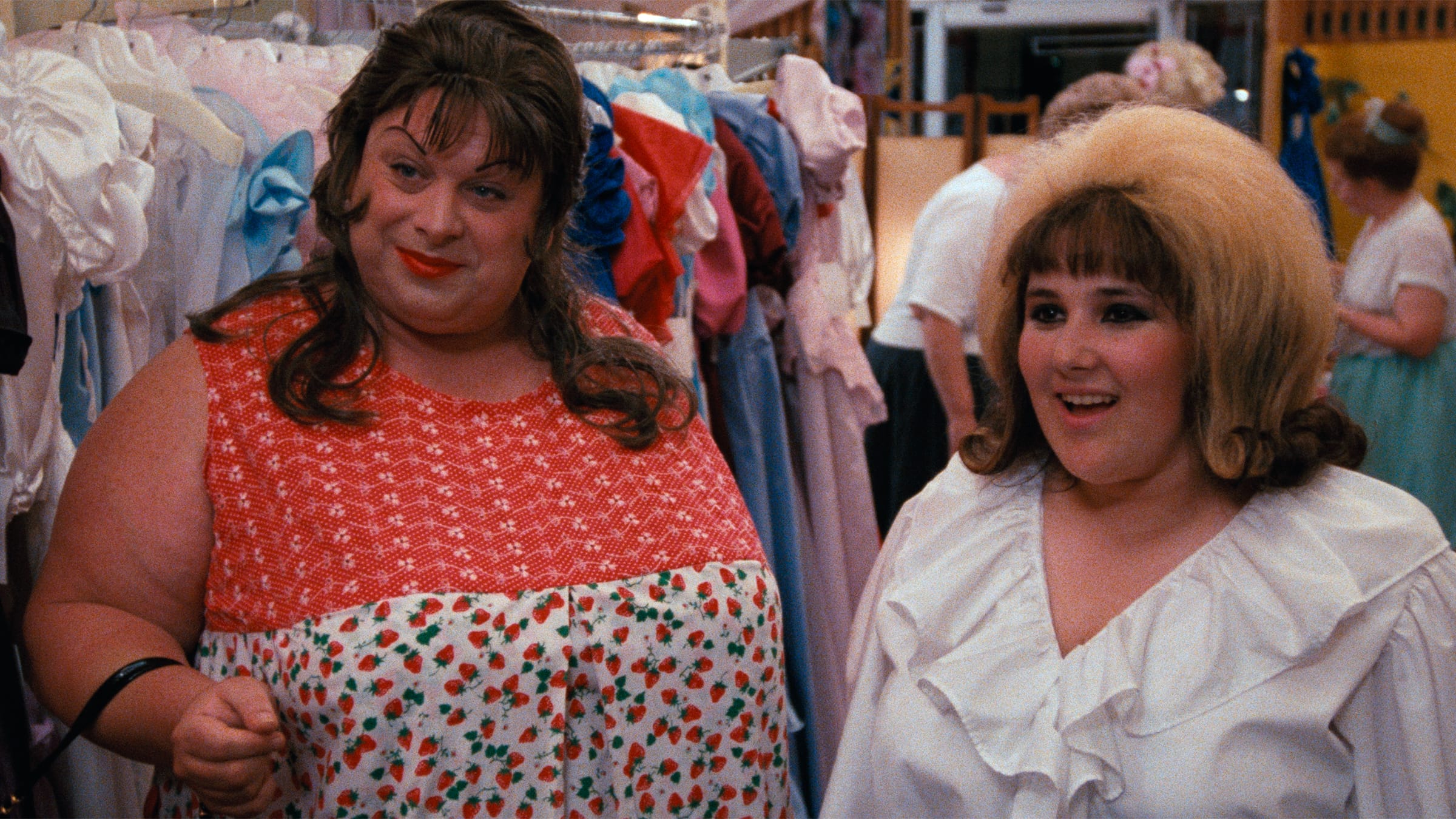
“Ozone Hole over Baltimore?” queries a panicky 1992 headline in the Baltimore Sun. Sure, as the article clarifies, the Maryland metropolis, eternal home base of trash icon John Waters, is no more vulnerable to ozone depletion than any other city in the Northern Hemisphere. But still, it’s fun to imagine the teenybopper hair-hoppers of Waters’ 1988 delight Hairspray contributing to an exactly Baltimore-shaped gap in the earth’s stratosphere, as with orgasmic abandon they deploy their cans of Aqua Net and Caryl Richards Just Wonderful during the opening credits. There is, after all, an analogy here: over the course of six gleefully lurid previous features—not a one with a lick of good taste, though a lot of other things get licked and worse—Waters had already poked several glory holes in whatever cultural membrane usually protects the decent from the dangerous and depraved.
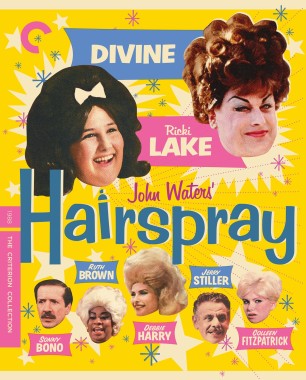
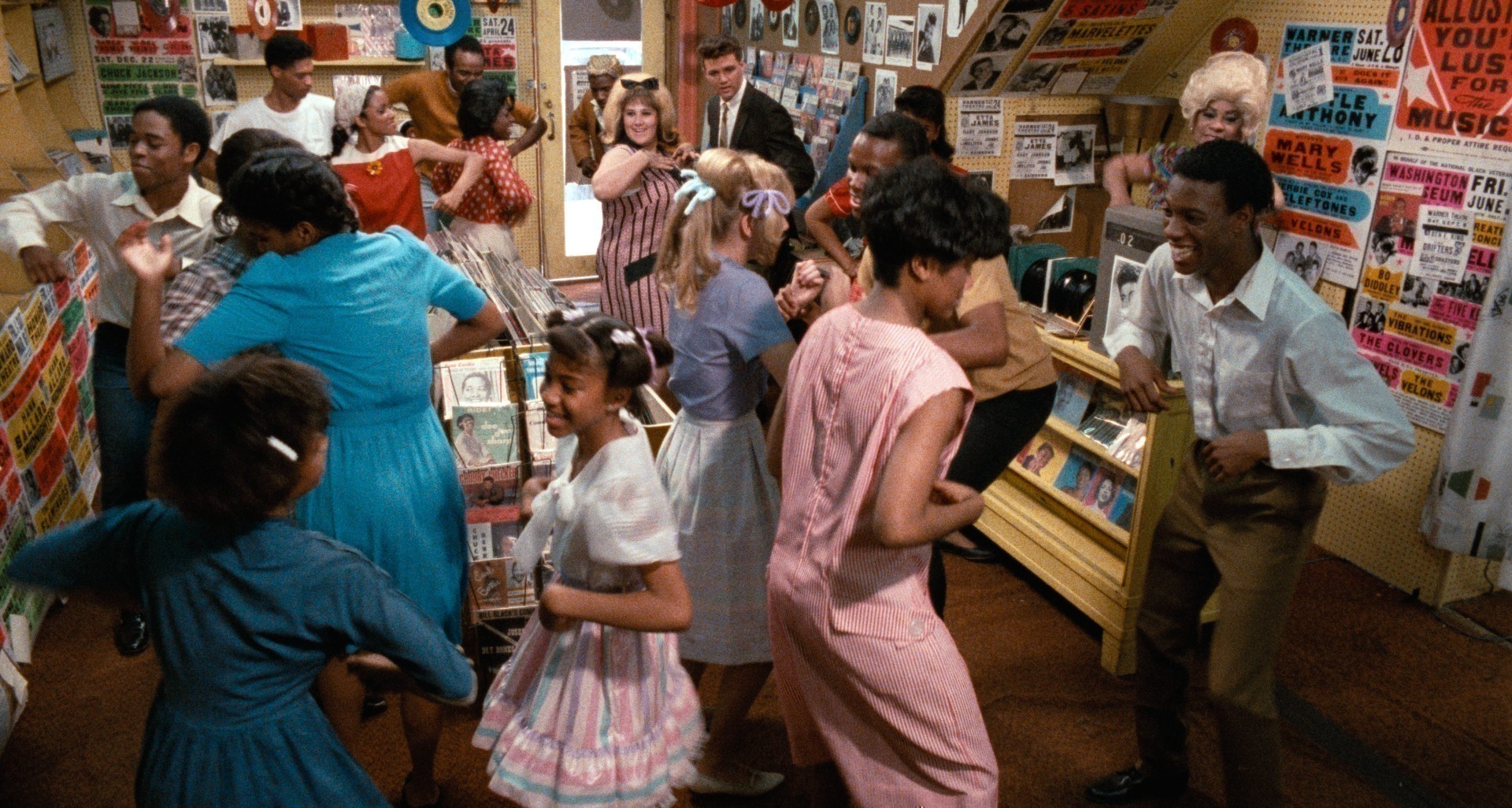
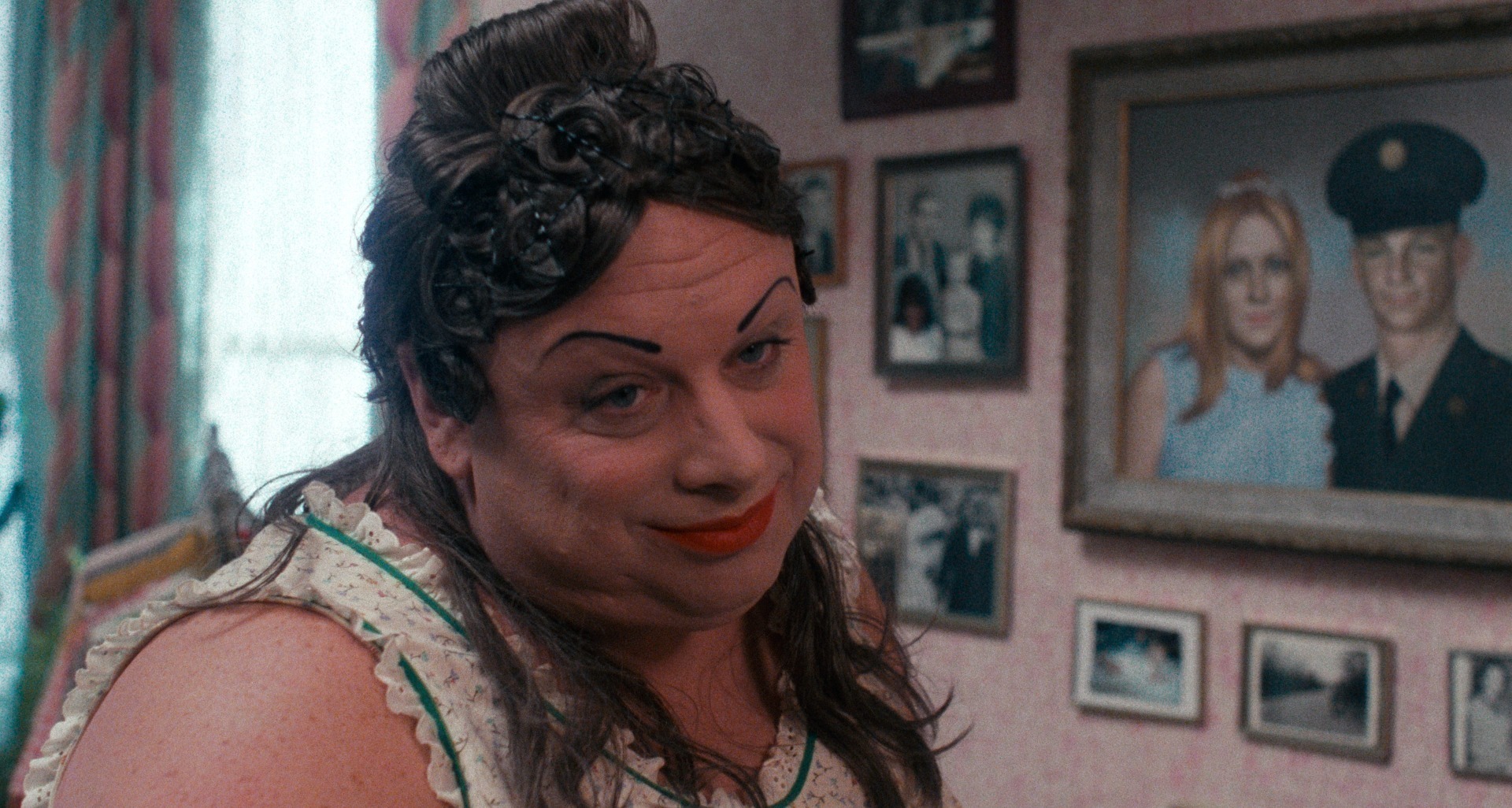
And then the majestically reprobate filmmaker behind Pink Flamingos (1972) and Female Trouble (1974) made Hairspray, his most ostensibly wholesome, nondeviant movie. “All you need is one really good idea. And, boy, a fat white girl fighting for racial integration was it!” he writes in his 2019 book, Mr. Know-It-All: The Tarnished Wisdom of a Filth Elder. It took twenty-one years to break even, he reports, but the first Waters movie with a seven-figure budget ($2.7 million, to be precise), the first to be period-set (it takes place in 1962), and the first (and still only) to earn a straight-up PG rating has become by far his most widely seen title. Then this “gift that keeps on giving,” as he calls it, spawned a hugely successful, Tony-winning musical that is to this day a staple of high-school drama production rosters the nation over and that itself was made into a 2007 film version (with Waters in a seal-of-approval cameo). And so it also became the project most responsible for the latter-day spit polish of Waters’ formerly proudly cruddy reputation. “Somehow I became respectable,” he writes ruefully at the start of Mr. Know-It-All. “What the hell has happened?” What happened was Hairspray.
More: Essays
Guillermo del Toro’s Frankenstein
In one of his most personal films, the Oscar-winning director imbues Mary Shelley’s gothic tale with elements of family melodrama and traces of his own Catholic upbringing.
God Laughs: Stanley Kubrick’s Cinema
Throughout his enormously influential body of work, the great director explored the conflict between humankind’s obsession with control and our capacity for error and failure.

Christiane F.: Up Against the Wall
Uli Edel’s harrowing tale of youth rebellion is one of cinema’s greatest Berlin films, a visceral urban portrait that captures the city’s doom and decadence during the Cold War era.
The Shout: Sound and Fury
Blending elements of psychological thriller, social satire, and psychedelic film, Jerzy Skolimowski’s Cannes-award-winning classic uses its audacious sound design to evoke the terror of English civilization.