LA Critics and Globe Nominations
Share
A little over a month ago, Sam Adler-Bell, cohost of the Know Your Enemy podcast, had an excellent piece in New York about the perplexing nature of political violence in America. Perpetrators in the 2020s tend to be “political normies; their outsider status is social.” These “addicts, criminals, loners, and gamers” are “a far cry from the white-nationalist militiamen or Marxist revolutionists who predominated previous eras of American political violence—closer to the profiles of school shooters than those of the Weather Underground.”
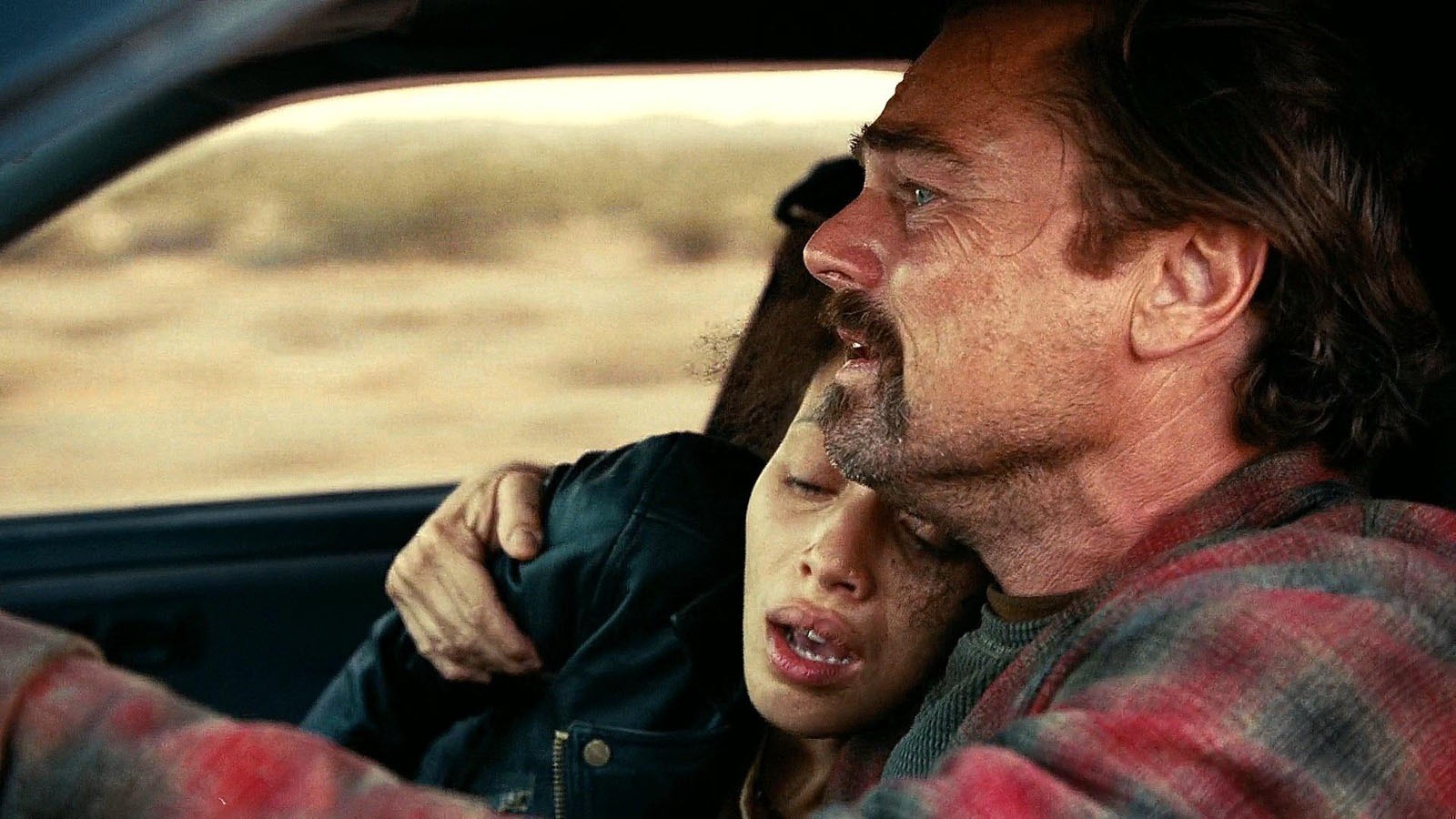
About midway through, Adler-Bell turns to Paul Thomas Anderson’s One Battle After Another, which opens with a raid on an immigrant detention center by the French 75, a militant band of revolutionaries. “It is Anderson’s curious fortune to have conjured a fantasy of the American left—organized, disciplined, judiciously violent—that exists, today, only in the fevered imaginations of the MAGA faithful and the impotent daydreams of online radicals,” writes Adler-Bell. “Once again, thanks to cinema, Americans are dreaming the same dream.”
One Battle’s awards-season run was off to a terrific start last week, and it hasn’t let up. PTA’s tenth feature now leads the Golden Globes nominations with nine, and the Los Angeles Film Critics Association has named it best picture of the year—and PTA best director. One Battle tops the lists from the editors of RogerEbert.com, the Atlantic’s David Sims, ScreenCrush’s Matt Singer, and Associated Press film writers Lindsey Bahr and Jake Coyle, and it comes in at #3 on Adam Nayman’s list at the Ringer. His #1 is It Was Just an Accident: “No movie this year feels more ferocious or forceful from beginning to end.” It’s up for four Golden Globes, has won an AFI Special Award, and Jafar Panahi has won the LAFCA award for Best Screenplay.
Scoring five Globe nominations each are Guillermo del Toro’s Frankenstein and Jon M. Chu’s Wicked: For Good, topped by Chloé Zhao’s Hamnet with six, Ryan Coogler’s Sinners with seven, and Joachim Trier’s Sentimental Value with eight. On the one hand, yes, it’s great to see these films “celebrated and, perhaps, discovered,” writes Glenn Whipp in the Los Angeles Times. At the same time, Whipp reminds us that just four years ago, the Globes were “hanging by a thread,” its ethical lapses exposed, its broadcast canceled.
The for-profit entity run by Penske Media Eldridge—a unit of Penske Media Corporation, the publisher of the industry’s trade publications—has restructured and instituted reforms, but the Globes “may well be worse than ever, crossing the line in ways that are more egregious than the shady maneuverings that put the awards on life support not so long ago,” writes Whipp, who maps out a feedback loop of hype and money. And if you’re wondering about the downright weird addition of a Best Podcast category, Whipp has an explanation for that as well.
The show, a more relaxed and often more fun affair than the Oscars, will go on, of course. Comedian Nikki Glaser will host the eighty-third edition on January 11, CBS will air it, and Paramount+ will stream it. Glaser should have plenty of material to work with. Paramount has launched a hostile takeover bid for Warner Bros. Discovery, aiming to thwart a deal Netflix hopes to seal to acquire the studio. Wherever Warner lands, Hollywood is, as Nicole Sperling puts it in the New York Times, “in the midst of a seismic reorganization.”
Don’t miss out on your Daily briefing! Subscribe to the RSS feed.