Getting It Done
Share
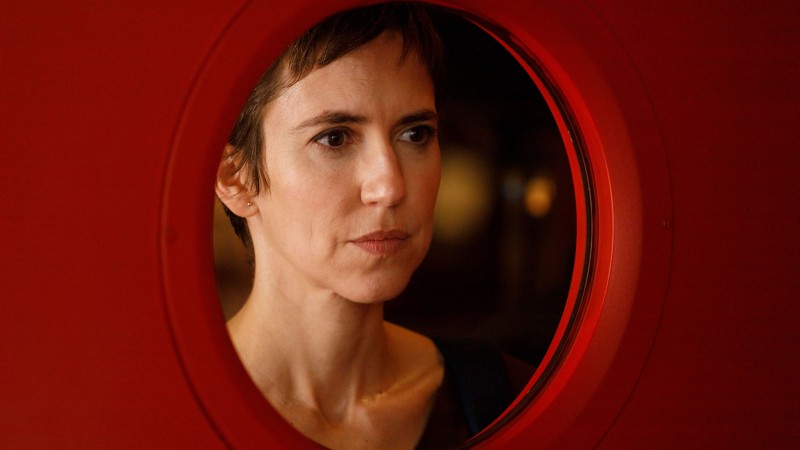
Following its premiere in Venice, Luca Guadagnino’s After the Hunt will open the sixty-third New York Film Festival (September 26 through October 13). Guadagnino is “one of the most versatile risk-takers working today,” says NYFF artistic director Dennis Lim, and After the Hunt—starring Julia Roberts, Ayo Edebiri, Michael Stuhlbarg, and Chloë Sevigny—is “something rare in contemporary cinema: a complex, grown-up movie with a lot on its mind that also happens to be a deeply satisfying piece of entertainment.”
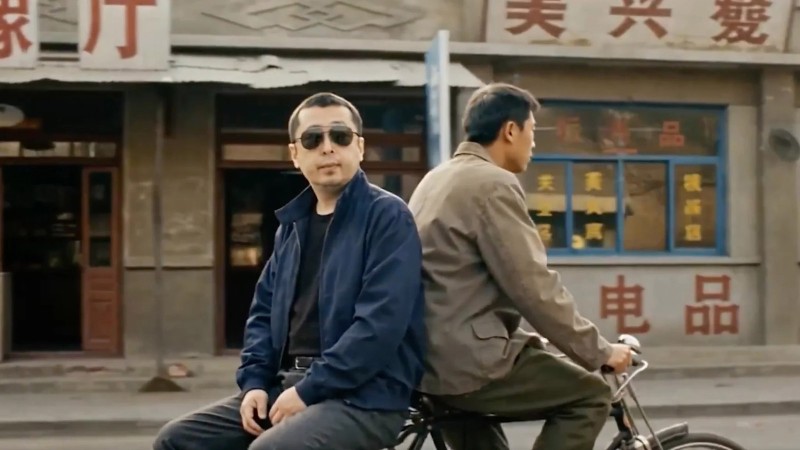
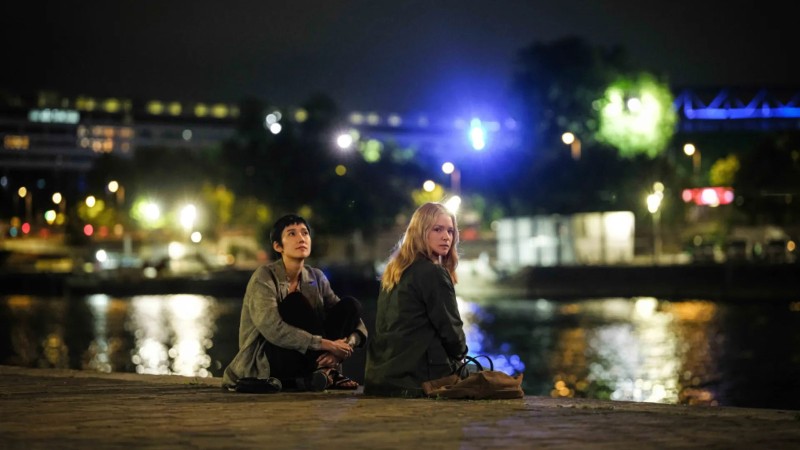
Lim calls the NYFF 2025 Centerpiece presentation, Father Mother Sister Brother, one of Jim Jarmusch’s “very best” films, adding that “it distills everything we have come to love and value about this singular filmmaker’s work into one glorious triptych. Father Mother Sister Brother is wise, generous, slyly funny, and enormously moving.”
In the latest news from Venice, the independently run Giornate degli Autori has announced the lineup for its twenty-second edition (August 27 through September 6). In the opening night film, Memory, Vladlena Sandu looks back on her childhood in war-torn Chechnya. Memory is one of ten films in competition hailing from around the world, and none of them are in English. Screening out of competition are Gianni Di Gregorio’s Damned If You Do, Damned If You Don’t, the closing night film, and Claire Simon’s Writing Life, a portrait of writer Annie Ernaux made up of readings of her work by French high school students.
This week’s highlights:
- The Theater of the Matters presents two texts to accompany the double bill it’s presenting on Saturday in New York, Nicholas Ray and Budd Schulberg’s Wind Across the Everglades (1958) and Víctor Erice’s Dream of Light (1992). “Possessing a gaze which pulsated with the cinematic feeling of some of the great masters of the silent era, crystallized within his experience in classical cinema,” wrote Erice in 1985, Ray “was probably the last of its most genuine representatives, and at the same time, one of the first models of modernity.” And in 1992, Shiguehiko Hasumi recalled a conversation with Erice in which the filmmaker outlined his vision for an unrealized project, a three-part film with Velázquez’s 1656 painting Las Meninas at its center.
- The Yale Review is running a delightful piece from its Summer 1988 issue in which Vincent Price looked back on his encounters with Greta Garbo, a few of them merely fleeting but one of them far less so. “I was smitten, and still am,” wrote Price. “Now it must be understood that this was no ordinary, youthful crush. This was a middle-aged man who might well have been ashamed of himself, but wasn’t and isn’t. She, the object, had almost disappeared. The studios had tried to kill her off with bad pictures, but she fooled them. She quit! . . . And at least one fan felt abandoned. One had looked to her art as a growing thing, a miracle, an inspiration to rise above one’s own stagnancy and mediocrity. There had been a Garbo, once upon a time, but now there was none.”
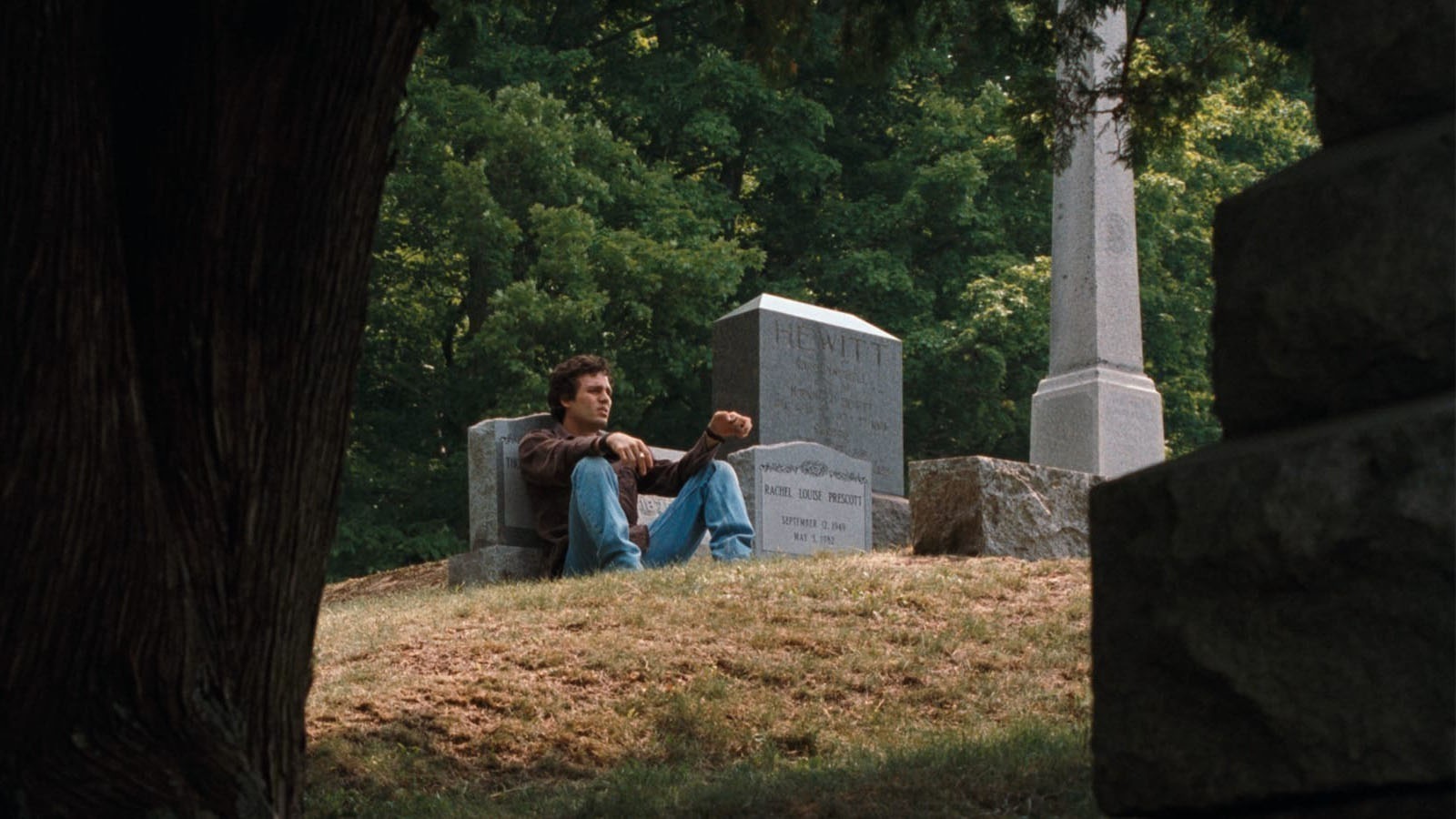
- The success of Manchester by the Sea (2016) set him on his back foot, but Kenneth Lonergan tells Letterboxd senior editor Mitchell Beaupre that he hopes to begin shooting his next film within the next six months. The occasion for the wide-ranging conversation is our release a new restoration of You Can Count on Me (2000), starring Laura Linney and Mark Ruffalo as a sister and brother reuniting after he’s been out of the picture for a while. Lonergan recalls giving them a complicated yet crucial scene “and they know what to do. You can point out little moments, and then they also provide moments in spades that you never thought of.” For Beaupre, Margaret (2011), “especially the extended cut, is for my money one of the ten greatest films ever made,” and Lonergan assures him that a proper release is on his to-do list.
- The new Senses of Cinema features articles on James Baldwin in Paris, the many Delphine Seyrigs in a 2001 installation by Chantal Akerman, Sofia Bohdanowicz’s body of work, Jack Kerouac’s writing and reading for Robert Frank and Alfred Leslie’s Pull My Daisy (1959), and political resistance in Yılmaz Güney’s Yol (1982) and Mohammad Rasoulof’s The Seed of the Sacred Fig (2024). Pedro Pinho (I Only Rest in the Storm) and Neo Sora (Happyend) are interviewed, and three names have been added to the journal’s collection of Great Directors profiles: Ousmane Sembène, Konrad Wolf, and Mrinal Sen.
- Among the highlights of Cinema Rediscovered, the festival running in Bristol through the weekend, are the fortieth-anniversary screenings of My Beautiful Laundrette, and for the Guardian, Ryan Gilbey has a fun chat with writer Hanif Kureishi and director Stephen Frears. Gilbey notes that the film “distilled and critiqued an entire political movement (Thatcherism), portrayed gay desire in unfashionably relaxed terms, and audaciously blended social realism with fable-like magic and cinematic grandeur.” Time Bandits (1981) screens tomorrow afternoon, and for the BFI, Lou Thomas gets Terry Gilliam talking about just about every film he’s had a hand in, including the one “I really want to get done before I kick the bucket.”
Don’t miss out on your Daily briefing! Subscribe to the RSS feed.