American Dream: The Time Is Right
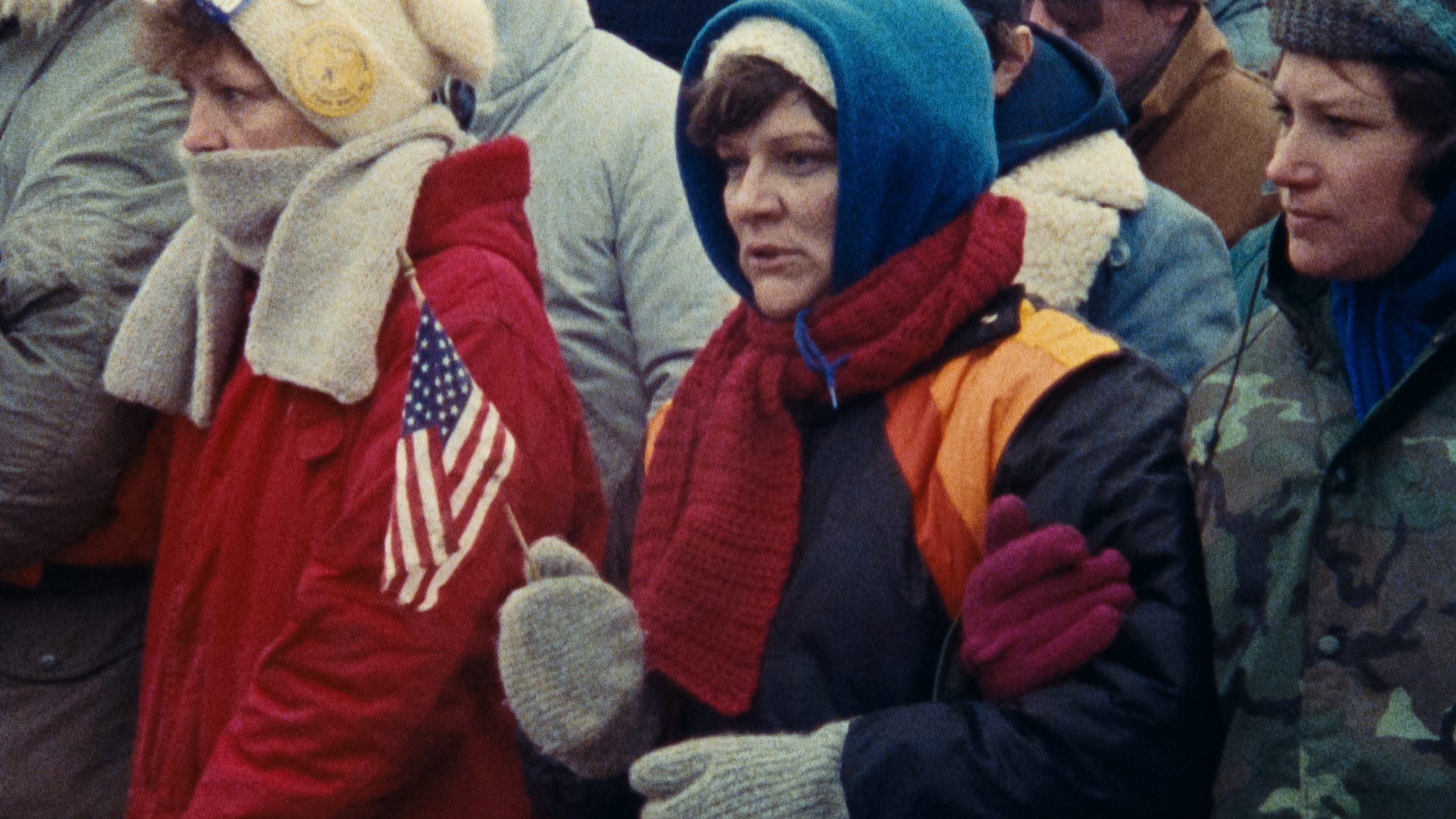
“American Dream was the hardest film I ever made,” Barbara Kopple recently told me. That’s saying a lot for the pioneering documentarian’s multidecade career, in which she’s taken on such subjects as war reporters, mental illness, gun control, and, most indelibly, labor struggles. Bear in mind, she had strikebreakers point guns at her while she made her first film, Harlan County USA (1976). For that documentary, Kopple, in her late twenties, chronicled Kentucky coal miners and their families in their 1973 strike against a power company. The miners held together through thirteen months of adversity and came out victorious. A decade later, when Kopple undertook American Dream, her second film, she was setting out to document a dispute whose stakes, along with the economic and political realities they played out against, were even more complex.
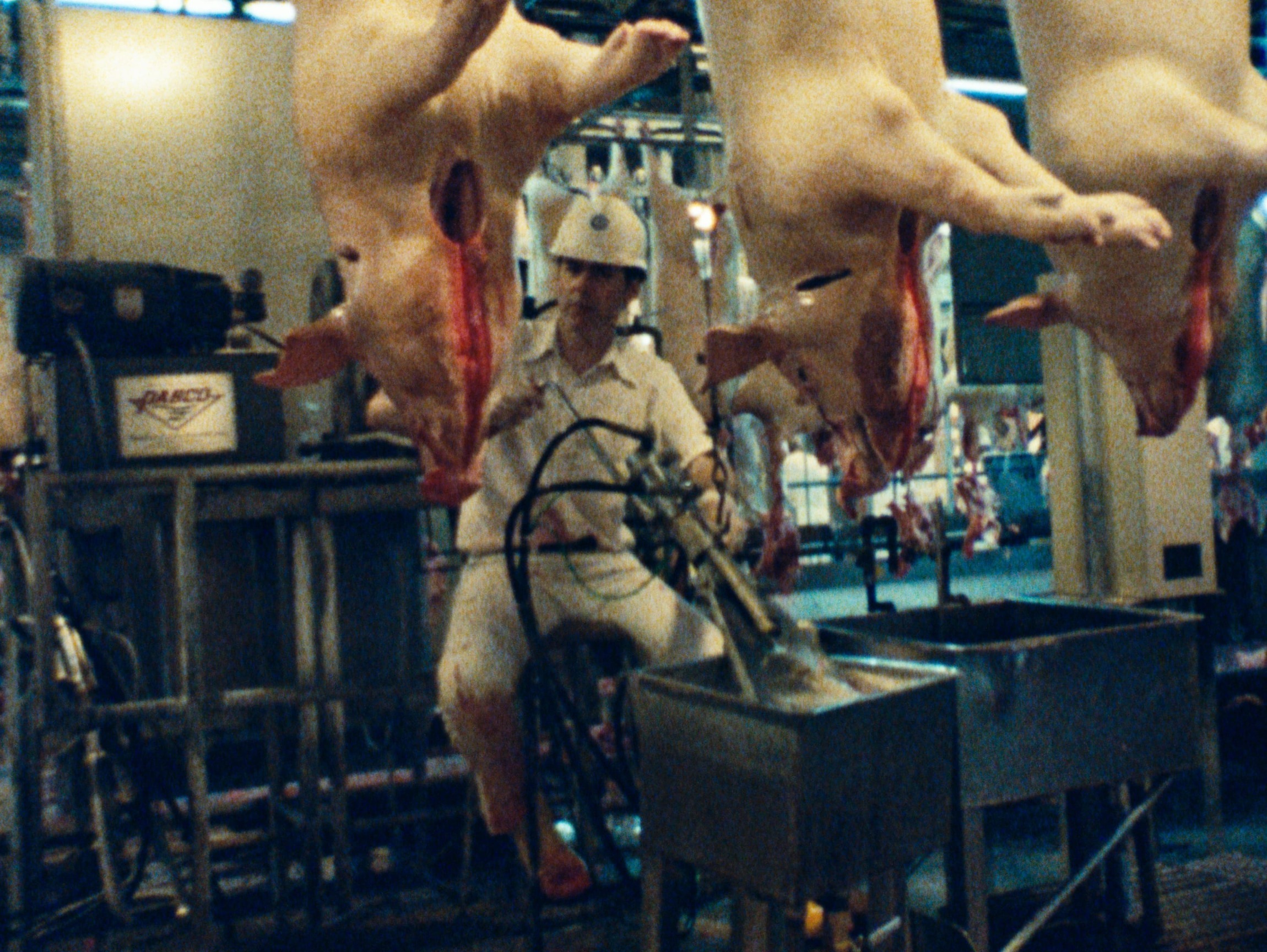
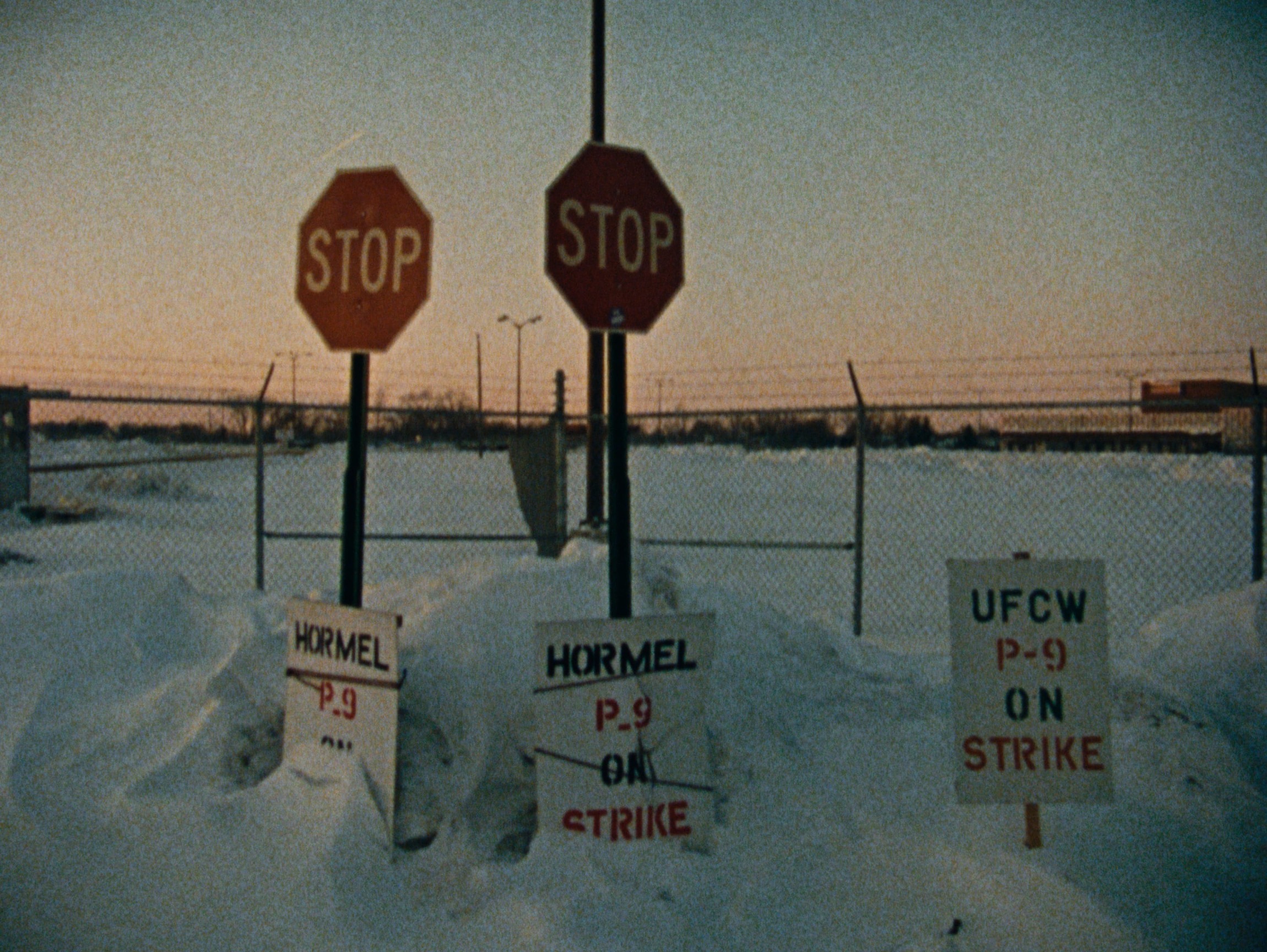
The film follows workers at a Hormel Foods meat-processing plant in Minnesota as they negotiate with management and then go on strike from 1985 to ’86. As she had for Harlan County, Kopple lived in the community during the production, and she served as her own sound recordist in a two-person crew, working alongside a 16 mm cinematographer. They were continuously cash-strapped, relying on grants and donations that trickled in. The harsh winter on the picket line was agonizing, and so were the stories unfolding on camera. We witness union members turn on one another as their convictions diverge, over whether to go on strike in the first place and, later, over whether to stay on strike or cross the picket line. Families and friendships are torn apart. While Harlan County is a case study in solidarity, American Dream captures the anguish and perils of disunity.
Like Harlan County, the film debuted at the New York Film Festival and went on to win the Academy Award for Best Documentary Feature. But otherwise the two had different trajectories. Harlan County USA had played in theaters across the country, becoming a breakthrough success for documentaries at the time. After premiering in 1990, American Dream saw a more limited release in 1992. In the decades since, Kopple has noted, Harlan County USA was more frequently sought for retrospective screenings. But as I write this in May 2026, American Dream has been restored and rereleased, and new audiences are experiencing it as a revelation. It lands amid fresh upheavals in the labor market against the backdrop of the gig economy, wholesale corporate embrace of AI technology, and ever-widening disparities in wealth.

More: Essays

Guillermo del Toro’s Frankenstein
In one of his most personal films, the Oscar-winning director imbues Mary Shelley’s gothic tale with elements of family melodrama and traces of his own Catholic upbringing.
God Laughs: Stanley Kubrick’s Cinema
Throughout his enormously influential body of work, the great director explored the conflict between humankind’s obsession with control and our capacity for error and failure.

Christiane F.: Up Against the Wall
Uli Edel’s harrowing tale of youth rebellion is one of cinema’s greatest Berlin films, a visceral urban portrait that captures the city’s doom and decadence during the Cold War era.
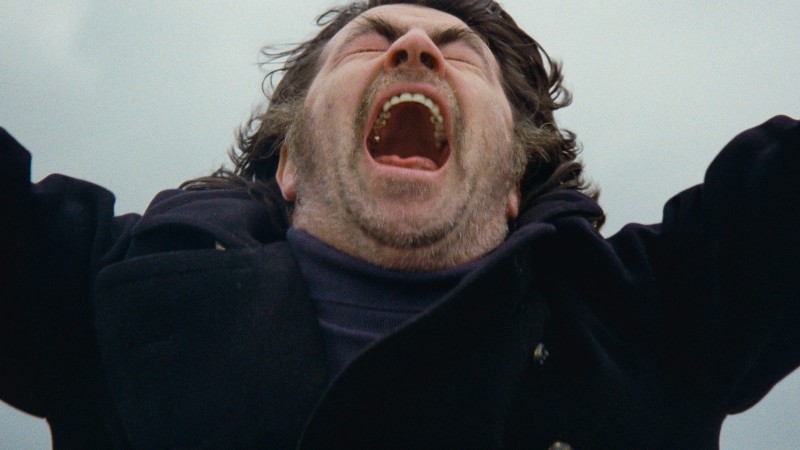
The Shout: Sound and Fury
Blending elements of psychological thriller, social satire, and psychedelic film, Jerzy Skolimowski’s Cannes-award-winning classic uses its audacious sound design to evoke the terror of English civilization.