Christiane F.: Up Against the Wall
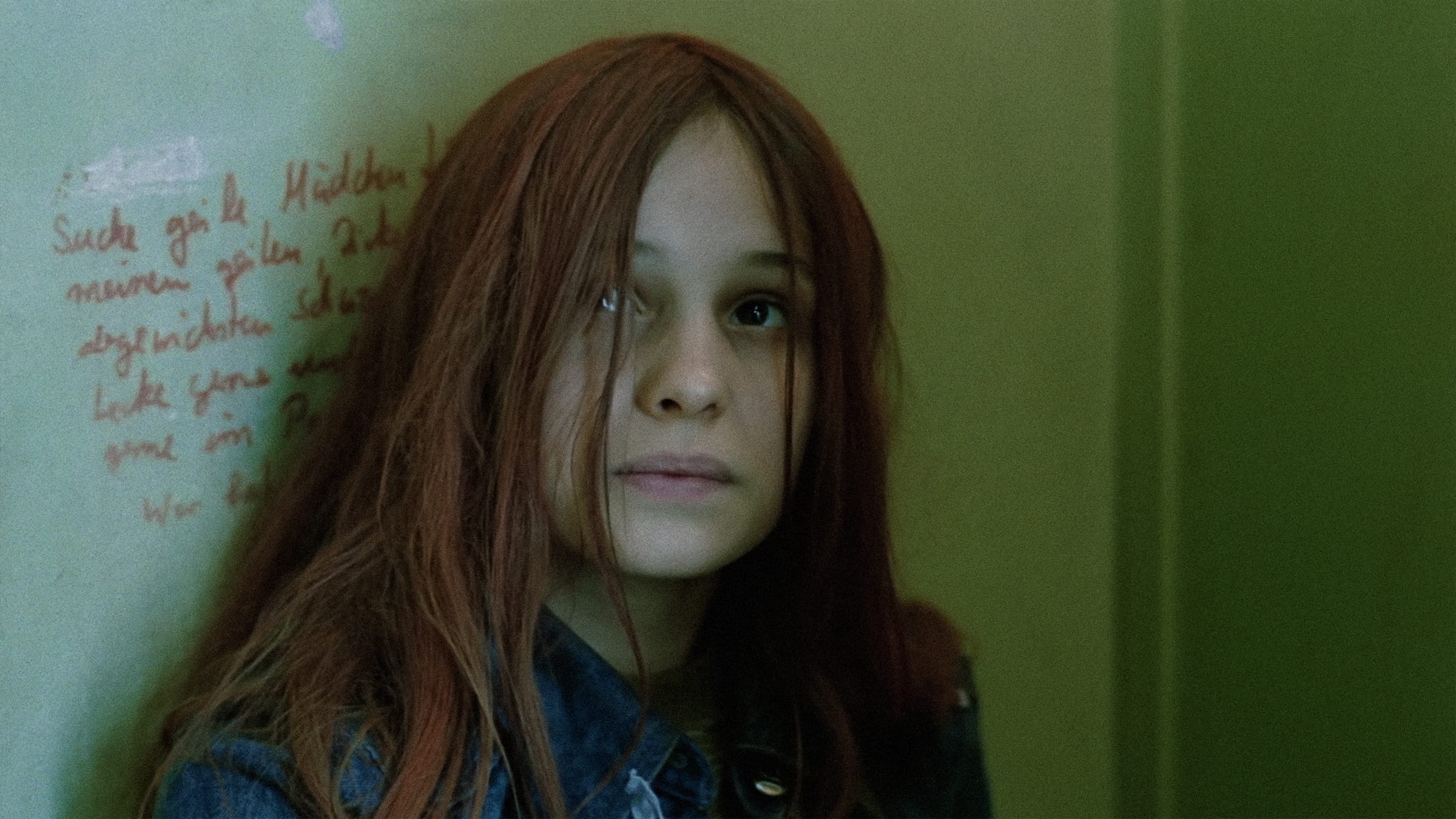
One of the great Berlin films, Uli Edel’s Christiane F. (1981) is also one of the grungiest. Based on the true story of teenage heroin user and sex worker Christiane Felscherinow and shot on location in and around West Berlin’s notorious Zoo Station, the film captures both the magnetic fascination of the divided city and its tarnished atmosphere of decadence and doom. Christiane F. interlaces raw scenes of youth rebellion with harrowing depictions of drug addiction in an indelible mix that has captivated audiences, stymied censors, and left an enduring aesthetic imprint on popular culture.
Although we never catch a glimpse of the Berlin Wall in Christiane F., the film reflects West Berlin’s exceptional status as a city on the front lines of the Cold War. Known for the insular ambience forged from its geographical location as a western outpost in the Eastern Bloc, the city derived its postwar allure as much from its association with Weimar-era culture as from the material conditions, including rent stabilization and wage subsidies, that enabled the experiments in art and living—both luminous and disconsolate—taking place there.
The claustrophobia of West Berlin, and the attendant urge of its denizens to escape into excess, figure prominently from the first frames of Christiane F. A slow pan to a close-up introduces the film’s eponymous protagonist, who recounts in voice-over the squalid conditions of the high-rise apartment buildings in the Gropiusstadt, the housing estate where she has lived since she was six. Bearing the name of its architect, Bauhaus founder Walter Gropius, the satellite city was developed from 1962 to 1975 in order to create affordable housing in the district of Neukölln, along the perimeter of the wall, an area whose open vistas would allow for light-filled and airy modern residences.
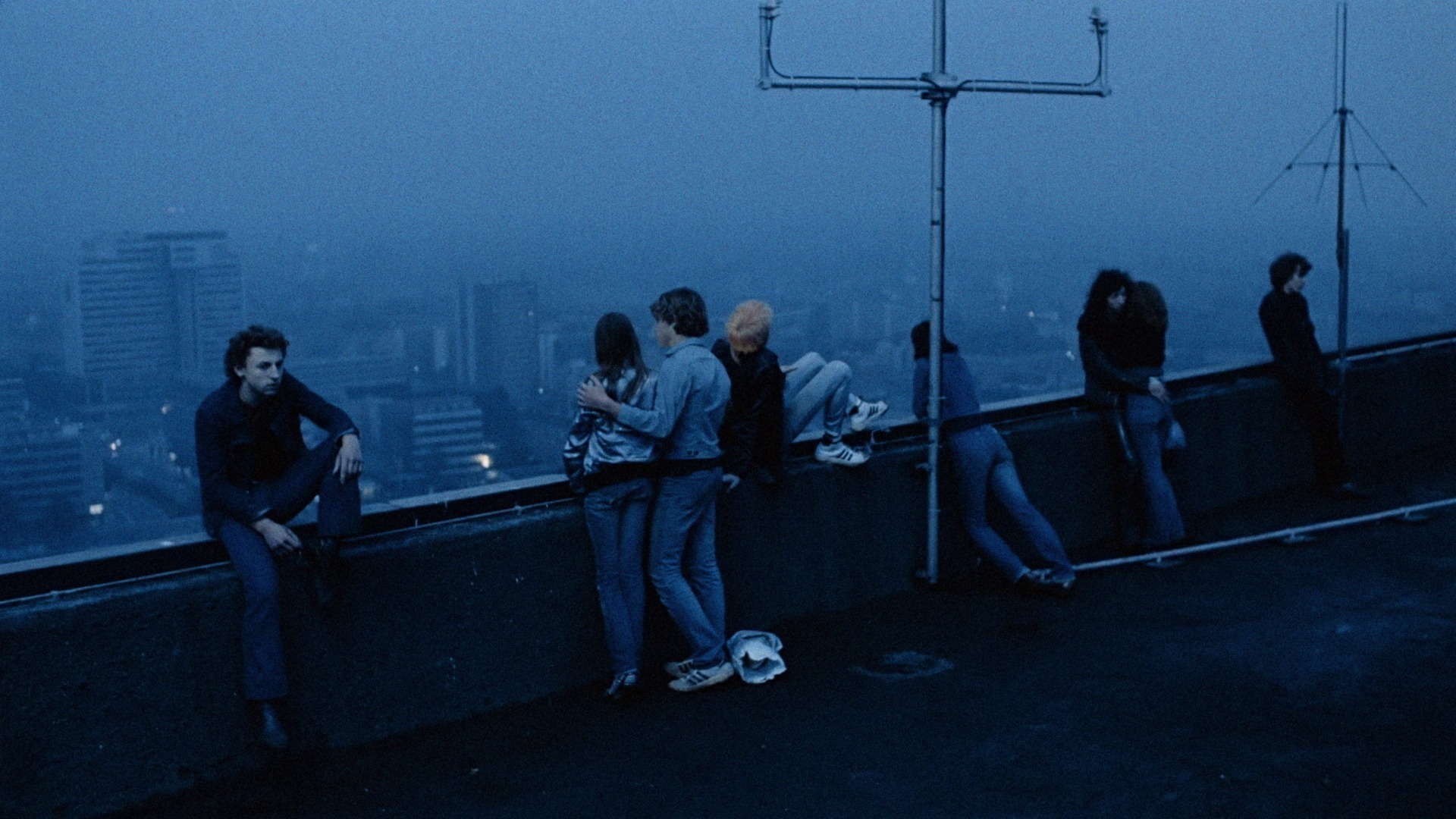
But as Christiane describes it in the very first sentence of her voice-over, by the time the complex was completed it had already become a flash point for the social neglect that is on full view in Edel’s film: “Nothing but piss and crap everywhere. You just have to look closely.” A shot of the project’s narrow, low-ceilinged corridors allows us to do just that: before Christiane appears, we see an anonymous kid skateboarding into view, bathed in the film’s signature cold blue fluorescent light, which reveals the building’s dank, fetid floors and peeling paint. When Christiane exits the high-rise, her gaze lands on a poster for Sound, “Europe’s most modern disco,” whose logo of lusciously painted lips rhymes with her own rose-colored mouth in the film’s opening close-up of her face, underscoring the disco’s lure for Christiane, whose voice-over concludes with the words: “I want to go there.”

More: Essays
The Shout: Sound and Fury
Blending elements of psychological thriller, social satire, and psychedelic film, Jerzy Skolimowski’s Cannes-award-winning classic uses its audacious sound design to evoke the terror of English civilization.
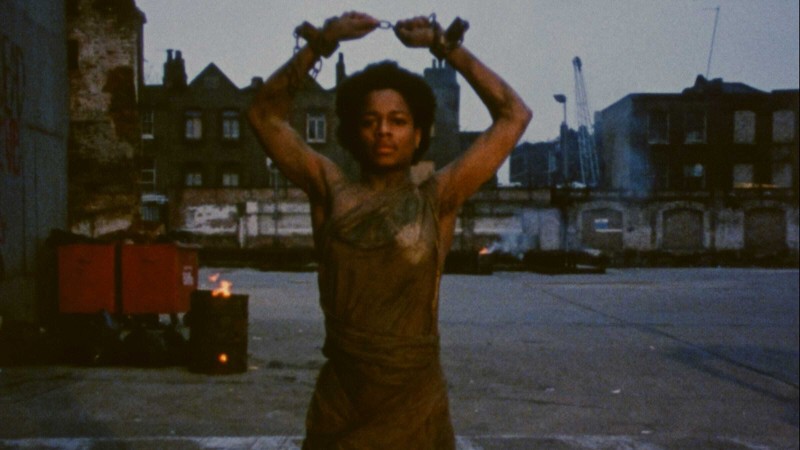
Welcome II the Terrordome: The Future Is Furious
A dystopian drama that draws on the influences of African mythology and hip-hop, Ngozi Onwurah’s debut feature uses a mix of speculative forms to expose anti-Blackness as a system that underpins the modern world.
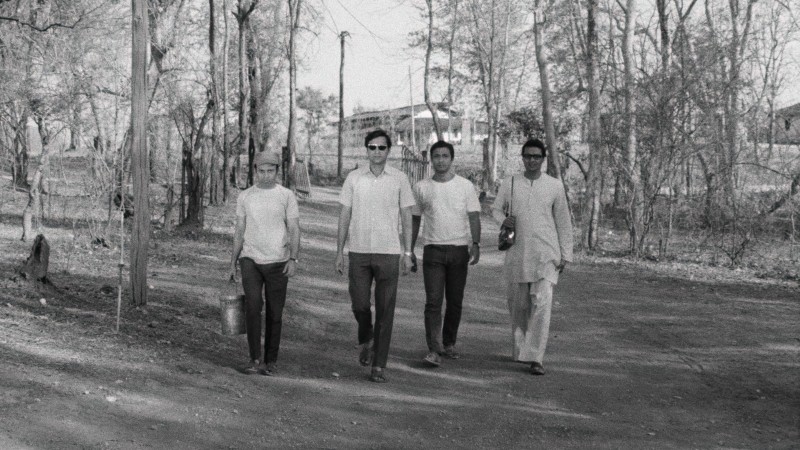
Days and Nights in the Forest: Into the Woods
In this tale of four privileged bachelors who embark on a trip to the Indian countryside, Satyajit Ray balances a biting critique of masculine fragility with splendid visual grace.
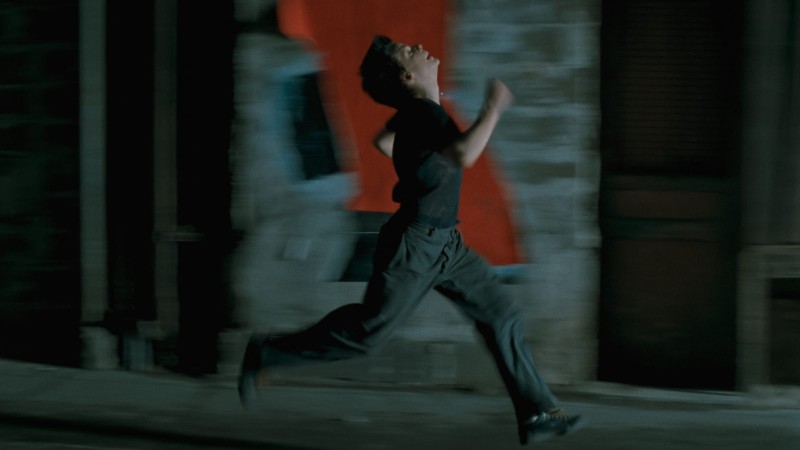
Three Films by Leos Carax: Vital Signs
With their mix of comedy, ecstasy, and aesthetic strangeness, the French auteur’s first three features grant us access to psychic states that we might not otherwise be able to enter.