
The Silence of the Lambs: Reckoning with Jame Gumb
Share
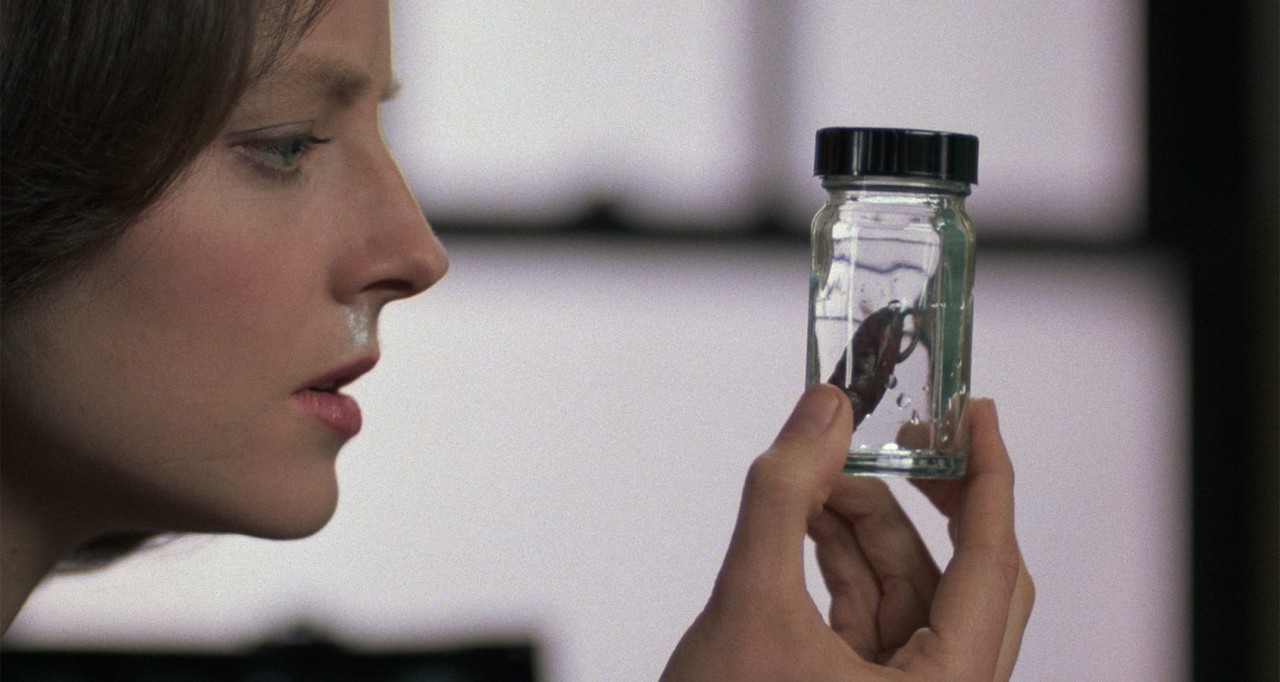
The figure of Buffalo Bill in The Silence of the Lambs (1991) is the single most culturally influential and dominant trans film image to date. The character, whose given name is Jame Gumb, is the primary example in a specific category of Hollywood horror invention with which late-twentieth-century trans viewers would become intimately familiar: grotesque transfeminine figures who personify society’s latent transphobia in the form of monstrous serial killers. As both great and harmful cinema, The Silence of the Lambs has a complicated legacy that cannot be taken lightly. In the closing moments of the film, director Jonathan Demme evokes Frankenstein’s monster and alludes to a societal failure to empathize with the other. He gives the transfeminine monstrosity a moment of grace through the shot of Jame’s corpse with a twisting butterfly chime. A transformation has occurred, and in the language of the horror genre, there is dignity in this gesture of caring for a monster. And even though one abhors the actions of a character like Jame, there is a strange resonance in the relatable cultural transmisogyny that links the character to our own history.
More: Features
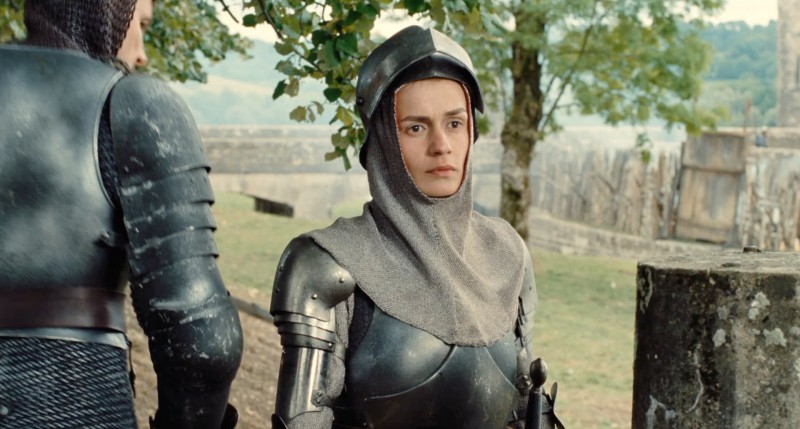
Jacques Rivette Envisions a More Human Joan of Arc
Anchored by an extraordinary performance from Sandrine Bonnaire, the epic historical drama Joan the Maid strips away its saintly protagonist’s mythic aura and gives us a humbler, more intimate version of her life story.
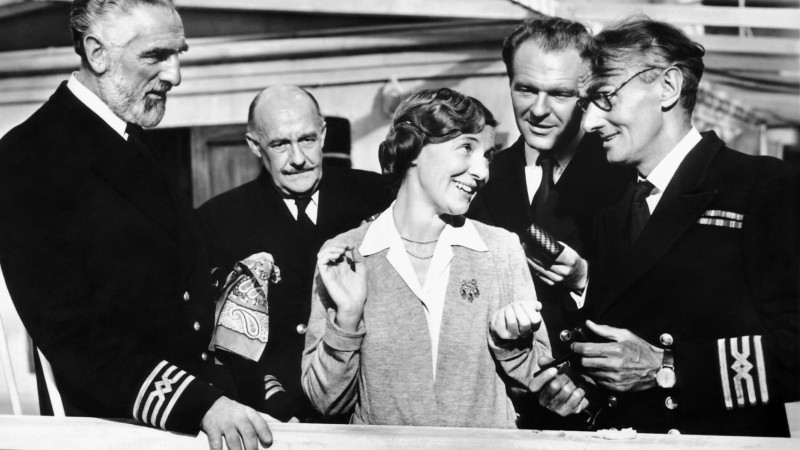
Anthologized: The World of W. Somerset Maugham On-Screen
The elegantly crafted portmanteau films Quartet, Trio, and Encore adapt twelve spellbinding tales of deception and passion from one of the best-selling authors of the twentieth century.

The Inner Worlds of Neon Genesis Evangelion
A Japanese-television phenomenon that sparked a boom in anime production and fandom, Hideaki Anno’s magnum opus is a mind-bending mix of kinetic action, sci-fi spectacle, and introspective human drama.
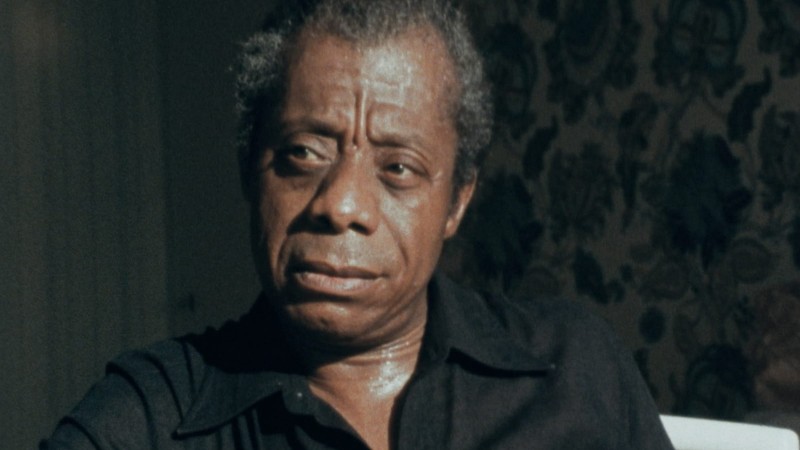
James Baldwin Looks Back
The illuminating 1982 documentary I Heard It Through the Grapevine follows the celebrated author on a journey through the American South, as he attempts to reckon with the legacy and losses of the civil rights movement.