Anthologized: The World of W. Somerset Maugham On-Screen

Since the silent era, filmmakers and audiences have been drawn to a form that has been variously known as the omnibus film, the anthology film, the sketch film, and—my preferred term, for its image of a big bag with jumbled-up contents—the portmanteau. Despite the appeal of these multi-episode works, some viewers have objected to what Jonathan Rosenbaum calls their “invariably uneven” quality—an accusation that, he points out, could be made against any short-story collection ever published. On the other hand, those who gravitate to portmanteau films see their unevenness as a possible advantage; if you didn’t enjoy the last thirty minutes, you may like the next half-hour much better. Over the years, directors as varied as Roger Vadim, Woody Allen, and Quentin Tarantino have contributed to this mini-genre, experimenting with short lengths that wouldn’t fly for a standalone release, and extending a rich tradition that dates back to the early years of cinema.
The portmanteau became increasingly popular in the 1940s on both sides of the Atlantic, with filmmakers using the structure to riff on a single motif or subject. The form gained a foothold in the United States with two films by Julien Duvivier: Tales of Manhattan (1942), punningly titled for the tailcoat that links the episodes as it changes hands, and Flesh and Fantasy (1943), where the stories are connected by their supernatural themes. Also released around the same time were Forever and a Day (1943), made by seven different directors to support the British war effort, and Dead of Night (1945), a suite of interlocking horror stories that remains one of the best anthology movies ever made.



More: Features
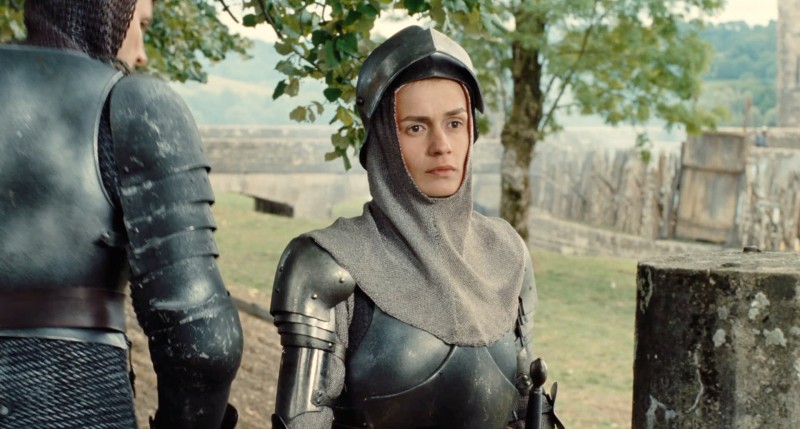
Jacques Rivette Envisions a More Human Joan of Arc
Anchored by an extraordinary performance from Sandrine Bonnaire, the epic historical drama Joan the Maid strips away its saintly protagonist’s mythic aura and gives us a humbler, more intimate version of her life story.

The Inner Worlds of Neon Genesis Evangelion
A Japanese-television phenomenon that sparked a boom in anime production and fandom, Hideaki Anno’s magnum opus is a mind-bending mix of kinetic action, sci-fi spectacle, and introspective human drama.

James Baldwin Looks Back
The illuminating 1982 documentary I Heard It Through the Grapevine follows the celebrated author on a journey through the American South, as he attempts to reckon with the legacy and losses of the civil rights movement.

Small Town, Big Money: Capitalism Runs Amok in Turumba
In Kidlat Tahimik’s playful and unpredictable film, a Philippine village is tasked with manufacturing thousands of figurines for the Olympic Games, upending the lives and customs of the local population.