Coup de torchon: “All Crimes Are Collective”
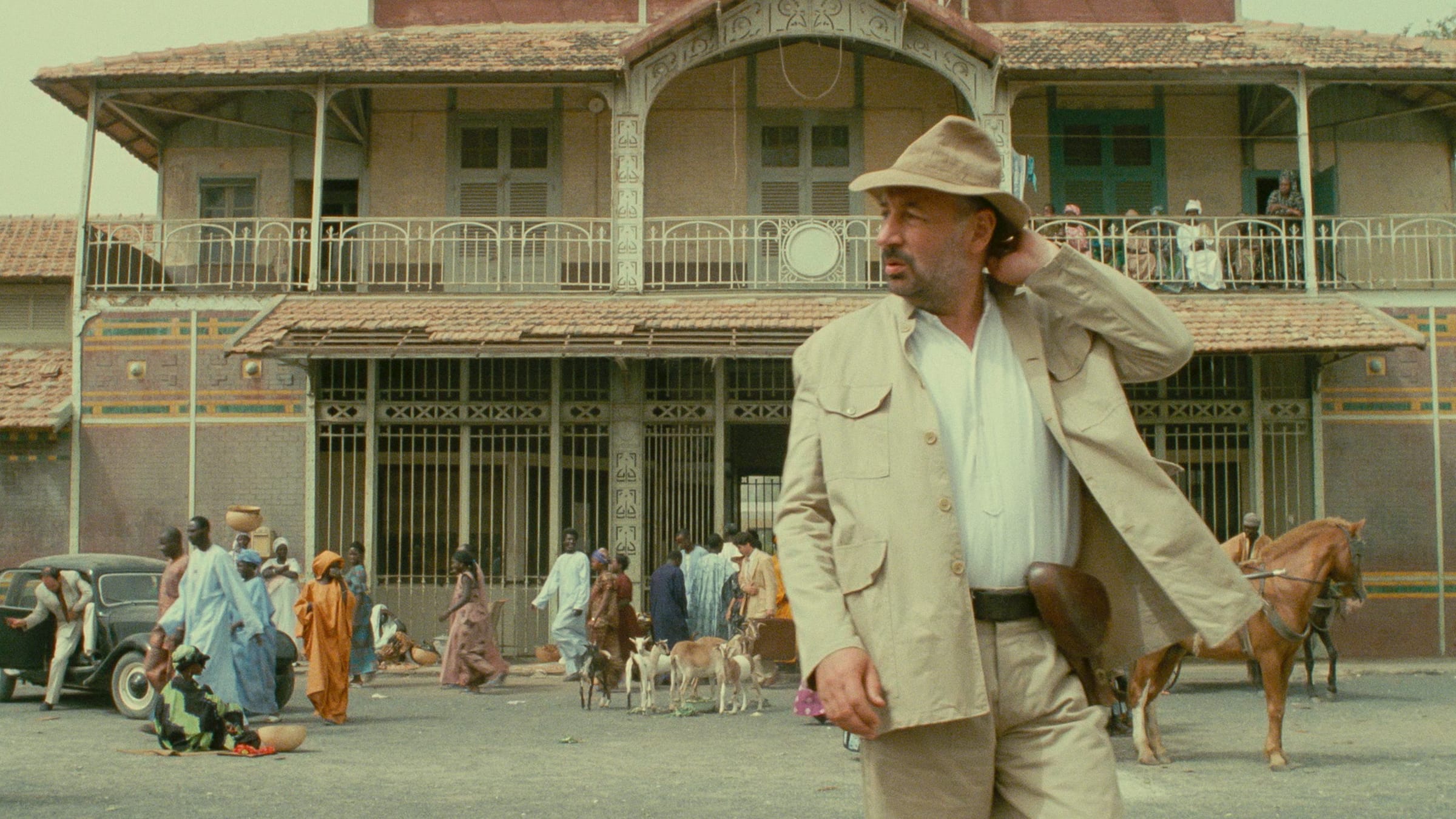
The leading light in the generation of French filmmakers who launched their careers in the 1970s in the wake of the nouvelle vague, Bertrand Tavernier was born in Lyon in 1941. His father—a publisher, a poet, and an important figure in the local “intellectual Resistance” during the German occupation—encouraged his son to study law, but young Bertrand’s heart was with the cinema. Beginning in 1974, he would sign more than two dozen feature-length films, from historical dramas to socially engaged documentaries, from science fiction to intimate family portraits, and from a neo-western to a political satire adapted from a comic strip. A renowned gastronomic capital, Lyon is also the birthplace of cinema; its inventors, Louis and Auguste Lumière, made many of their first moving pictures there. Tavernier would lobby for the preservation of the Lumière homestead as the Institut Lumière (founded in 1982), over which he presided until his death in 2021. In addition to his extraordinarily diverse and engaging filmography, Tavernier will be remembered for his work as a film historian—he compiled and narrated a collection of Lumière films and authored a massive tome on American cinema—and for the tireless and generous support he extended to his fellow cinema professionals.
But it was well before all that, nine years before directing his first feature film, that Tavernier discovered Jim Thompson’s novel Pop. 1280 and knew he wanted to adapt it for the screen. In the intervening decade, he worked as a film critic, as a publicist and press agent (for Jean-Luc Godard and John Ford, among others), and briefly as assistant director for Jean-Pierre Melville. With those experiences, plus several shorts and six acclaimed features, under his belt, he finally returned to Thompson’s novel. Coup de torchon (Clean Slate) was released in 1981.
In his native United States, Thompson was long considered a pulp novelist, whereas in France, he has been appreciated for his dark vision and his modernist aesthetic. Published in 1964, during the civil rights movement, Pop. 1280 paints a merciless portrait of petty bickering and casual racism in a Texas town. Like other Thompson protagonists, Pop. 1280’s Nick Corey carries a hidden “sickness” that manifests itself in violence. Thompson’s feral antiheroes remain compelling because their individual slide into perdition, seen from the inside, is understood as a collective and social, even a cosmic, fate. They are trapped inside their lucidity, helpless to change the course of history. Stanley Kubrick, for whose Paths of Glory (1957) Thompson cowrote the screenplay, said of another Thompson novel, The Killer Inside Me, that it was “probably the most chilling and believable first-person story of a criminally warped mind I have ever encountered,” a remark that describes Pop. 1280 just as well. Tavernier was drawn to the challenge of filming a novel that both Thompson and filmmaker Alain Corneau had declared, after their failed joint attempt, impossible to adapt.


More: Essays
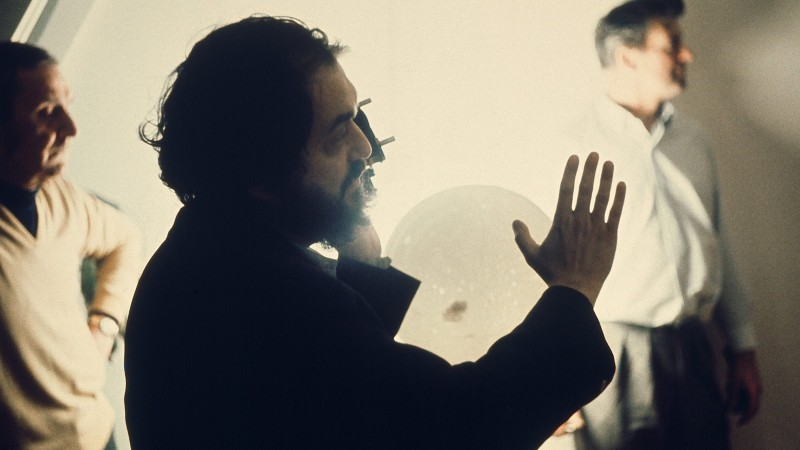
God Laughs: Stanley Kubrick’s Cinema
Throughout his enormously influential body of work, the great director explored the conflict between humankind’s obsession with control and our capacity for error and failure.
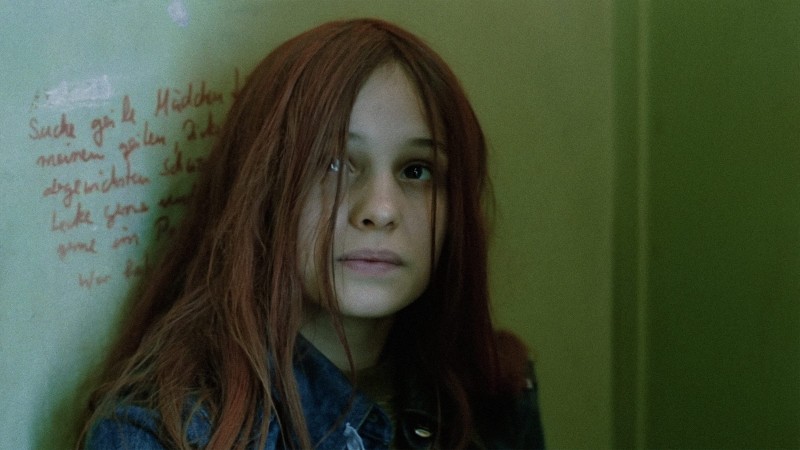
Christiane F.: Up Against the Wall
Uli Edel’s harrowing tale of youth rebellion is one of cinema’s greatest Berlin films, a visceral urban portrait that captures the city’s doom and decadence during the Cold War era.
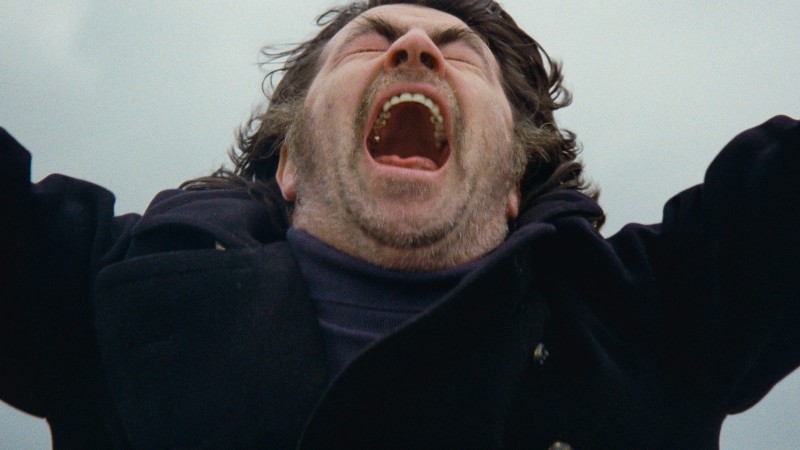
The Shout: Sound and Fury
Blending elements of psychological thriller, social satire, and psychedelic film, Jerzy Skolimowski’s Cannes-award-winning classic uses its audacious sound design to evoke the terror of English civilization.
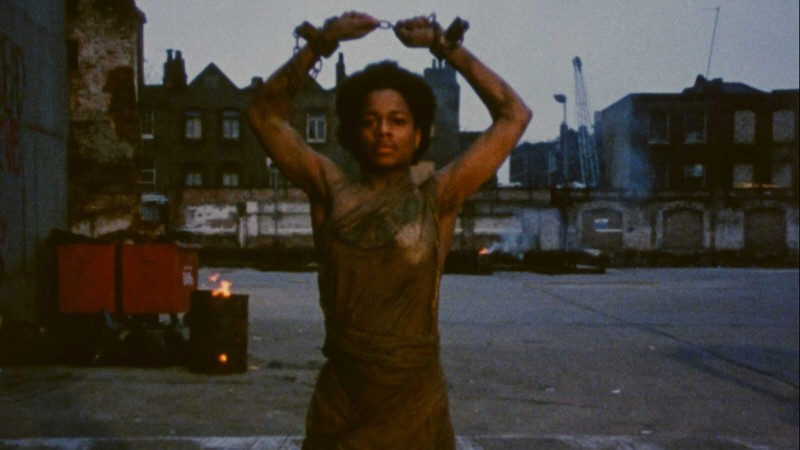
Welcome II the Terrordome: The Future Is Furious
A dystopian drama that draws on the influences of African mythology and hip-hop, Ngozi Onwurah’s debut feature uses a mix of speculative forms to expose anti-Blackness as a system that underpins the modern world.