It Was Just an Accident: The Humanity of Doubt

The distinction between social and political cinema is not always clear. The former category, which focuses on realistic portrayals of the everyday lives and struggles of the working class, generally includes the films of Italian neorealism and British social realism, as well as the first generation of the Iranian New Wave (the early films of Abbas Kiarostami and Amir Naderi, for example). The depictions of similar social struggles become more political in the Czechoslovak New Wave, Latin American Third Cinema, and the second generation of the Iranian New Wave (Asghar Farhadi, Jafar Panahi), by filmmakers who found themselves in the role of mediators between growing civil political awareness and the repressive impositions of a ruling class. Nonetheless, the social and the political are inseparable in both of these cinematic modes, reflecting the way the lines between what is social and what is political can blur in societies that are undergoing or emerging from revolutions, wars, and regime collapses.
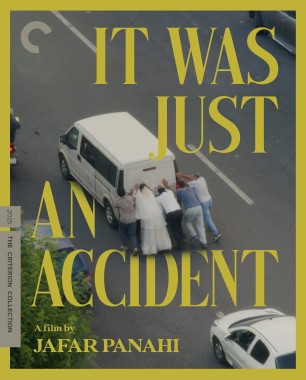
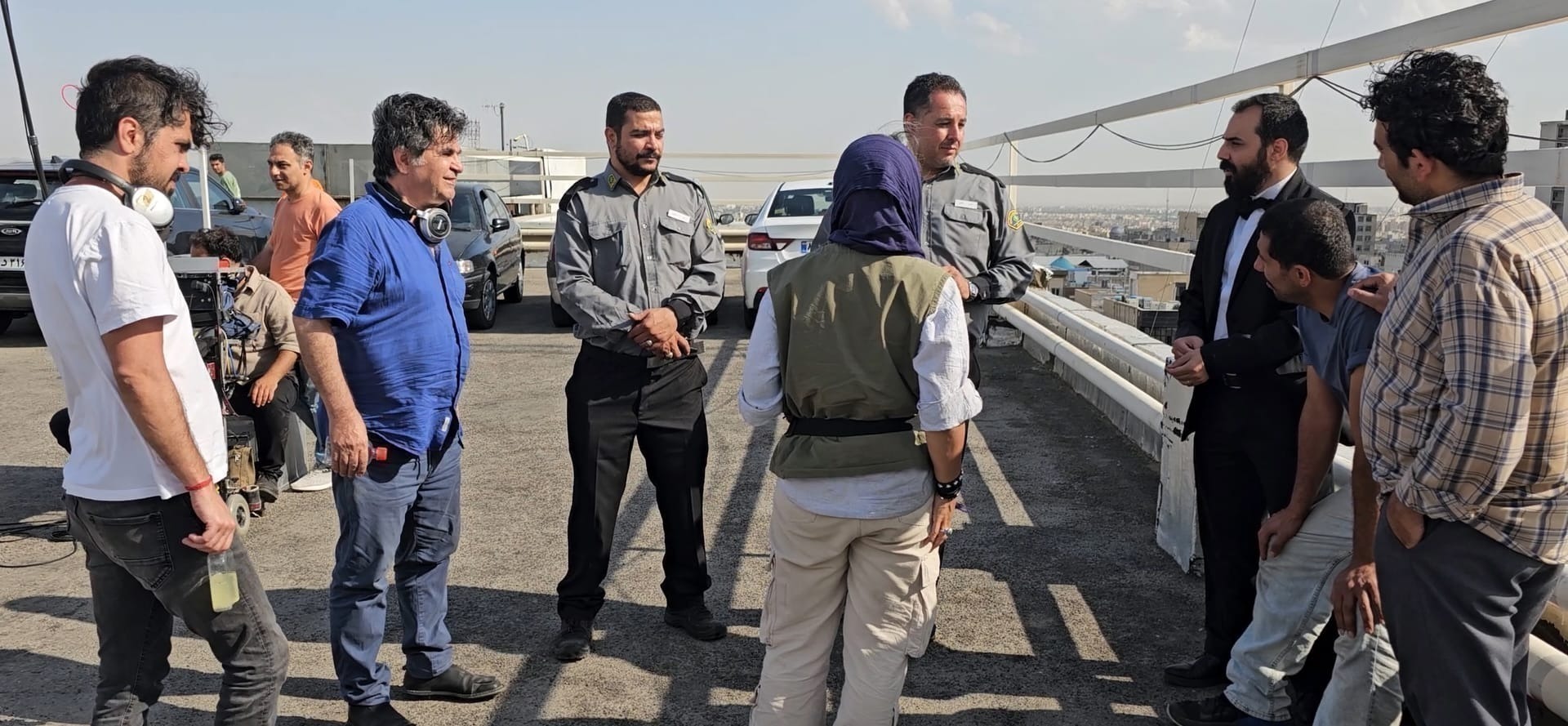
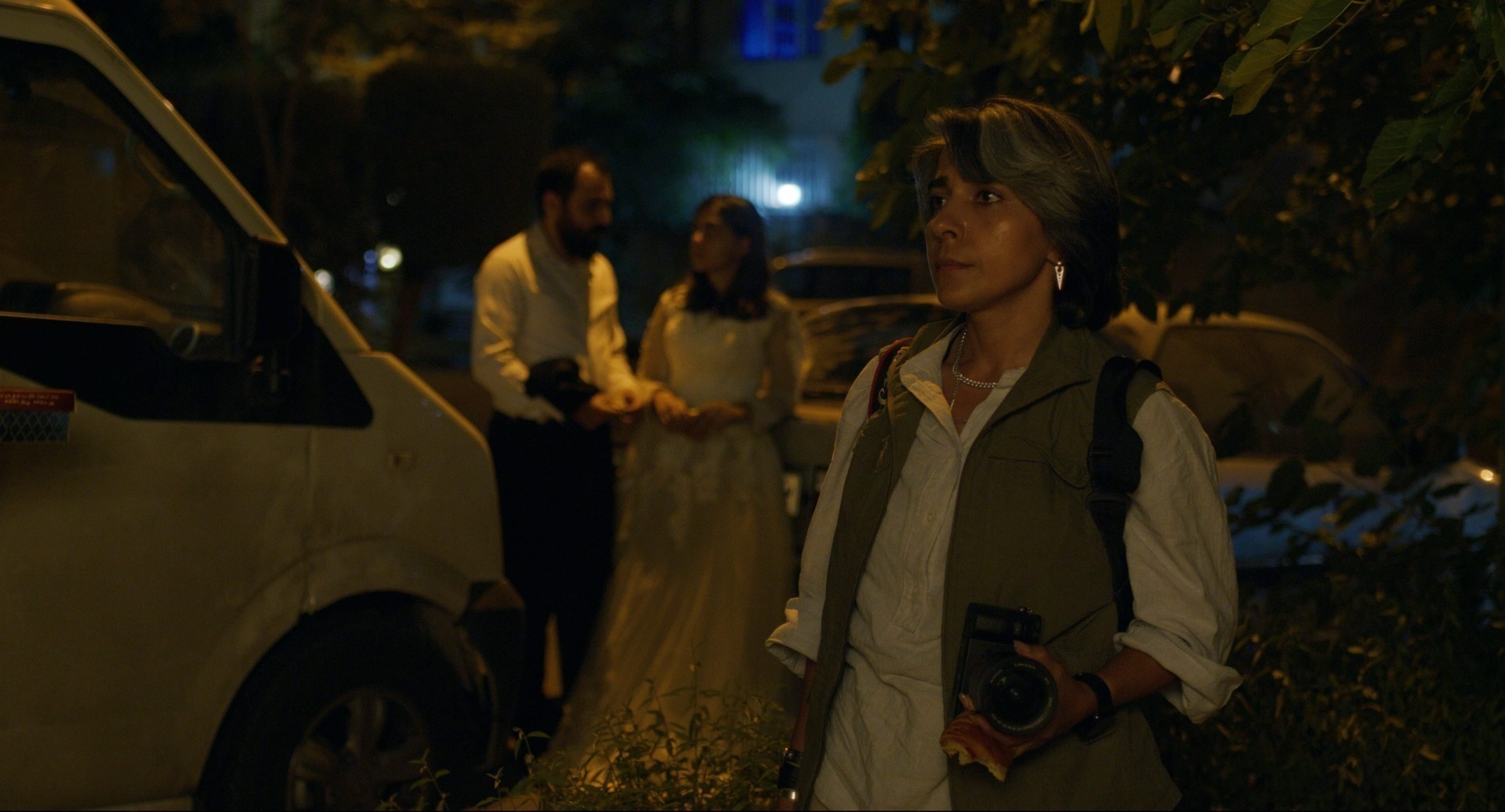
A socially engaged film with a political topic, It Was Just an Accident (2025) is Panahi’s eleventh feature, and his sixth made clandestinely in Iran. It’s based on his two experiences as a prisoner of conscience in Iran, in 2010 and 2022–23, which included solitary confinement, hunger strikes, and interrogation sessions. The film was shot in just twenty-five days, following the end of a twenty-year sentence that banned the director from filmmaking, writing, giving interviews, and traveling abroad. Still, Panahi adamantly identifies as a socially engaged filmmaker, not a political one. In authoritarian states, which benefit from blurring the boundaries between the social and the political as a form of control over plurality and dissent, artists tend to emphasize the distinction between the two, seeking to lay claim to their civil rights without being accused of political radicalism. Both this civilian tendency to detach the social from the political and the state’s attempts to conflate them are symptomatic of the power imbalances found in corrupt justice systems and collapsing legal and social orders. In a sense, this film is taking part in a tradition of cinema—from Andrzej Wajda’s Ashes and Diamonds to Martin Scorsese’s Taxi Driver, Jacques Audiard’s A Prophet, and Asghar Farhadi’s The Salesman—that depicts individual efforts to correct such power imbalances as vigilantism. Unlike most revenge thrillers, however, including Panahi’s own Crimson Gold (2003), It Was Just an Accident is also about the vigilante’s search for a way to settle with their doubt.
More: Essays
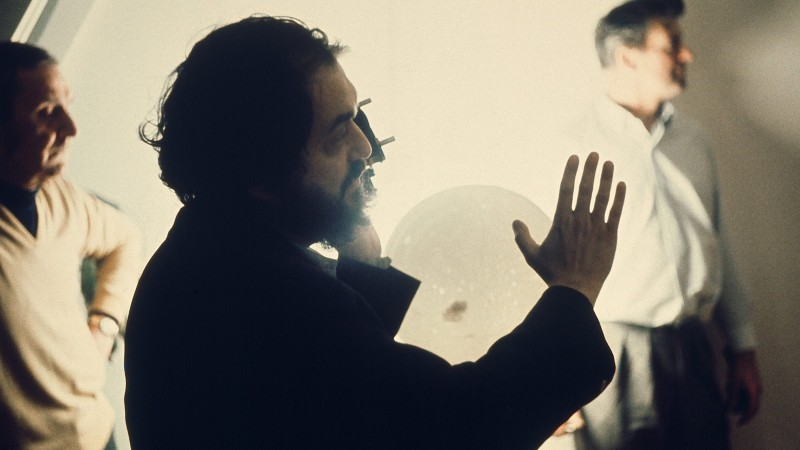
God Laughs: Stanley Kubrick’s Cinema
Throughout his enormously influential body of work, the great director explored the conflict between humankind’s obsession with control and our capacity for error and failure.
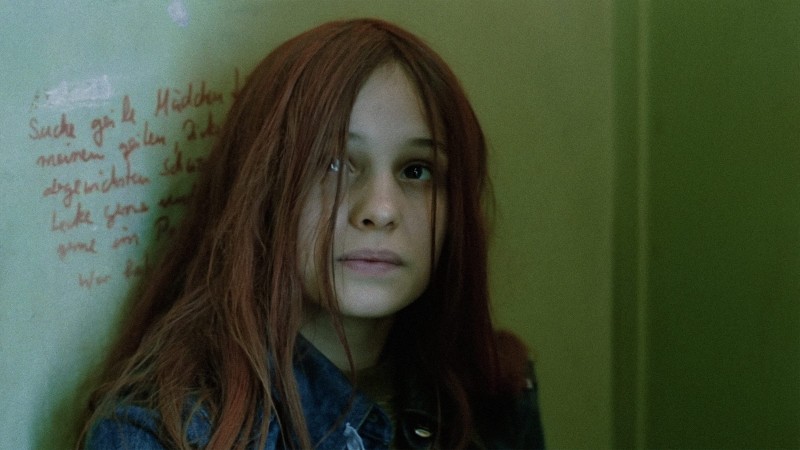
Christiane F.: Up Against the Wall
Uli Edel’s harrowing tale of youth rebellion is one of cinema’s greatest Berlin films, a visceral urban portrait that captures the city’s doom and decadence during the Cold War era.
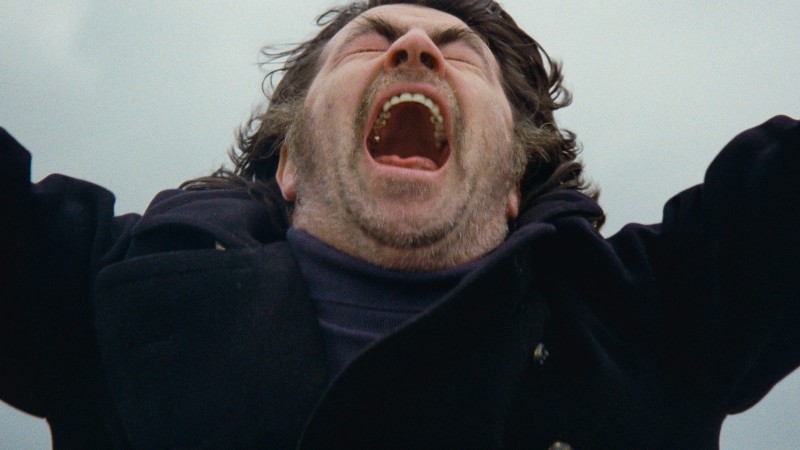
The Shout: Sound and Fury
Blending elements of psychological thriller, social satire, and psychedelic film, Jerzy Skolimowski’s Cannes-award-winning classic uses its audacious sound design to evoke the terror of English civilization.
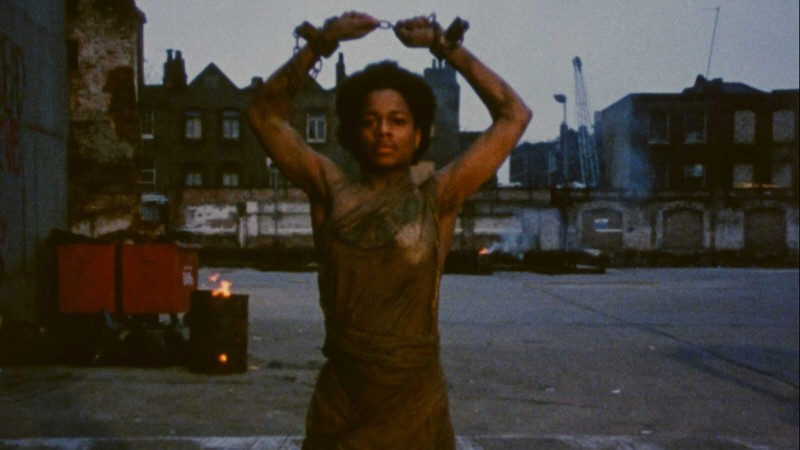
Welcome II the Terrordome: The Future Is Furious
A dystopian drama that draws on the influences of African mythology and hip-hop, Ngozi Onwurah’s debut feature uses a mix of speculative forms to expose anti-Blackness as a system that underpins the modern world.