Testament: In the Twilight
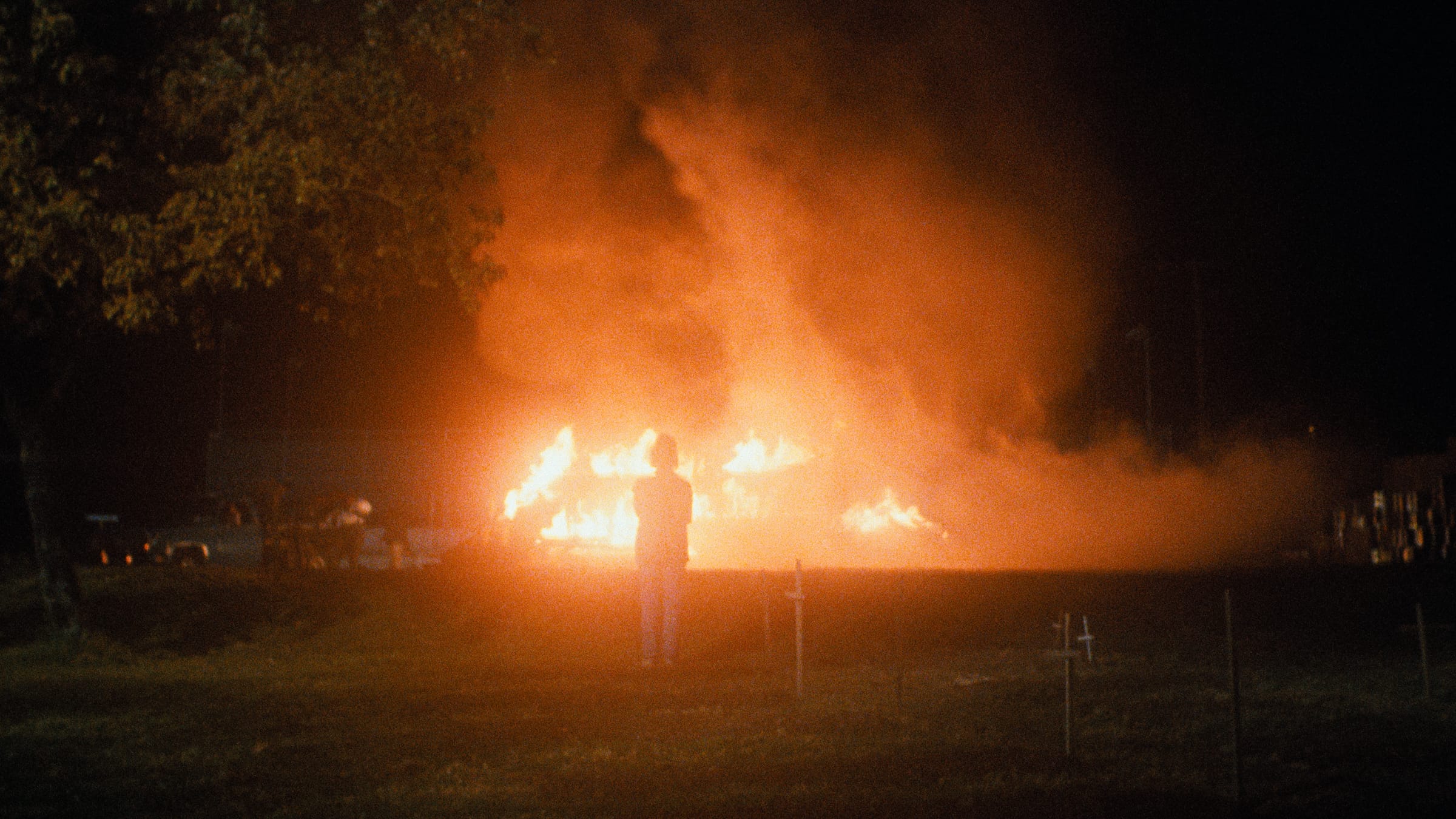
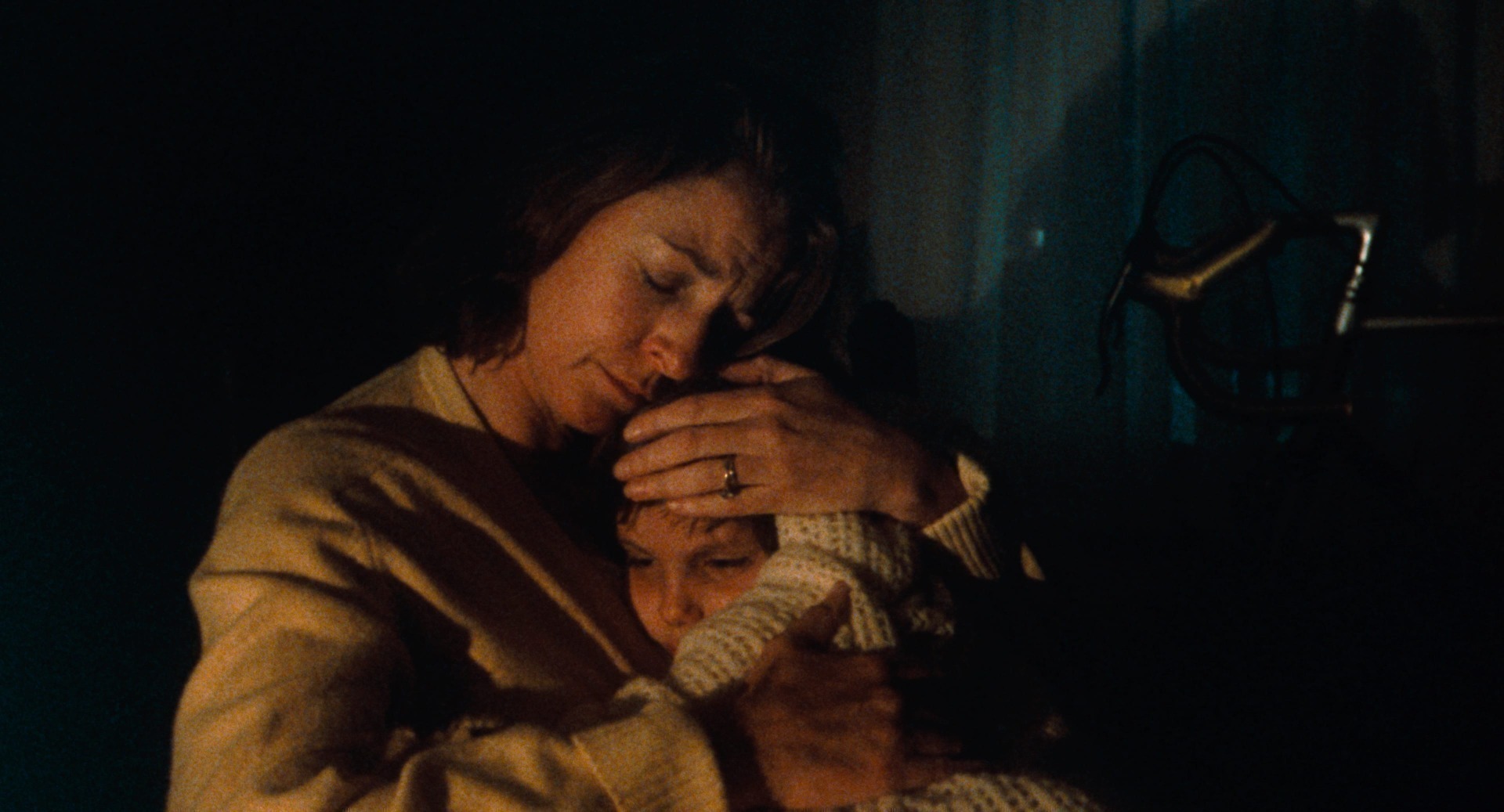
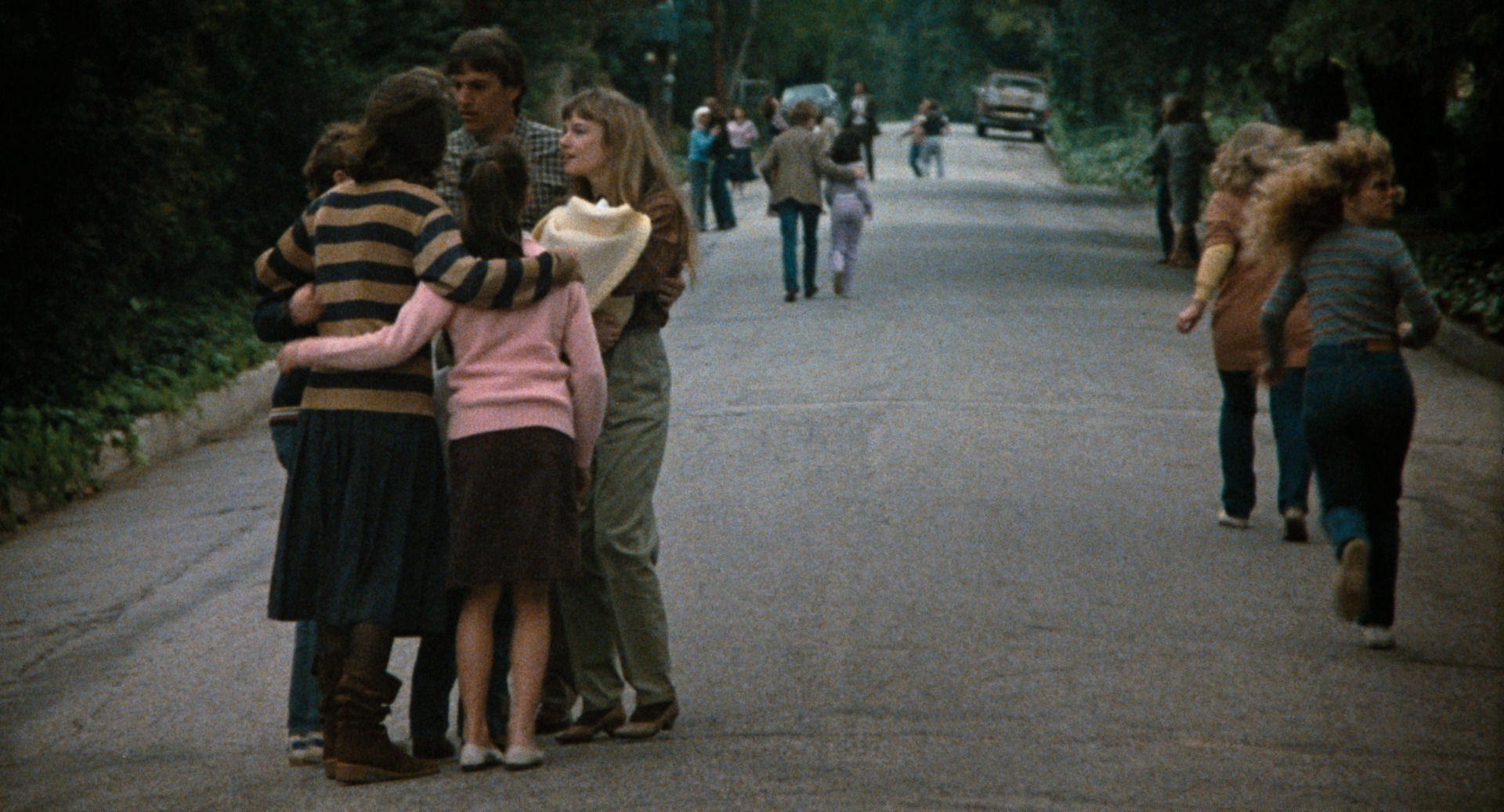
Lynne Littman’s Testament (1983) opens on bedroom-window curtains silently fluttering in the morning sun. It’s a mundane image, intentionally unremarkable on its face, yet, as foreshadowed by James Horner’s mournful, “Taps”-like overture during the opening credits, there’s more to these billowing white symbols of suburban domesticity. Testament—a cinematic manifestation of what might be contemporary humanity’s greatest collective fear, nuclear annihilation, set largely within the walls of one average American family’s house—returns time and again to images of curtains, linens, and fabrics. As the film continues, though, they become increasingly fraught signs of decay: frayed and torn shirtsleeves, bloodstained towels, bedsheets used as death shrouds. Littman’s movie, one of American cinema’s most singularly unsparing and unbearably intimate works, transforms the safe space of the home into a battlefield of survival. It’s the end of the world as a lullaby of despair.
Films detailing what might happen in the lead-up to or fallout from an atomic blast in the Western hemisphere had constituted their own anxious subgenre for decades before Testament. Baby boomers had been learning to duck and cover under their school desks, growing up in an unprecedented atmosphere of existential dread. By the tail end of the 1950s, that dread had made its way to movie houses. Postnuclear melodramas like Stanley Kramer’s On the Beach and Ranald MacDougall’s The World, the Flesh and the Devil (both 1959) led to more sophisticated evocations like Sidney Lumet’s realist gut-churner Fail Safe and Stanley Kubrick’s absurdist Dr. Strangelove, or: How I Learned to Stop Worrying and Love the Bomb (both 1964). British newcomer Peter Watkins’s forty-seven-minute The War Game (1966), which won an Oscar for Best Documentary Feature (despite being neither a documentary nor a feature), remains the era’s most terrifying film of this type: made two decades after the United States’ strikes on Hiroshima and Nagasaki, The War Game imitates a matter-of-fact BBC newsreel, depicting the horrific physical, psychological, and social disintegration of the populace in Kent following the detonation of a nuclear warhead. Mass starvation, radiation sickness, flash blindness, violently repressive government response to civil unrest—that’s entertainment? Maybe not, but such high-minded exploitation did make for meaningful, suspenseful social-issue cinema. By this time, the prolonged Cold War with the Soviet Union—and the panic stoked by 1962’s Cuban missile crisis—had escalated fears of atomic holocaust.
More: Essays
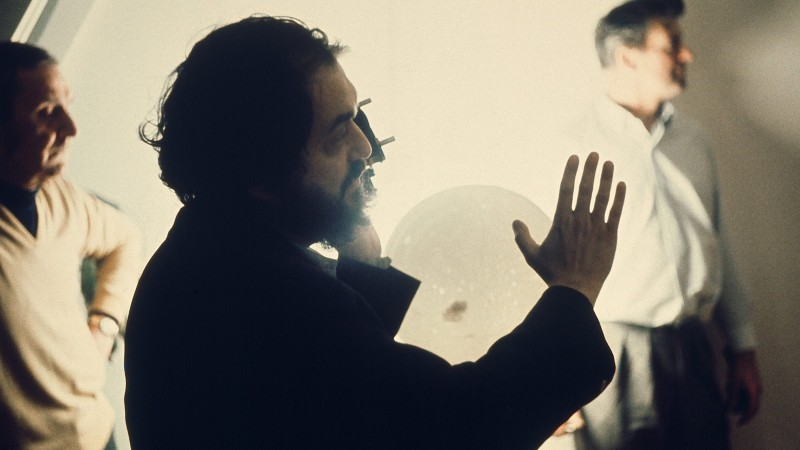
God Laughs: Stanley Kubrick’s Cinema
Throughout his enormously influential body of work, the great director explored the conflict between humankind’s obsession with control and our capacity for error and failure.

Christiane F.: Up Against the Wall
Uli Edel’s harrowing tale of youth rebellion is one of cinema’s greatest Berlin films, a visceral urban portrait that captures the city’s doom and decadence during the Cold War era.
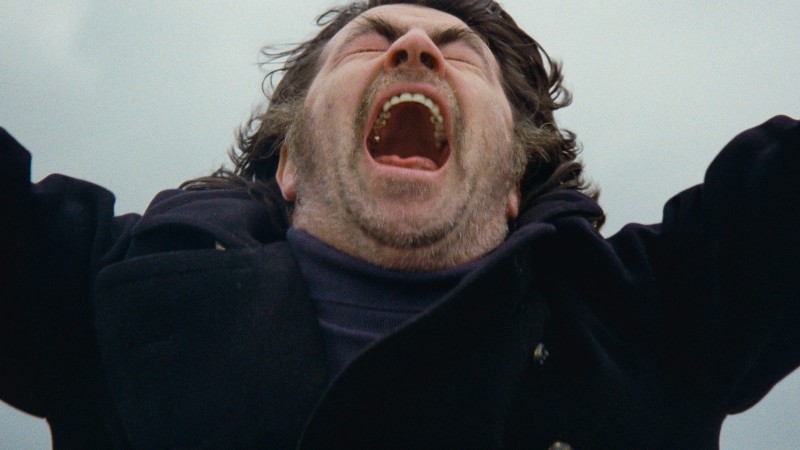
The Shout: Sound and Fury
Blending elements of psychological thriller, social satire, and psychedelic film, Jerzy Skolimowski’s Cannes-award-winning classic uses its audacious sound design to evoke the terror of English civilization.
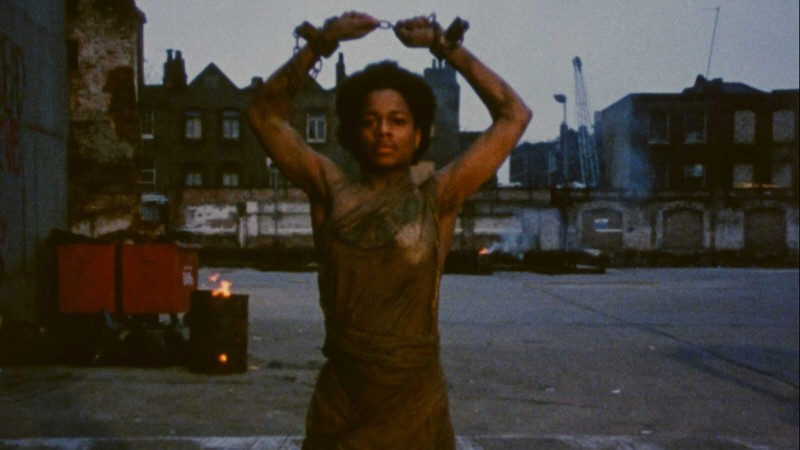
Welcome II the Terrordome: The Future Is Furious
A dystopian drama that draws on the influences of African mythology and hip-hop, Ngozi Onwurah’s debut feature uses a mix of speculative forms to expose anti-Blackness as a system that underpins the modern world.