The Criterion Channel’s March 2026 Lineup
The Criterion Channel’s March 2026 Lineup
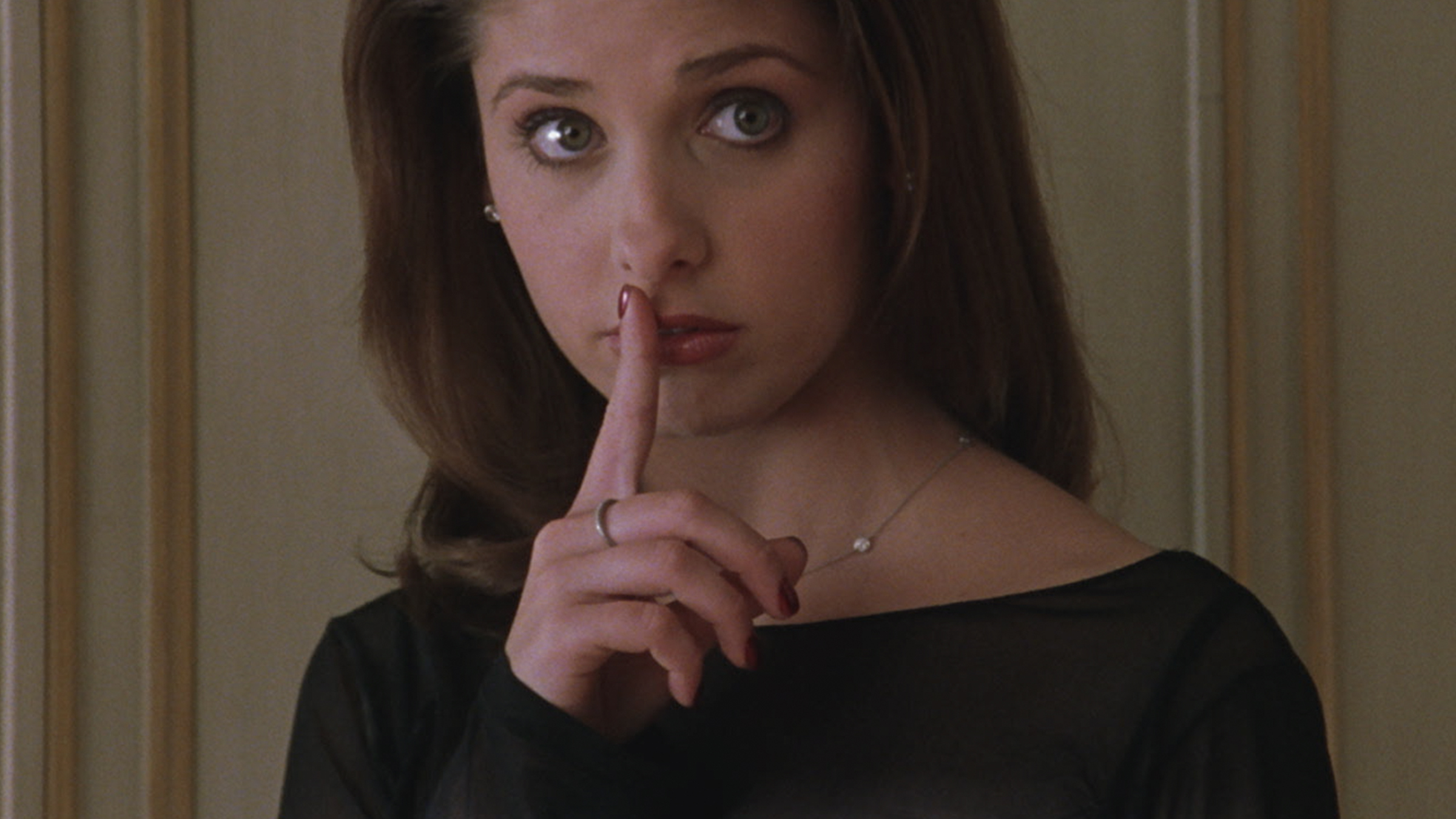
This month on the Criterion Channel, step into the video store of your dreams: VHS Forever celebrates the technology that revolutionized film culture. A spotlight on the Romanian New Wave highlights the brilliant movement that brought an unsparing, dryly funny eye to the country’s post-Communist realities, while a retrospective dedicated to pioneering queer filmmaker Monika Treut encompasses taboo-shattering erotica and sensitive nonfiction alike. There’s so much more to choose from this month, including a trio of Gwyneth Paltrow performances, the complete first season of Ghost in the Shell: Stand Alone Complex, the exclusive premiere of a new Charlie Kaufman short starring Jessie Buckley, the vicious teen-movie favorite Cruel Intentions, and the lone feature to date directed by The Sopranos creator David Chase.
If you haven’t signed up yet, head to CriterionChannel.com and get a 7-day free trial.
*Indicates programming available only in the U.S.
TOP STORIES

VHS Forever
WATCH NOW
Fifty years ago, the introduction of VHS to the consumer market revolutionized the way people watched movies, bringing classics, the latest hits, obscure cult favorites, underground bootlegs, and disreputable marginalia alike into their homes with hitherto unimaginable convenience. This ode to analog traces the ripple effect that VHS had on the wider pop-culture landscape and imagination—from the rise of video-store culture in the 1980s and ’90s (Clerks, The Watermelon Woman) to the often obsessive nature of home recording (Speaking Parts, Benny’s Video) to the disturbing results of transgressive images invading the domestic space (Videodrome, Ring). Together they comprise a panoramic meta-history of the distinctively grainy, static-flecked medium that forever altered our relationship to the moving image.
Programmed by Clyde Folley
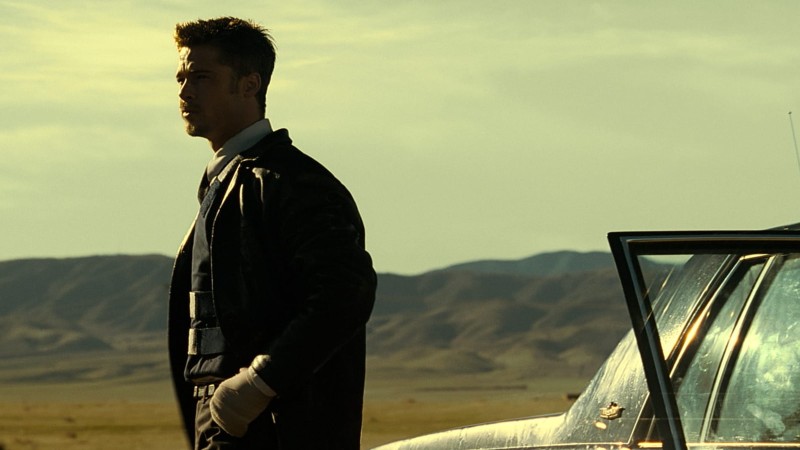
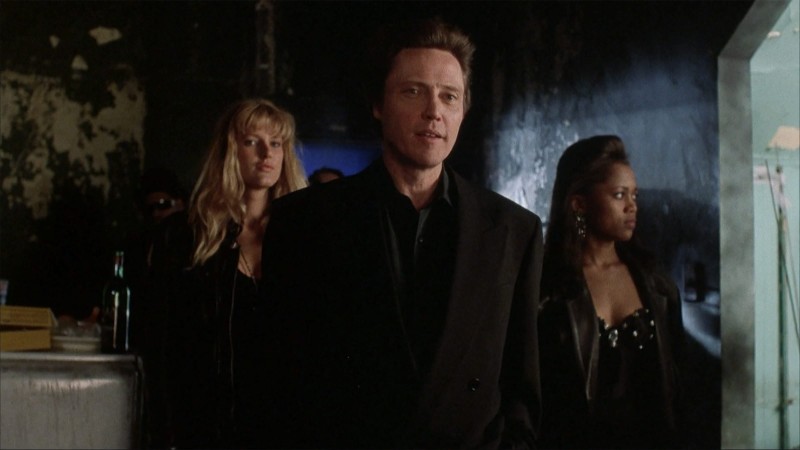
FEATURING: Videodrome (1983), Body Double (1984), 52 Pick-Up (1986), Re-Wind (1988), Remote Control (1988), Speaking Parts (1989), The Fisher King (1991), Benny’s Video (1992), Clerks (1994)*, The Watermelon Woman (1996), Lost Highway (1997), The Big Hit (1998), Ring (1998), Bleeder (1999), The Ring (2002)*, Videoheaven (2025)*
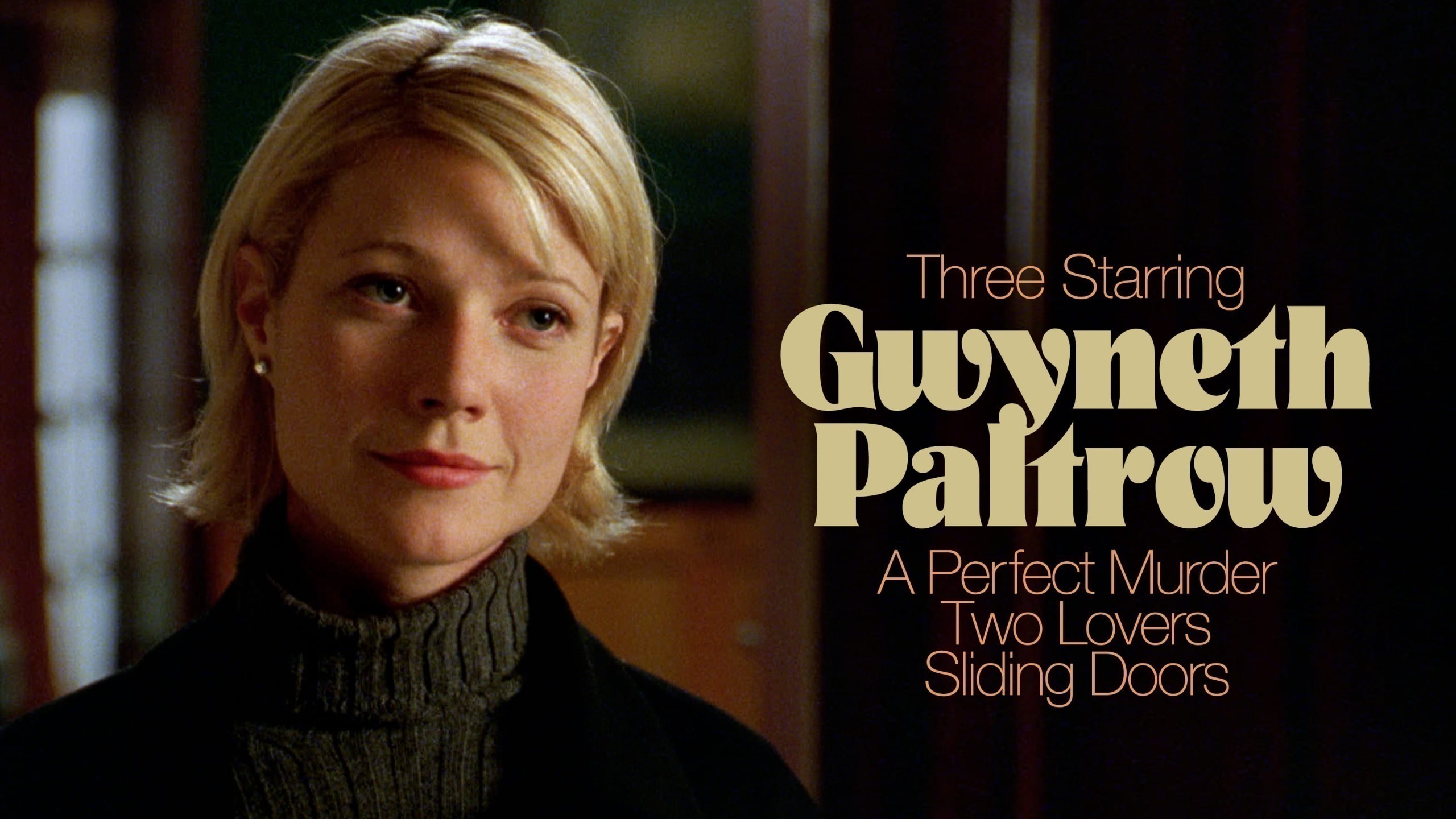
Three Starring Gwyneth Paltrow
WATCH NOW
In the 1990s and early 2000s, Gwyneth Paltrow reigned supreme with her poise, intelligence, and timeless sense of style. Her cool sophistication and ability to portray fragile intimacy are on display in the emotionally raw chamber drama Two Lovers and the sleek thriller A Perfect Murder, while her sharp wit and emotional precision redefined the romantic heroine in Sliding Doors. Inspired by her triumphant return to the big screen in Marty Supreme, we present a trio of favorites that perfectly showcase her inimitable star power.
FEATURING: A Perfect Murder (1998), Sliding Doors (1998), Two Lovers (2008)
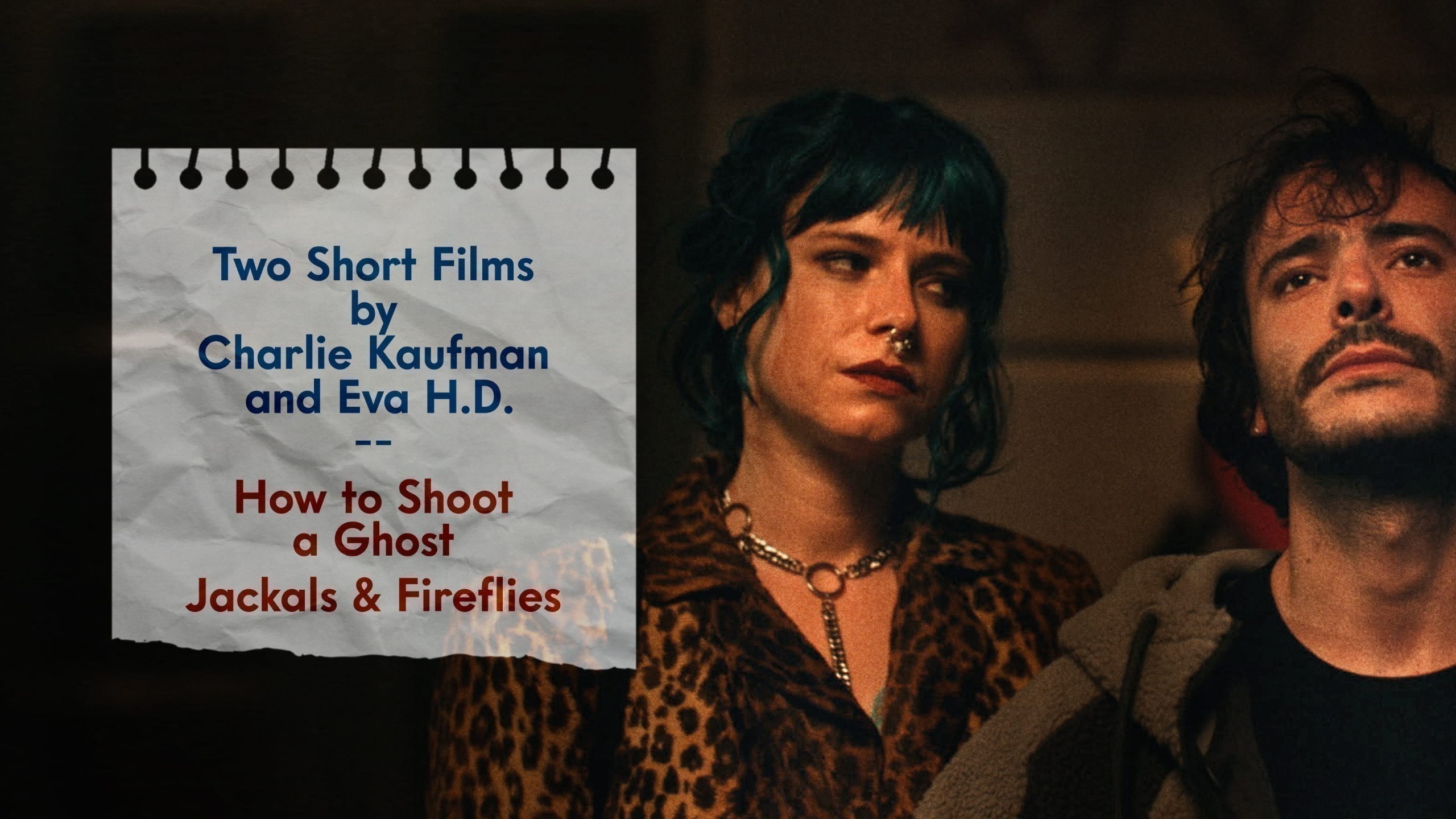
Two Short Films by Charlie Kaufman and Eva H.D.
WATCH NOW
While Charlie Kaufman is best known for cerebral, intricately constructed metafictions like Anomalisa and Synecdoche, New York, his recent collaborations with writer Eva H.D. find him working in a different mode: impressionistic, intuitive, and vividly sensorial. Both city symphonies of a kind, these two shorts—the restless New York cine-poem Jackals & Fireflies and the aching, Athens-set elegy How to Shoot a Ghost, starring Jessie Buckley—drift dreamily through the urban landscape, finding bruising poignancy in the small, fleeting moments and encounters that give life its infinite richness.
FEATURING: Jackals & Fireflies (2023), How to Shoot a Ghost (2025)
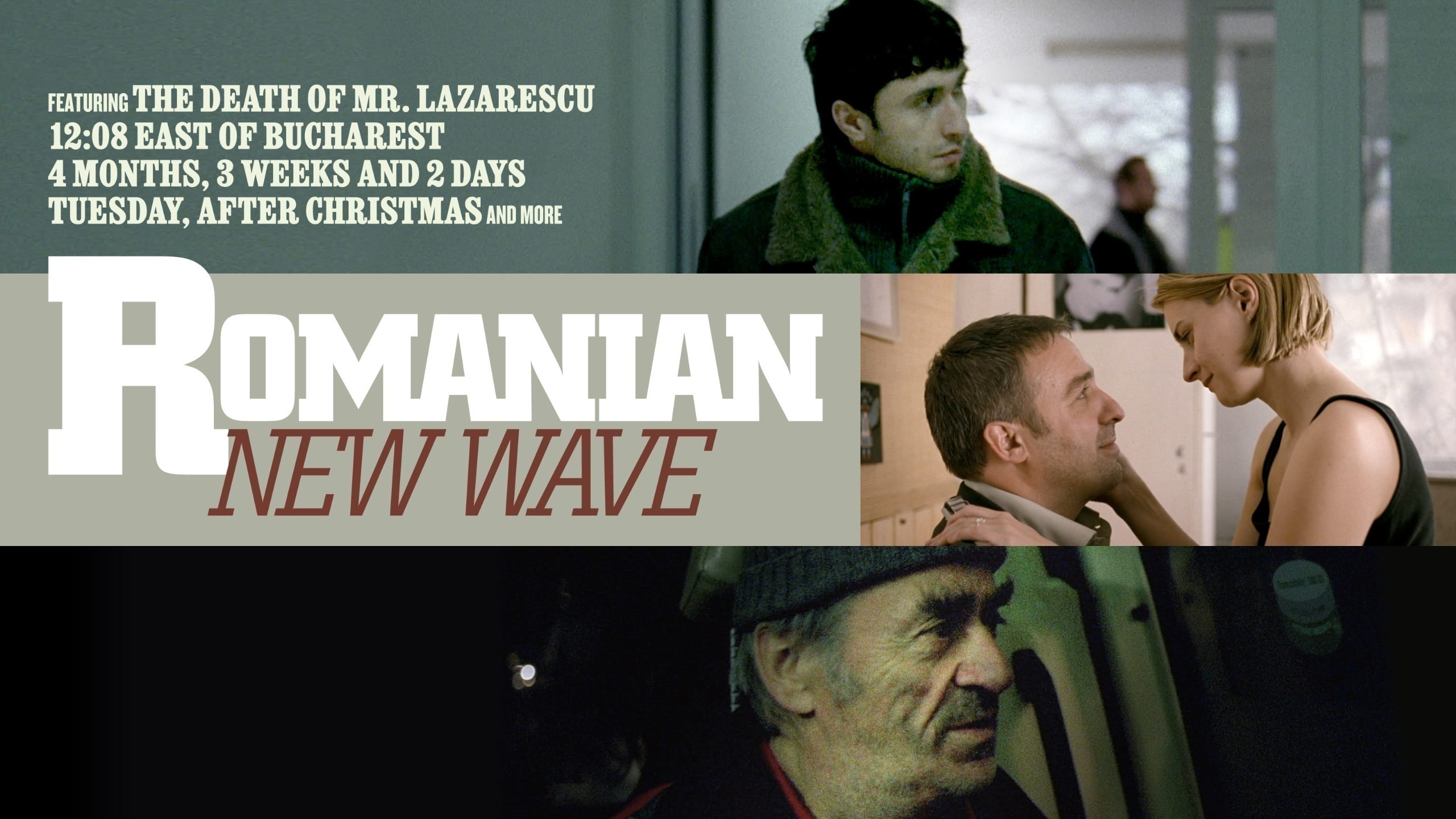
Romanian New Wave
WATCH NOW
Through a mix of razor-sharp realism and pitch-black humor, the films of the Romanian New Wave turn everyday dilemmas into gripping moral dramas. Provocatively merging the personal and the political, leading directors like Cristi Puiu (The Death of Mr. Lazarescu), Corneliu Porumboiu (12:08 East of Bucharest), and Cristian Mungiu (4 Months, 3 Weeks and 2 Days) confront the legacy of Communism and the messy transition that followed Nicolae Ceaușescu’s authoritarian regime, revealing the lingering bureaucratic absurdities and indignities that continue to shape day-to-day life and its endless ethical choices. Made with modest means but unmistakable assuredness, these powerful, unsparing works are models of minimalist filmmaking at its most urgent and alive.
FEATURING: The Death of Mr. Lazarescu (2005), 12:08 East of Bucharest (2006), 4 Months, 3 Weeks and 2 Days (2007), Police, Adjective (2009), Aurora (2010), Tuesday, After Christmas (2010), Sieranevada (2016)
Ghost in the Shell: Stand Alone Complex—Season 1
WATCH NOW
Presented in both the original and English-dubbed versions
Of the myriad adaptations of the foundational cyberpunk manga Ghost in the Shell, the animated TV series Ghost in the Shell: Stand Alone Complex arguably comes closest to capturing the breadth, vision, and thematic complexity of the original. The twenty-six-episode first season unfolds as a riveting science-fiction crime procedural, following the members of the specialized police unit known as Public Security Section 9 as they investigate high-profile cyberterrorism incidents in a future where humans have increasingly become cybernetic hybrids. Their work ultimately leads them into the case of the Laughing Man, an elusive hacktivist whose attempts to expose a vast web of corporate and political corruption threaten to destabilize powerful institutions. Combining sleek visuals with provocative themes surrounding the dissolving boundaries between humans and technology, Stand Alone Complex remains a thrilling high point in the art of anime: absorbing, intelligent, and often unsettlingly prescient.
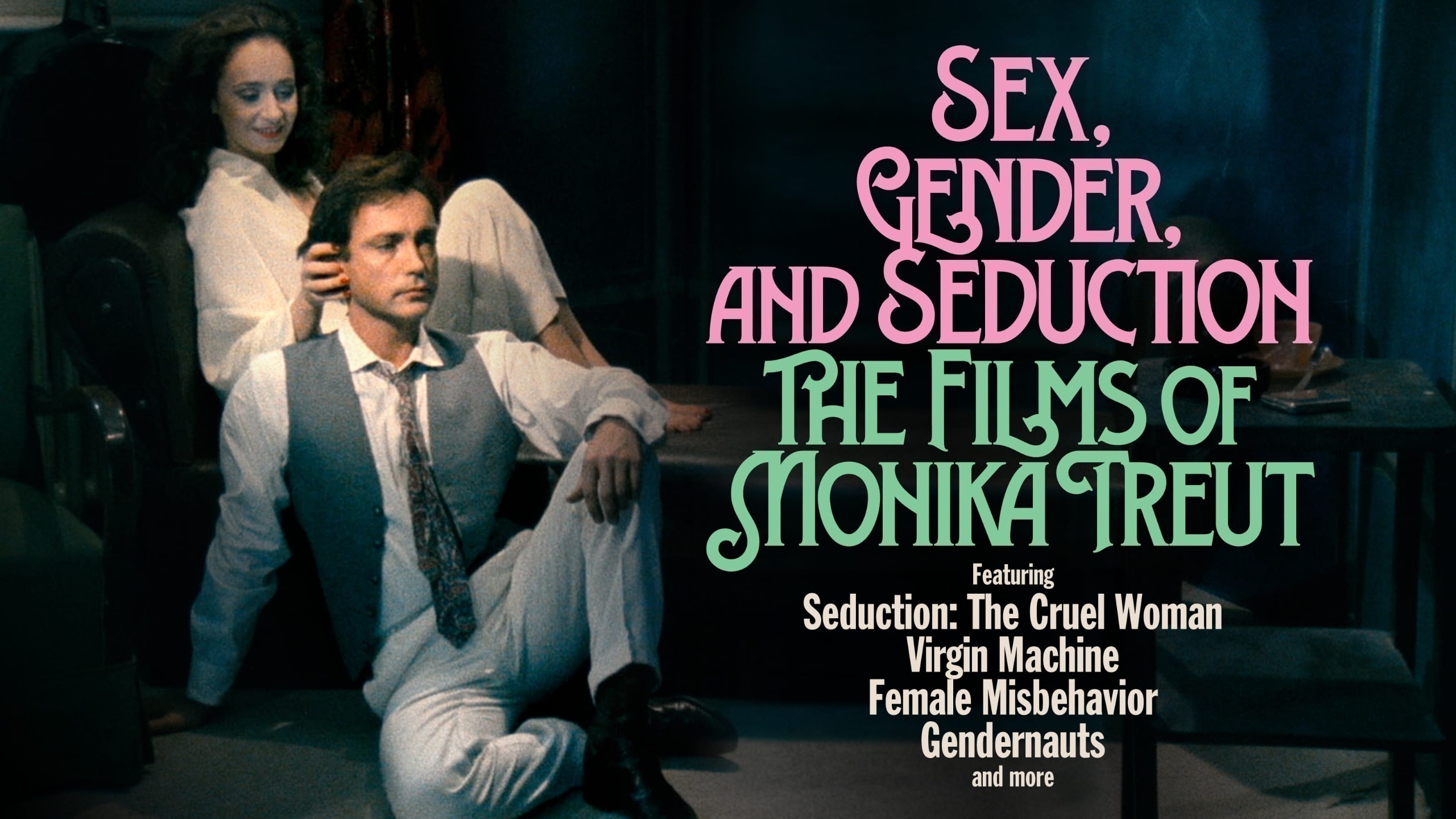
Sex, Gender, and Seduction: The Films of Monika Treut
WATCH NOW
Ever since her daring debut feature, the fearlessly transgressive S&M exploration Seduction: The Cruel Woman, Monika Treut has been at the forefront of queer cinema, illuminating LGBTQ+ lives with subversive wit, uncompromising honesty, and compassionate insight. Fiercely controversial in her native Germany—where the newspaper Die Zeit once proclaimed that “films like Monika Treut’s are destroying cinema”—Treut found wider acceptance in the burgeoning queer film-festival and American independent-cinema scenes, leading to decades-long collaborations with queer trailblazers like trans poet Max Wolf Valerio (Max) and “post-porn modernist” Annie Sprinkle (Female Misbehavior). Spanning narrative (Virgin Machine, My Father Is Coming) and documentary (Didn’t Do It for Love, Gendernauts: A Journey Through Shifting Identities) modes, these films are taboo-shattering, playfully intelligent explorations of sex and gender that defy repressive cultural norms to shed light on the often-hidden arcs of queer twentieth-century history.
FEATURES: Seduction: The Cruel Woman (1985), Virgin Machine (1988), My Father Is Coming (1991), Female Misbehavior (1992), Didn’t Do It for Love (1997), Gendernauts: A Journey Through Shifting Identities (1999), Genderation (2021)
SHORTS: Max (1992)
EXCLUSIVE PREMIERES

Mistress Dispeller
WATCH NOW
In China, a new industry has emerged devoted to helping couples stay married in the face of infidelity. Wang Zhenxi is part of this growing profession, a “mistress dispeller” who is hired to maintain the bonds of marriage—and break up affairs—by any means necessary. Offering strikingly intimate access to private dramas usually hidden behind closed doors, Elizabeth Lo’s spellbinding documentary follows a real, unfolding case of infidelity as Teacher Wang attempts to bring a couple back from the edge of crisis. Their story shifts our sympathies between husband, wife, and mistress to explore the ways emotion, pragmatism and cultural norms collide to shape romantic relationships in contemporary China.

Happyend
WATCH NOW
A heartfelt coming-of-age anthem and a mesmerizing vision of resistance, rebellion, and the irrepressible spirit of youth, the at once humorous and incisive feature debut from director Neo Sora imagines the high school experience in a dystopian near-future Tokyo. There, after best friends Yuta (Hayato Kurihara) and Kou (Yukito Hidaka) pull an audacious prank on their principal, the school responds by installing an elaborate surveillance system. Between the oppressive new security measures, a darkening national political climate, and the omnipresent threat of catastrophic earthquakes, the increasingly disillusioned Kou finds himself inspired to take a stand as an activist, while the passive Yuta remains seemingly unaware of what is going on around him. For the first time in their lifelong friendship, the two are forced to reckon with differences they had never confronted before.
Videoheaven
WATCH NOW
Cultural hub, consumer mecca, and source of existential dread: the video-rental store forever changed the way we interact with movies. With narration by Maya Hawke and footage culled from hundreds of sources—from TV commercials to blockbuster films—this sprawling, engrossing, and witty pop-culture deep dive from director Alex Ross Perry (Pavements, Her Smell) tells the story of the video store’s glorious, confusing, novel, sometimes seedy, and undeniably seismic impact on American movie culture.
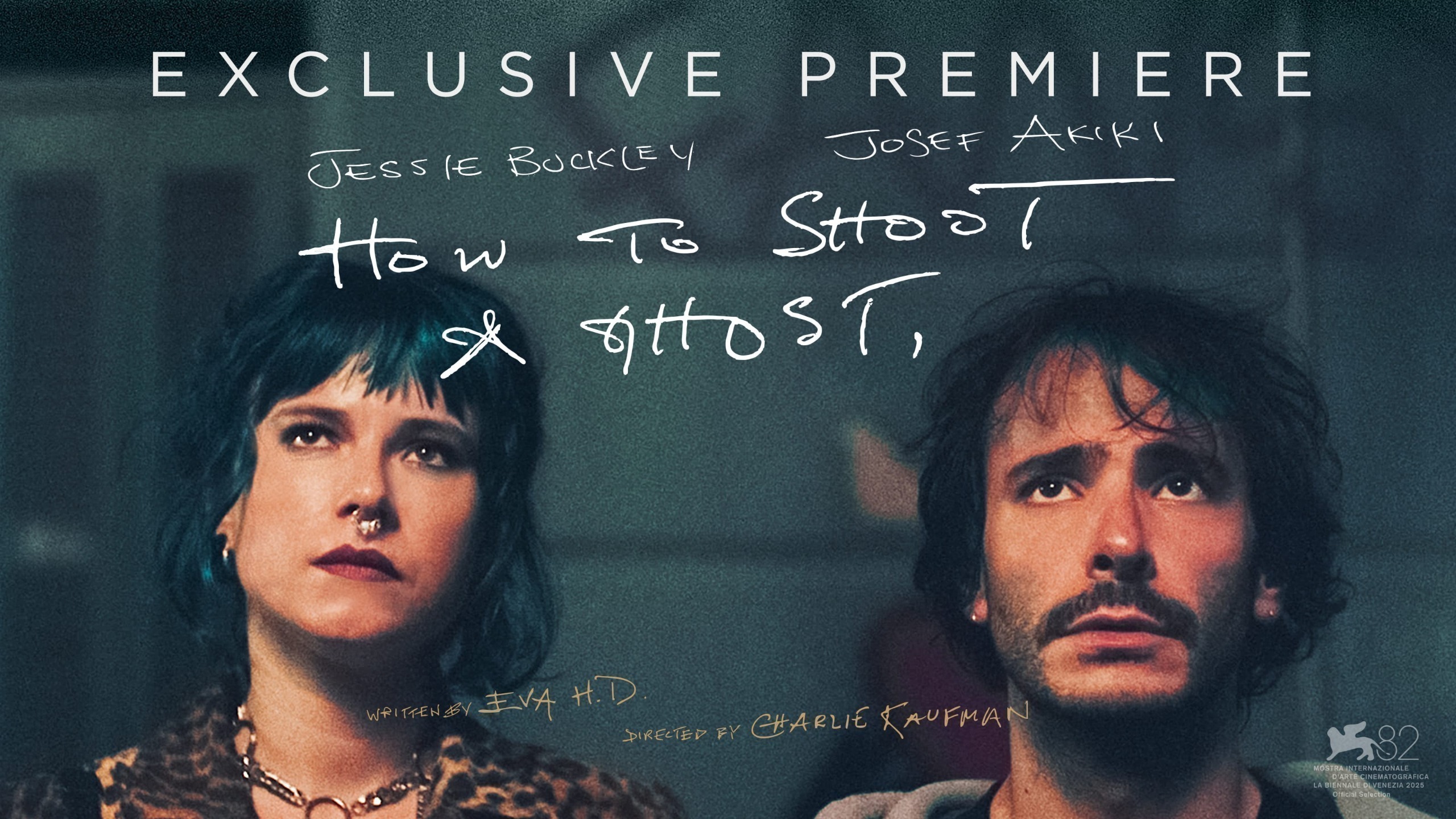
How to Shoot a Ghost
WATCH NOW
Part ghost story, part city symphony, this elegiac short directed by Charlie Kaufman traces the meeting of two recently deceased young people—a troubled photographer (Jessie Buckley) and a gay translator (Josef Akiki)—whose restless souls wander the streets of Athens, Greece, where they confront both the remnants of the city’s history and the wreckage of their own unresolved lives. Folding complex ideas around mortality, memory, and migration into exquisite, ethereal images, Kaufman arrives at a breathtakingly moving vision of two outsiders searching for connection and consolation beyond the bounds of life.
REDISCOVERIES AND RESTORATIONS
Martin Scorsese’s World Cinema Project
Featuring introductions to each of the films by Scorsese
Restored by The Film Foundation’s World Cinema Project, these rediscovered classics from around the world include awe-inspiring epics from Algeria (Chronicle of the Years of Fire) and Kazakhstan (The Fall of Otrar), an enchanting Indian fable (Kummatty), and a profound family portrait from Burkina Faso (Yam daabo).
FEATURING: Chronicle of the Years of Fire (1975), Kummatty (1979), Yam daabo (1987), The Fall of Otrar (1991)
Not Fade Away*
WATCH NOW
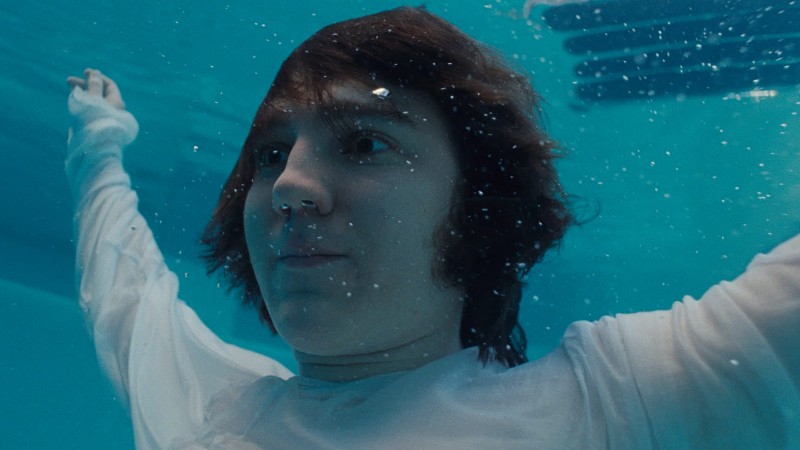
The feature-film debut from David Chase, creator of The Sopranos, is a uniquely unsentimental, open-ended coming-of-age story set in the counterculture explosion of midcentury America. In 1960s New Jersey, teenager Doug Damiano (John Magaro), inspired by the English invasion of bands like the Rolling Stones and the Beatles, drops out of college to pursue his musical dreams by starting his own rock ’n’ roll band. As his ambitions clash with reality and tensions rise with both his bandmates and his disapproving father (James Gandolfini), what emerges is a complicated, bittersweet reflection on generational sea change and the formation of identity, all set to a perfect period soundtrack featuring greats ranging from Bo Diddley to Bob Dylan.
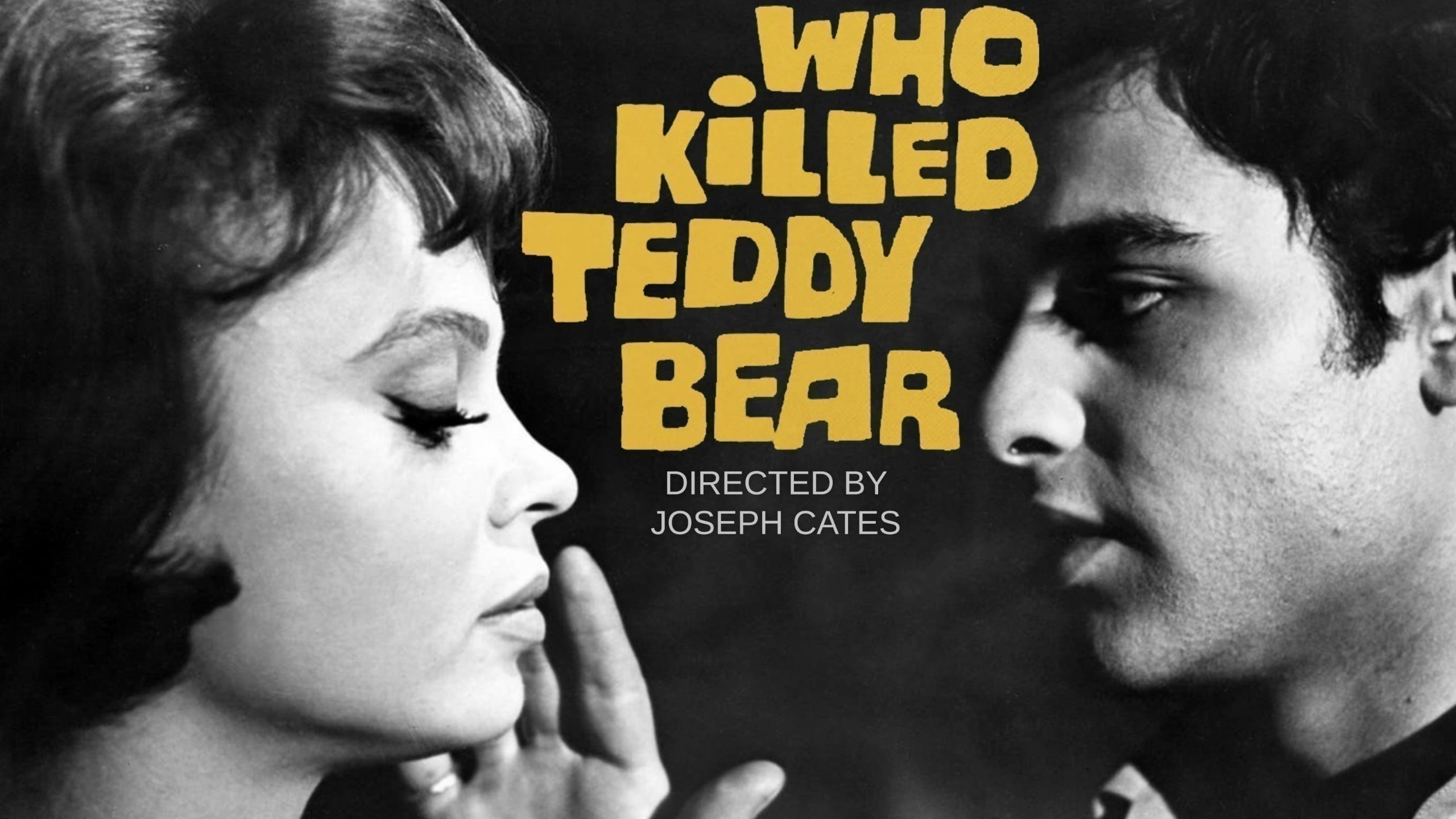
Who Killed Teddy Bear
WATCH NOW
Norah Drain (Juliet Prowse), a Manhattan disco hostess, is being terrorized by a stalker and obscene phone caller. NYPD Lieutenant Dave Madden (Jan Murray) takes a personal interest in her case, finding himself drawn not only to Norah but to the sordid desires of the Times Square sex district. As Norah begins to question Madden’s intentions, a sullen busboy (Sal Mineo) plunges her into a fight for her life on the streets of New York City. Evocatively shot on location in stark black and white, the daringly ahead-of-its-time Who Killed Teddy Bear—presented here in its long-unseen, fully uncensored form—is a relentlessly tawdry time capsule of midsixties Times Square.
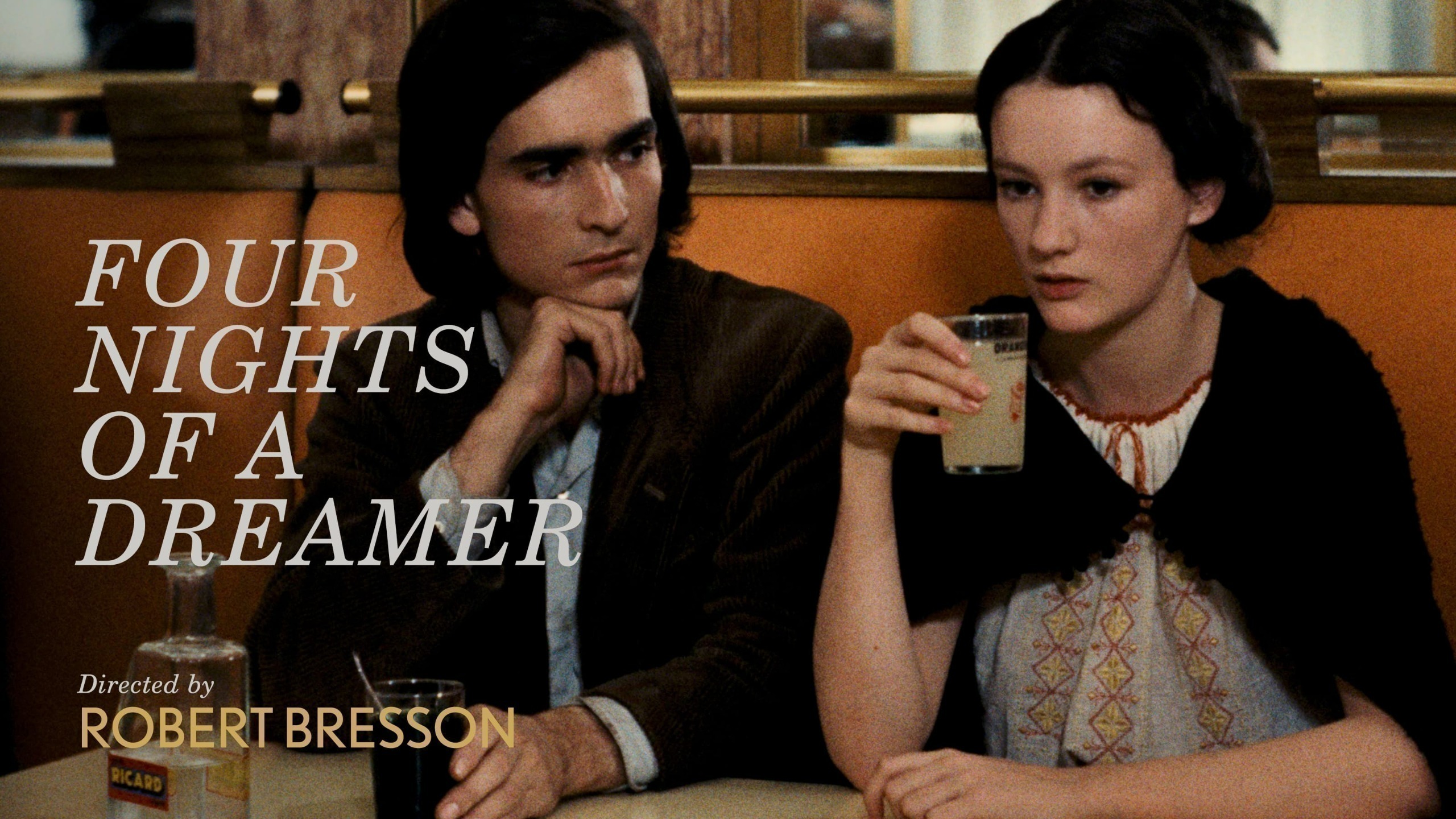
Four Nights of a Dreamer
WATCH NOW
Four Nights of a Dreamer is Robert Bresson’s great forgotten masterpiece, a stark yet haunting ode to romantic idealism and the capriciousness of love. Adapted from Fyodor Dostoevsky’s “White Nights,” Four Nights of a Dreamer follows Jacques (Guillaume des Forêts), a lonely artist who roams bohemian Paris in search of the girl of his dreams. One night he saves a beautiful young woman, Marthe (Isabelle Weingarten), from plunging into the Seine in despair over her rejection by an avoidant lover (Jean-Maurice Monnoyer). Jacques compassionately attempts to reunite Marthe with her beau, but his feelings for his new friend soon become less than platonic and his investment in her personal drama far from selfless. Four Nights of a Dreamer has been called the French master’s “loveliest” work: with his signature minimalism, Bresson films the shimmering beauty of nocturnal Paris as it enfolds his characters in endless possibility—subtly capturing the wonder of unexpected connection and the mystery of fate.
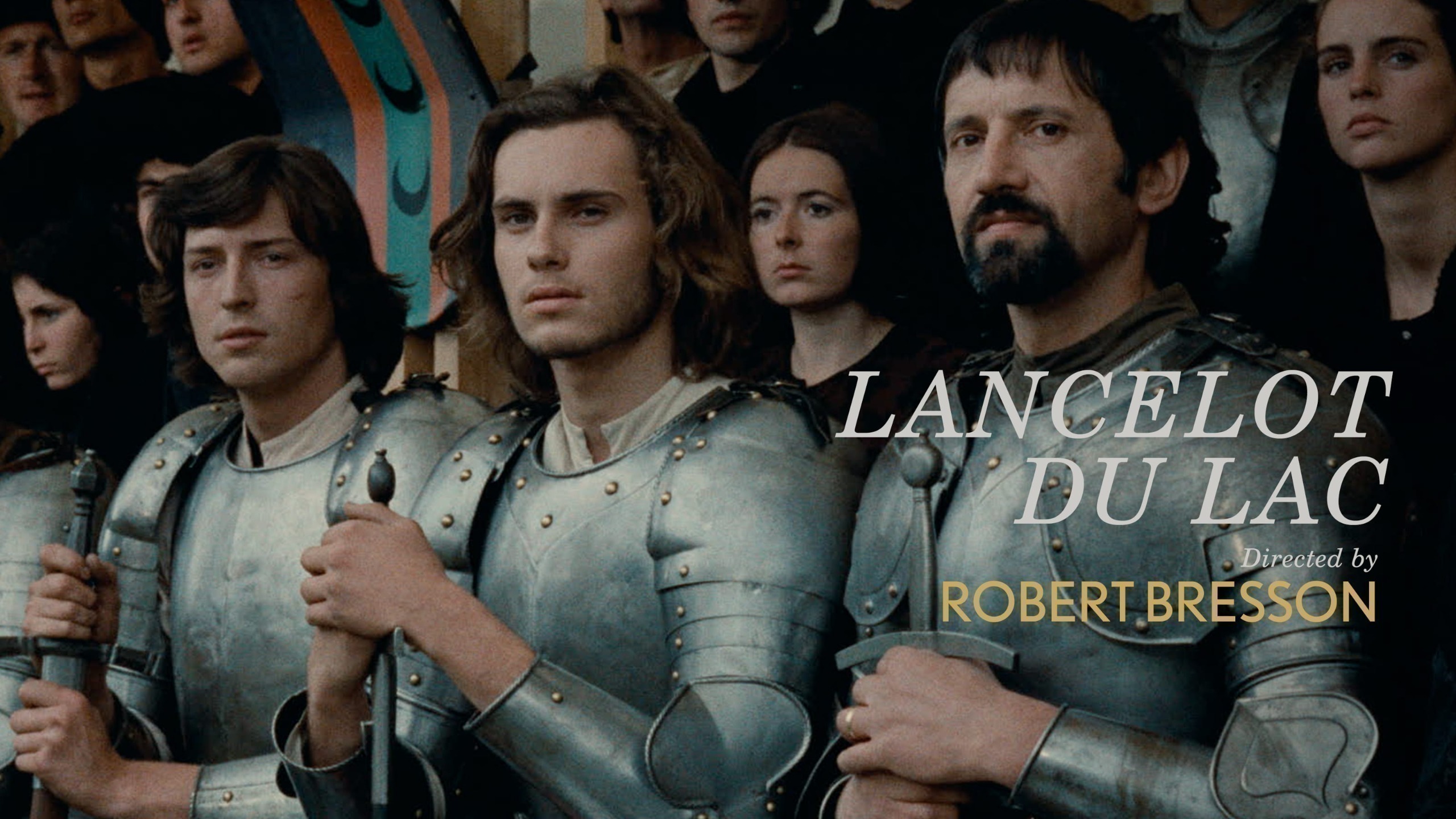
Lancelot du lac
WATCH NOW
Robert Bresson’s almost abstract rendering of the Arthurian legend—the tale of the titular knight’s quest for the Holy Grail and his love affair with Guinevere—approaches the realm of pure cinema, unfolding as a hypnotic study in the movement of bodies, the clanking of armor, the rhythm of galloping horses, and the spurting of blood. A mesmerizing reimagining of myth, Lancelot du lac (“Lancelot of the Lake”) finds the French iconoclast blending the earthy and the spiritual, the elemental and the transcendent, to ecstatic effect.
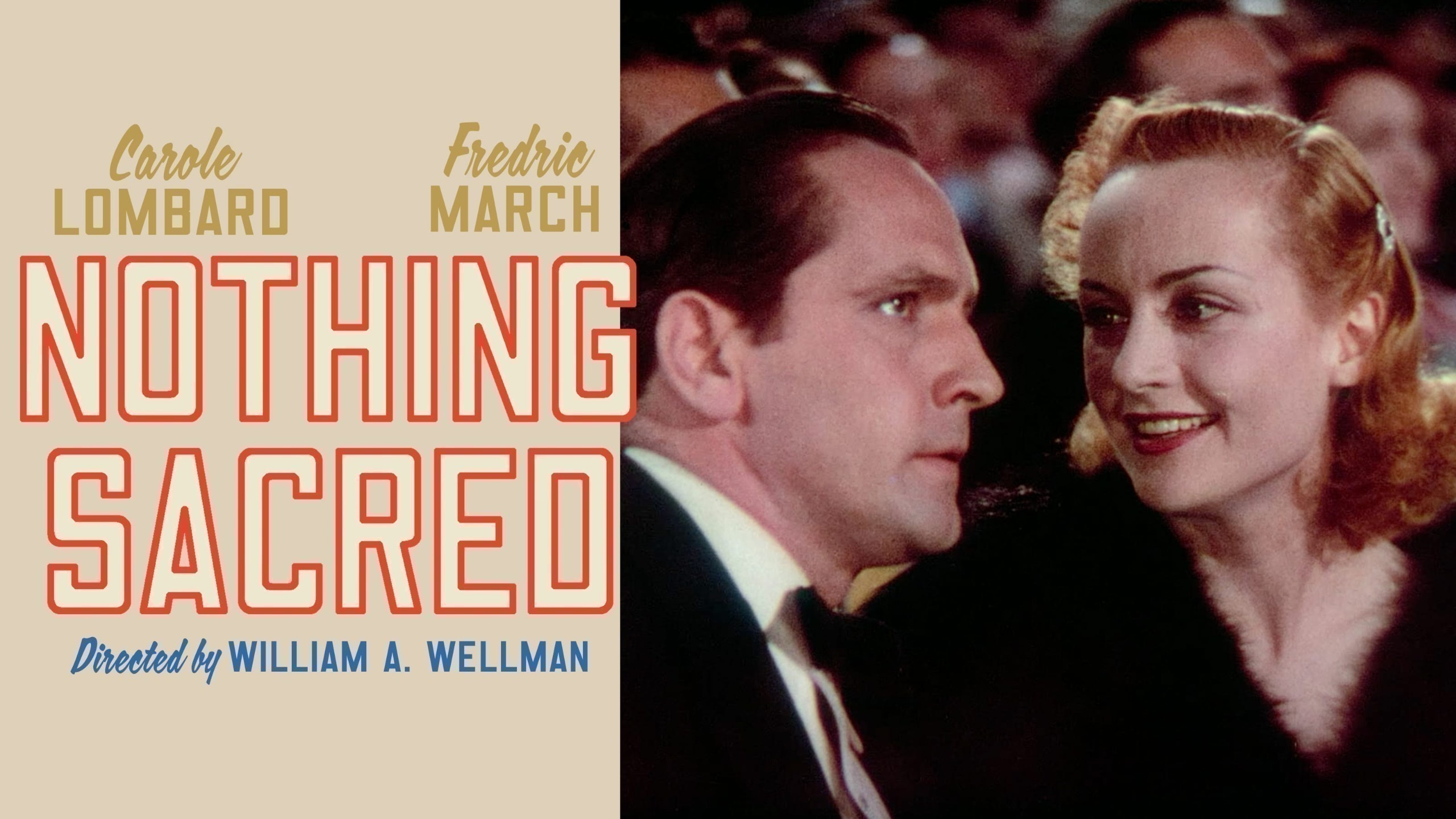
Nothing Sacred
WATCH NOW
He’s an unscrupulous newspaperman eager to exploit the story of a young woman’s death by radium poisoning. She knows she’s not really dying but can’t pass up a free trip to New York with all the trimmings. Carole Lombard and Fredric March costar in this black-comedy classic nimbly directed by William A. Wellman. Taking caustic aim at how tabloid journalism feeds the morbid curiosity of a scandal-hungry public, Ben Hecht’s sharply satirical screenplay remains as fresh and biting as ever.
CRITERION COLLECTION EDITIONS

Ryusuke Hamaguchi’s Oscar-winning masterpiece is a cathartic exploration of art, grief, and what it means to go on living when there is seemingly no road ahead.
SUPPLEMENTAL FEATURES: An interview with Hamaguchi, a program about the making of the film, and press-conference footage from the premiere.

Lena Dunham established herself as a generational voice with her debut feature, an incisive portrait of post-college ennui graced with sharp wit and confessional authenticity.
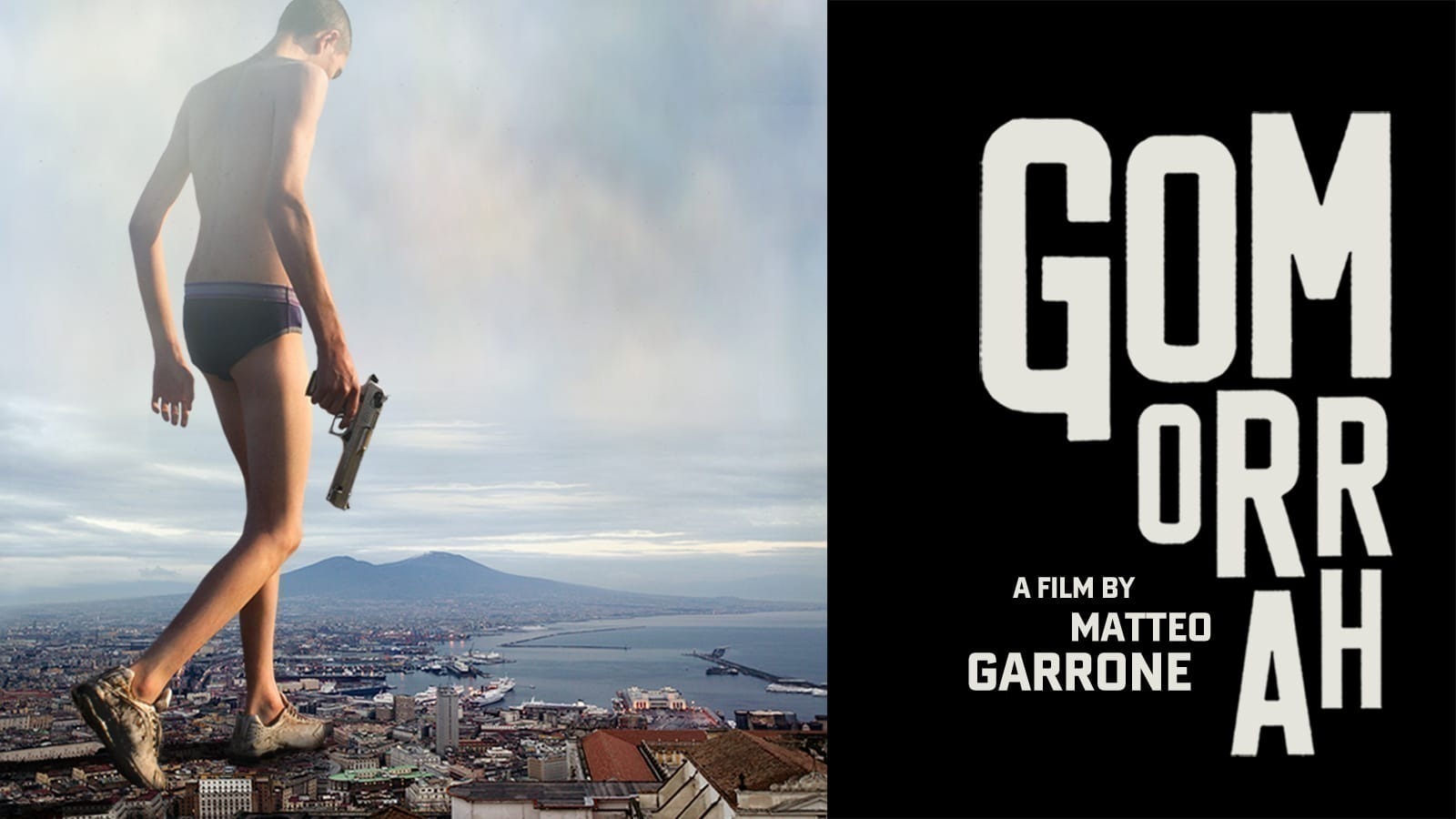
This stark, shocking vision of contemporary gangsterdom traces the Mafia corruption that extends from the housing projects to the world of haute couture in Naples, Italy.
SUPPLEMENTAL FEATURES: A documentary on the making of the film; interviews with director Matteo Garrone, actor Toni Servillo, and writer Roberto Saviano; and more.
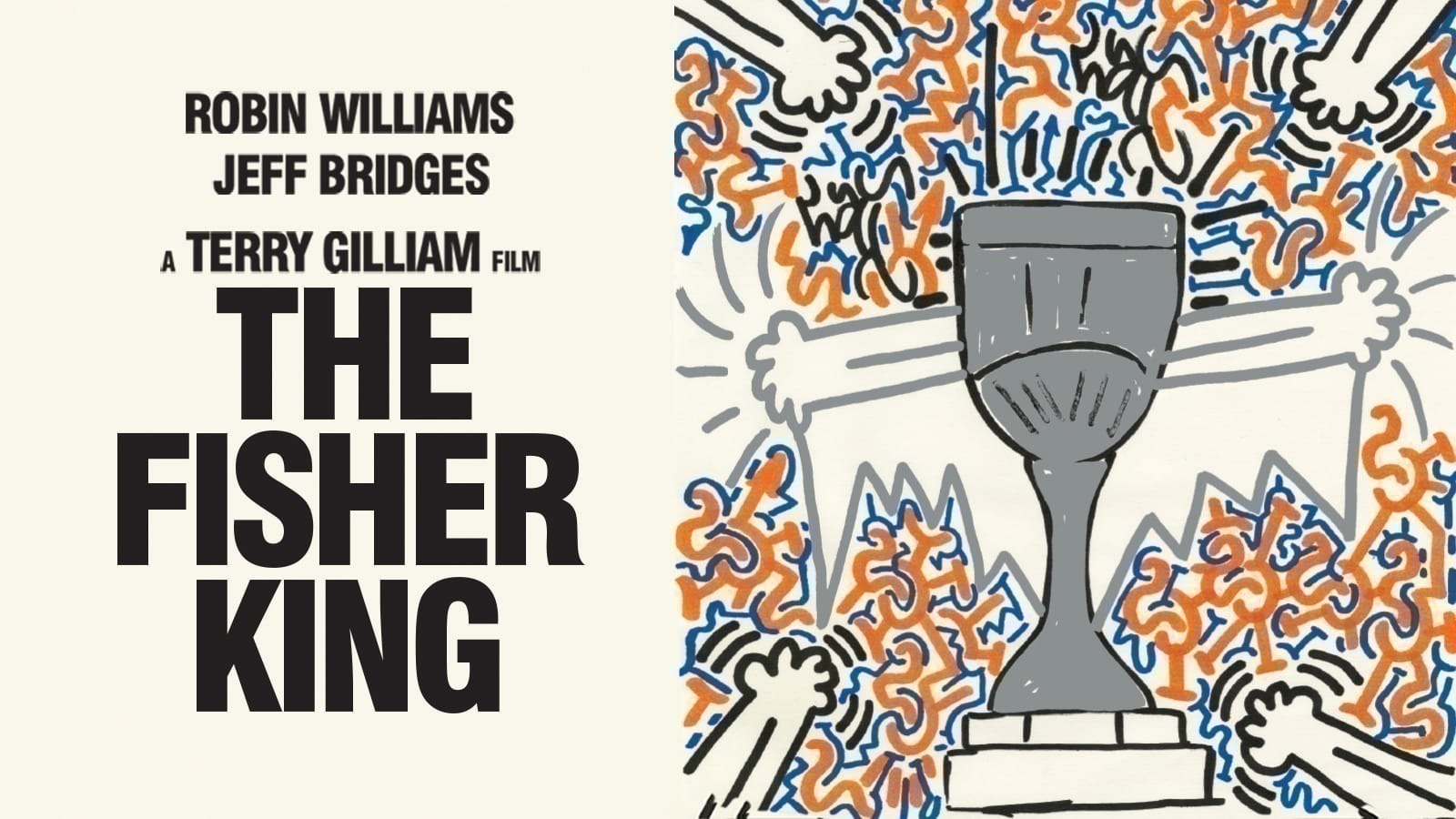
A depressed radio DJ (Jeff Bridges) and a homeless man (Robin Williams) find unexpected connection in Terry Gilliam’s poignant, Manhattan-set fairy tale of redemption.
SUPPLEMENTAL FEATURES: Audio commentary by Gilliam, interviews with cast and crew members, deleted scenes, and more.
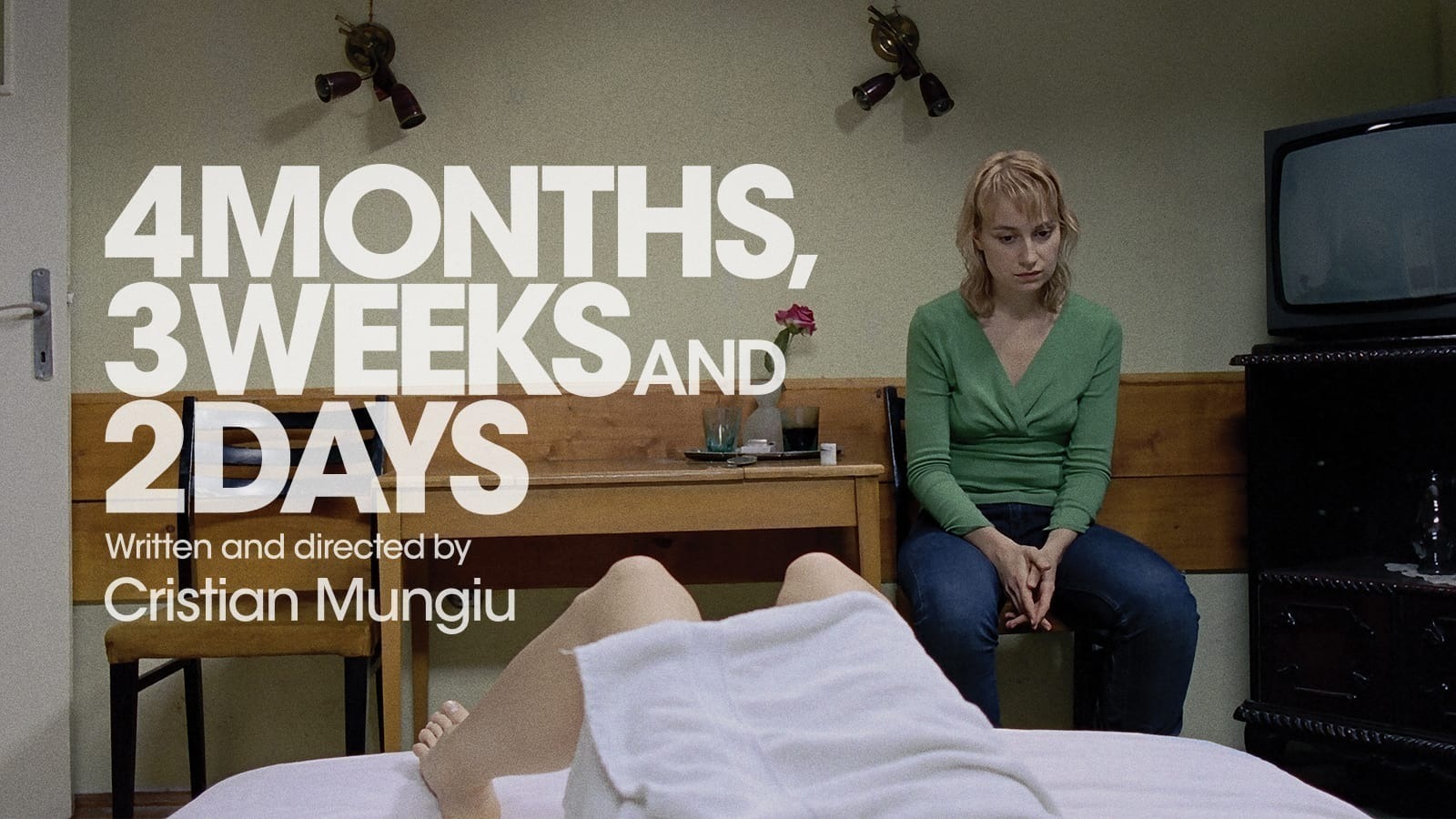
Two college roommates seek an illegal abortion in Cristian Mungiu’s Palme d’Or–winning account of the impossible choices women face when taking control of their bodies means breaking the law.
SUPPLEMENTAL FEATURES: Interviews with Mungiu and critic Jay Weissberg, a documentary on the film’s reception in Romania, alternate and deleted scenes, and more.
DIRECTOR SPOTLIGHTS
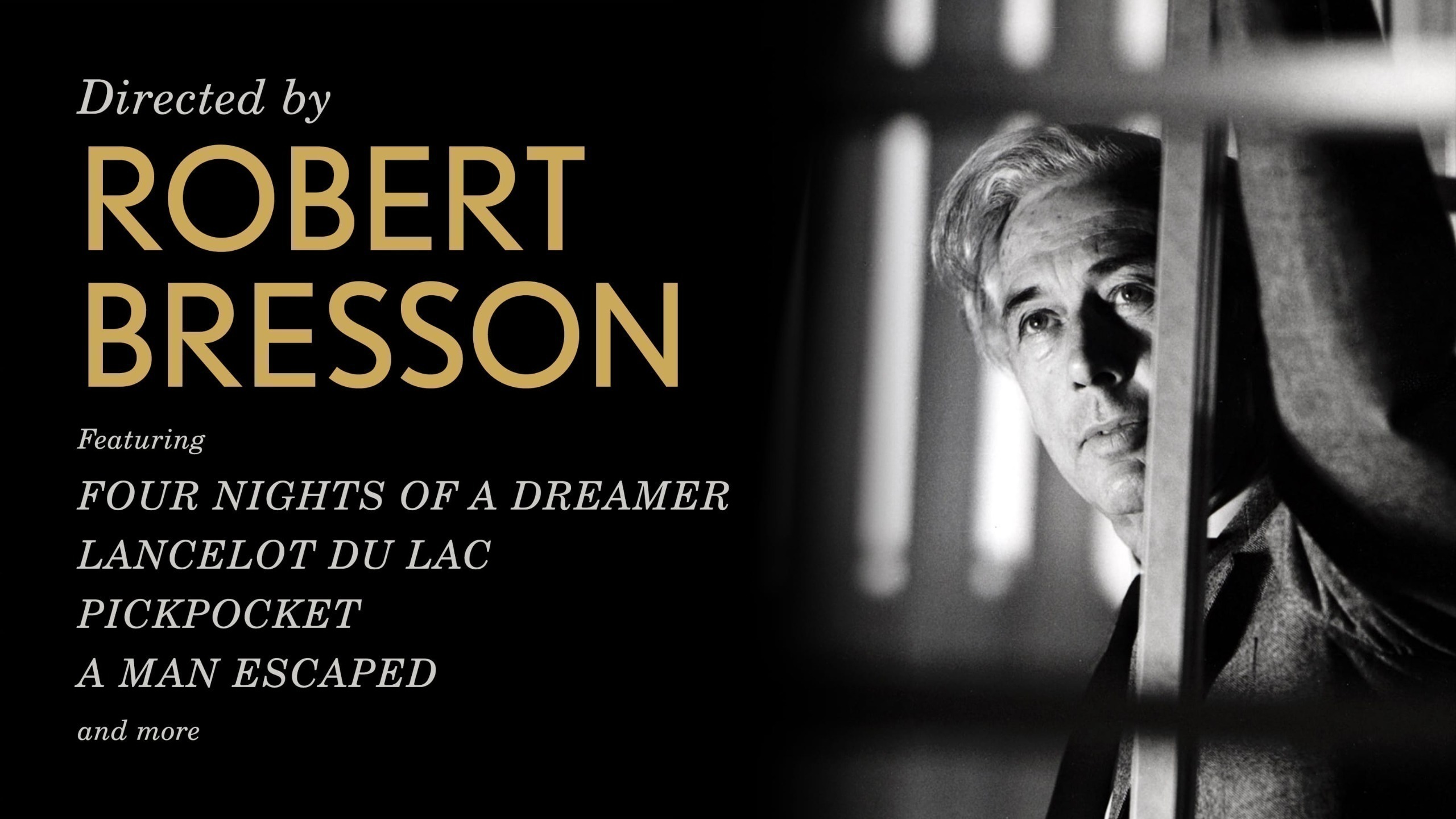
Directed by Robert Bresson
WATCH NOW
A singular, iconoclastic artist, Robert Bresson left behind an astonishing body of work, defined by the search for what he called “not beautiful images, but necessary images.” In a long, visionary career that began in the 1940s and ended in the 1980s, he continually refined the strict precision of his famously ascetic style—abolishing psychology, professional actors, and ornate camera work, and instead concentrating on the exactingly choreographed movements of his “models” (as he called his performers) and the anguished solitude of his martyred characters. In indelible visions of suffering and salvation like Pickpocket, Au hasard Balthazar, Four Nights of a Dreamer, and The Devil, Probably, he stripped cinema to its essence to reveal nothing less than the very soul of his subjects.
FEATURING: Les dames du Bois de Boulogne (1945), A Man Escaped (1956), Pickpocket (1959), The Trial of Joan of Arc (1962), Au hasard Balthazar (1966), Mouchette (1967), Four Nights of a Dreamer (1971), Lancelot du lac (1974), The Devil, Probably (1977), L’argent (1983)
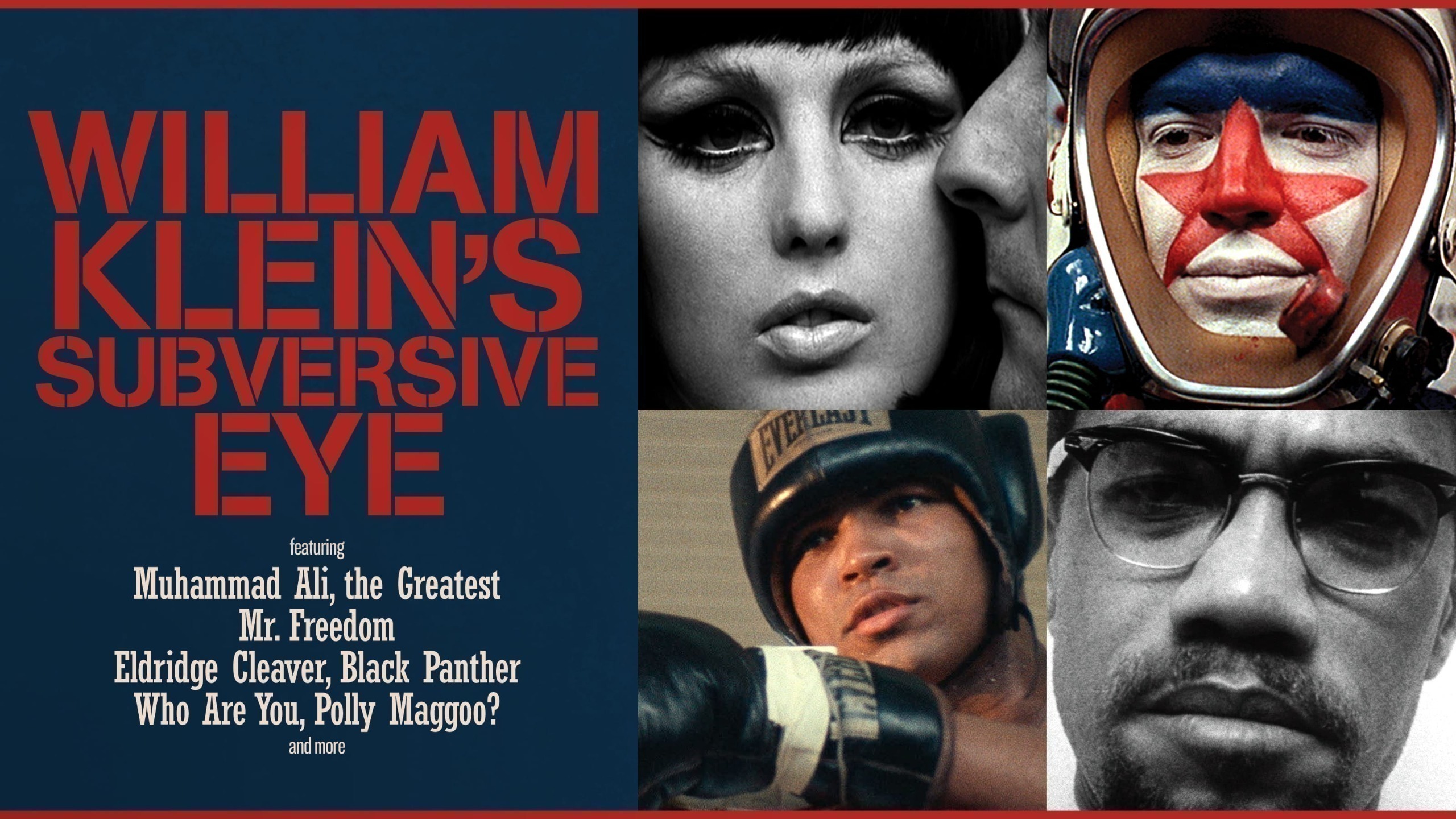
William Klein’s Subversive Eye
WATCH NOW
William Klein’s explosive New York street photography made him one of the most heralded artists of the sixties. As an American expatriate in Paris, Klein also made bold, challenging cinema in a filmmaking career that spanned more than forty years. In his three colorful, surreal fiction features—Who Are You, Polly Maggoo?, Mr. Freedom, and The Model Couple—he skewers the fashion industry, American empire, and governmental mind control with hilarious, cutting aplomb, while his essential documentaries Muhammad Ali, the Greatest and Eldridge Cleaver, Black Panther capture two of the most galvanizing personalities of his time with electrifying immediacy. Still largely overlooked in the United States, his films are audacious, iconoclastic antidotes to all forms of social oppression.
FEATURING: Who Are You, Polly Maggoo? (1966), Mr. Freedom (1969), Eldridge Cleaver, Black Panther (1970), Muhammad Ali, the Greatest (1974)*, The Model Couple (1977)
HOLLYWOOD HITS
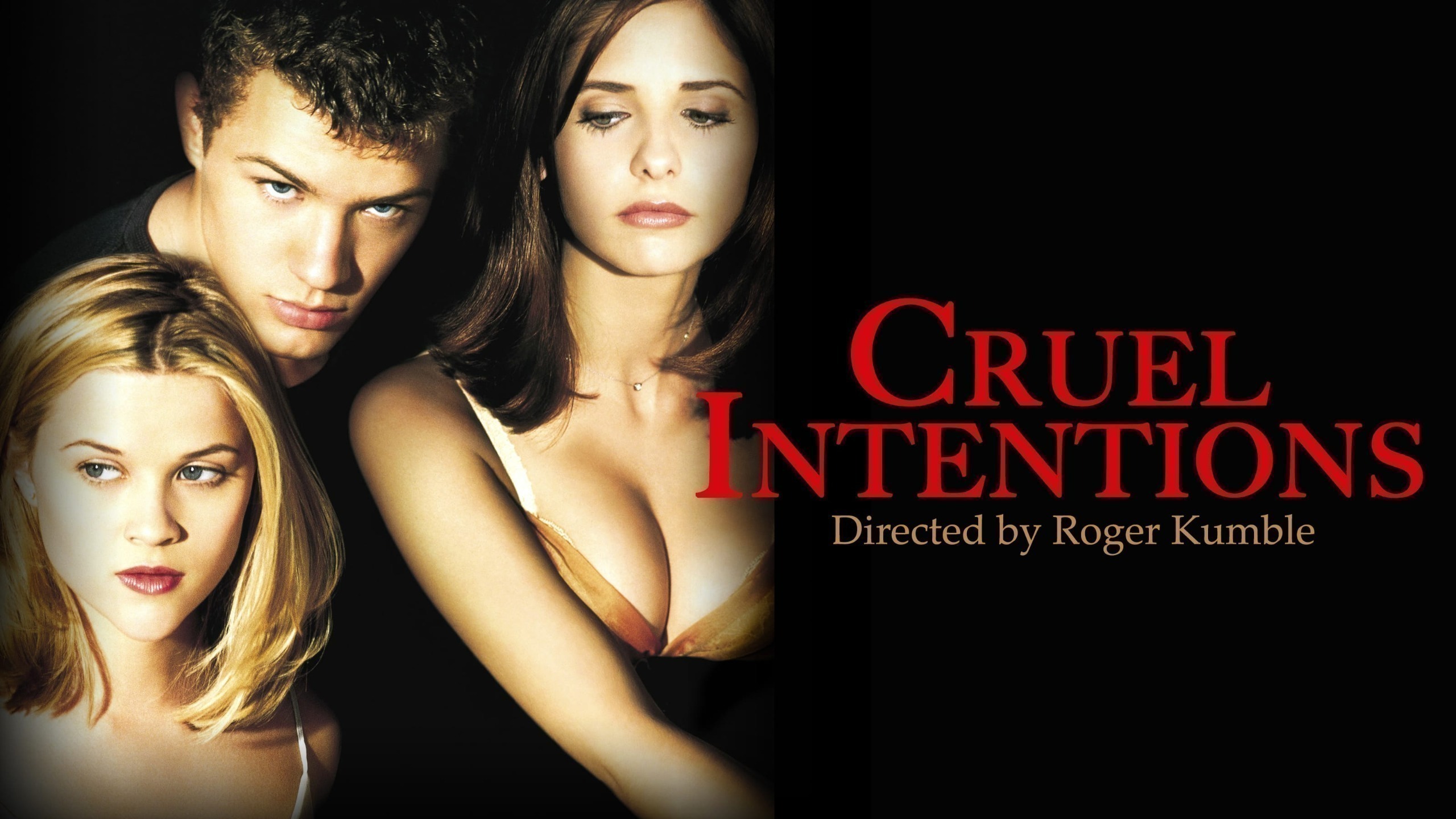
Cruel Intentions
WATCH NOW
Diabolical psychosexual machinations corrupt the halls of a rich-kid Manhattan prep school in one of the most daring teen movies of the 1990s.
TWENTY-FIRST-CENTURY CINEMA

Talking About Trees
WATCH NOW
A cinematic revolution flowers in Sudan as a quartet of veteran filmmakers attempt to establish an outdoor movie theater free from state censorship.
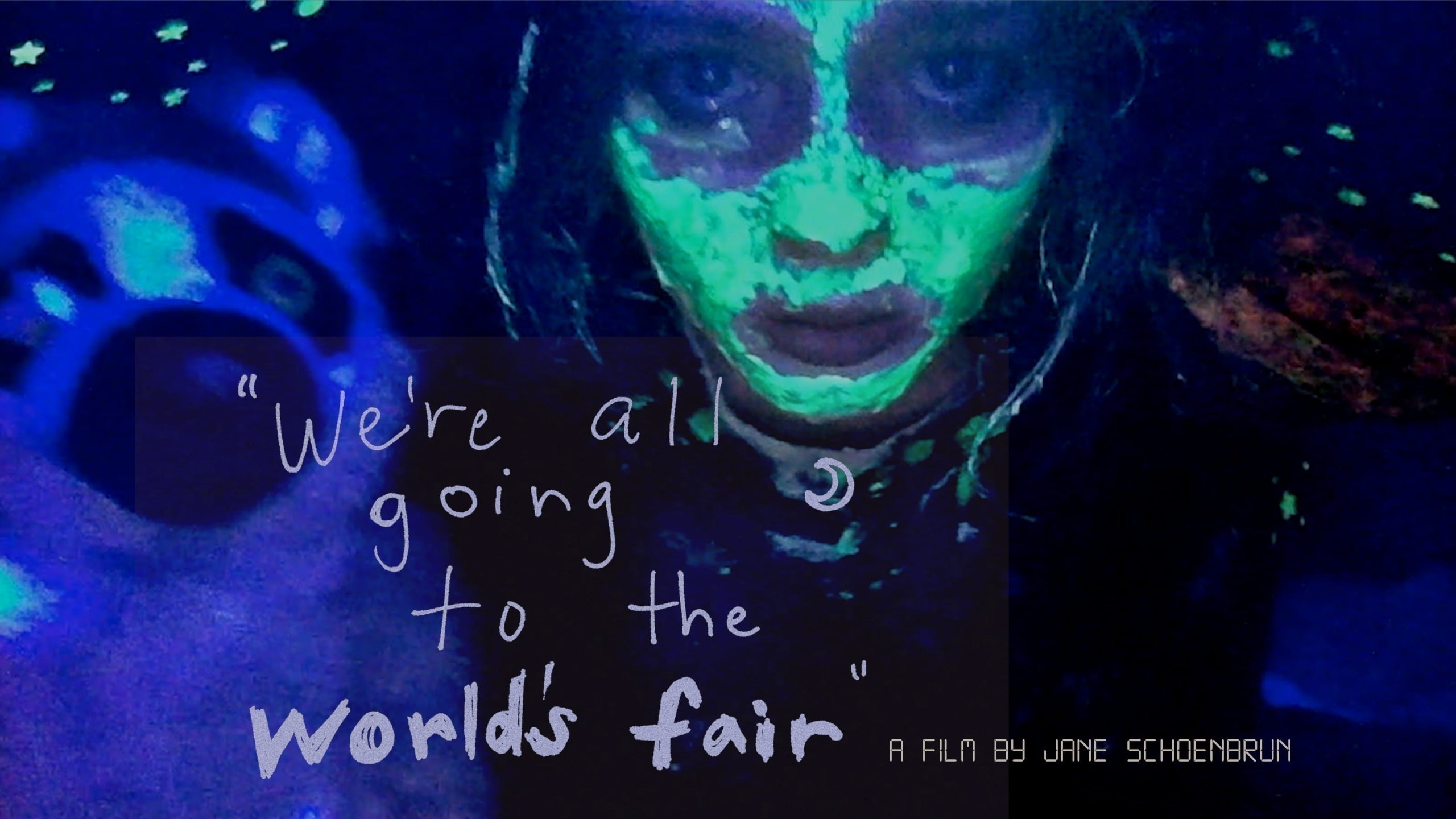
We’re All Going to the World’s Fair
WATCH NOW
A hallucinatory coming-of-age nightmare unfolds as an isolated teenager loses herself in the disturbing digital void of an online role-playing game.
ANIME

Gunbuster: The Movie*
WATCH NOW
Two young women forge a bond while battling alien insects in this exhilarating—and disarmingly poignant—space opera from the creator of Neon Genesis Evangelion.
DOCUMENTARIES
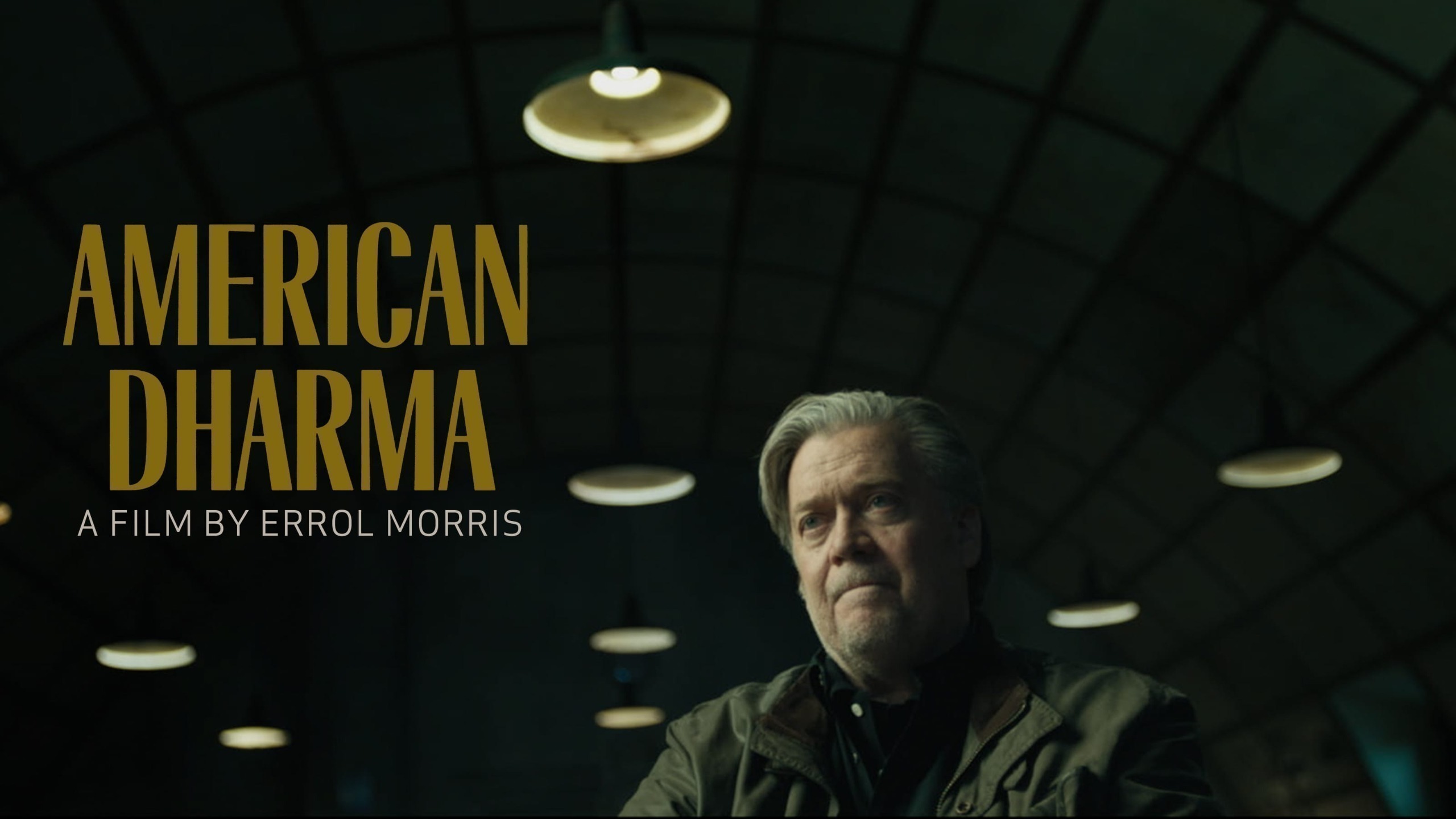
American Dharma
WATCH NOW
Renowned documentarian Errol Morris faces off with one of the most controversial political figures of our time: right-wing firebrand Steve Bannon.
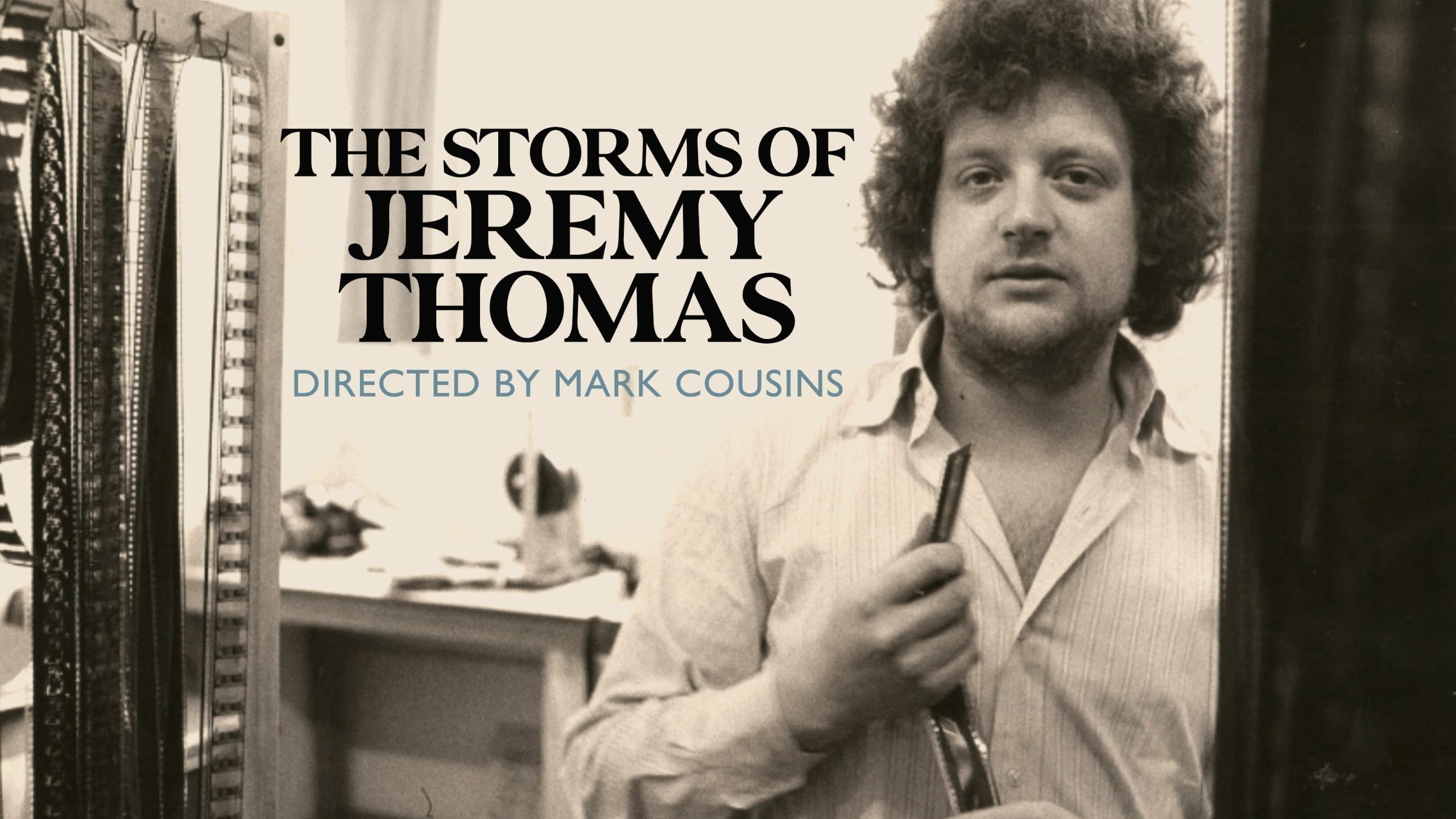
The Storms of Jeremy Thomas
WATCH NOW
Join legendary film producer Jeremy Thomas (The Last Emperor) on a road trip through rural France as he looks back on a life lived in the name of boundary-pushing cinema.
SHORT FILMS
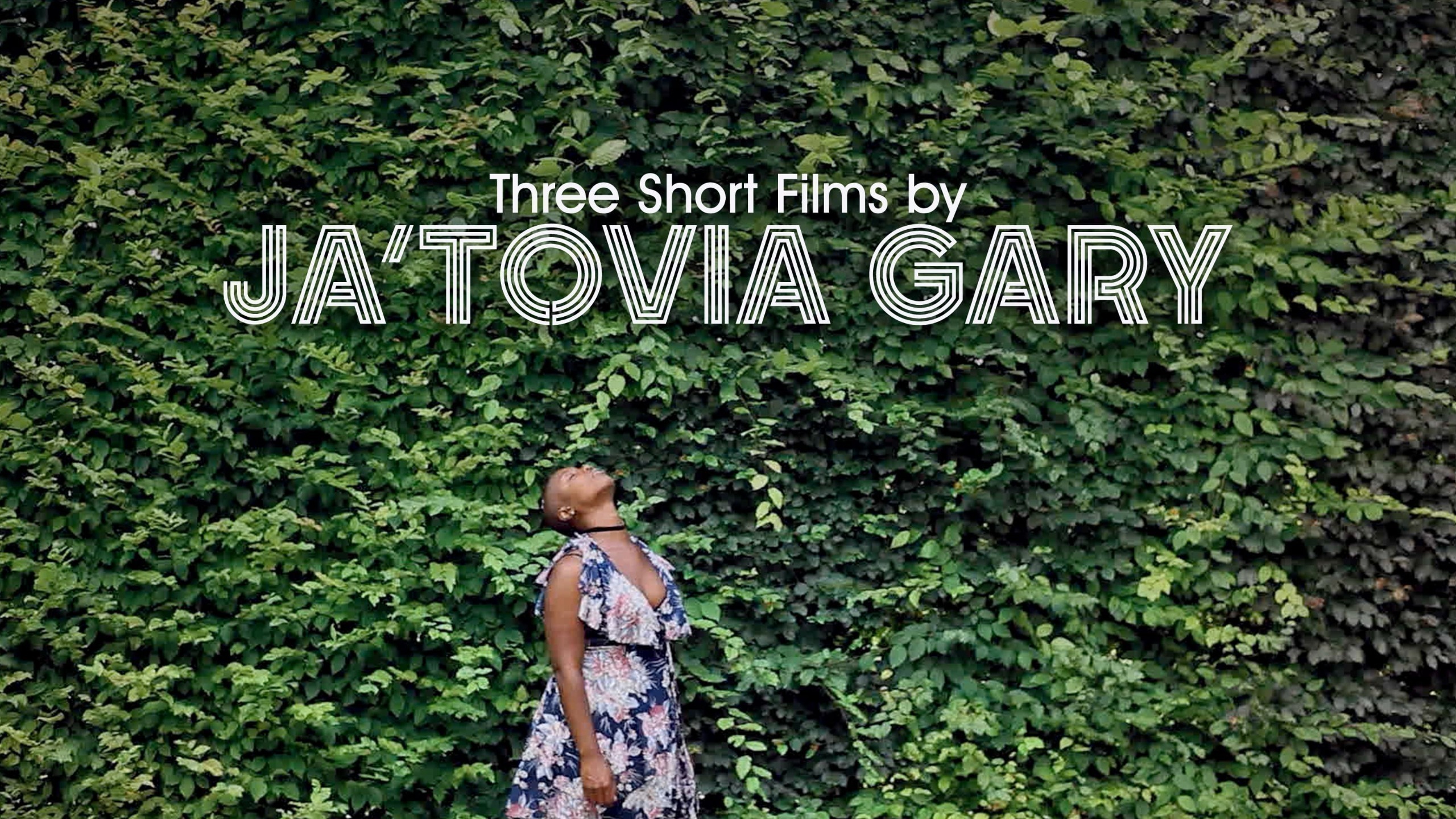
Three Short Films by Ja’Tovia Gary
WATCH NOW
The aesthetically dynamic, shape-shifting films of artist and filmmaker Ja’Tovia Gary combine everything from heavily processed 16 mm archival materials to TikTok videos and woman-on-the-street-style interviews to put Black women and their lived experiences, past and present, in dialogue with one another. Drawing inspiration from Gary’s personal heroes like Toni Morrison and Nina Simone—footage of both of whom she poignantly incorporates into her works—her films are as optically imaginative as they are politically and intellectually rigorous, exploring ideas around care, connectivity, and memory through an intimate, Black feminist lens.
FEATURING: An Ecstatic Experience (2015), The Giverny Document (2019), Quiet as It’s Kept (2023)
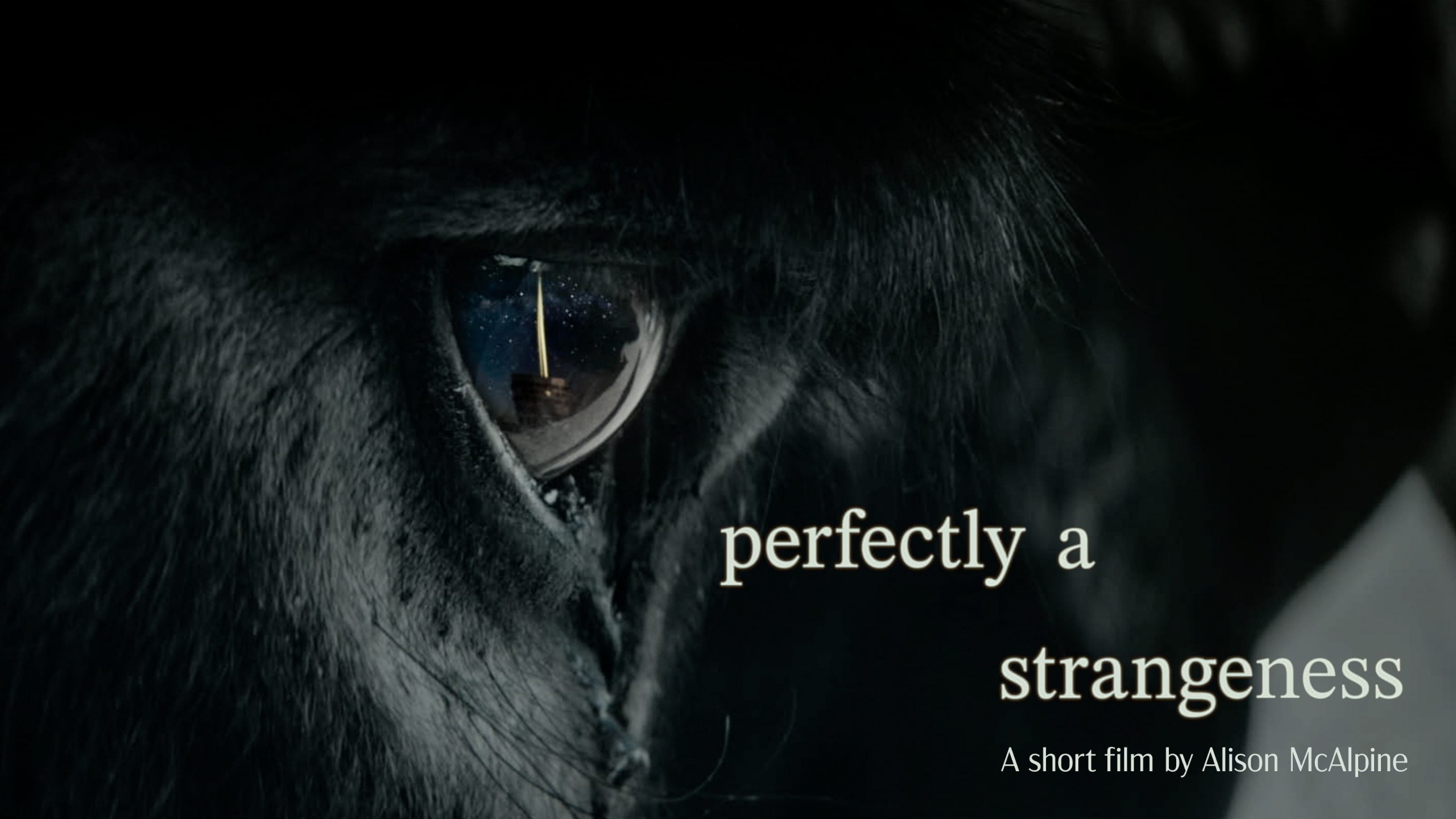
perfectly a strangeness
WATCH NOW
Nominated for a 2026 Academy Award for Best Documentary Short Film
The awe-inspiring majesty of the cosmos is captured through the eyes of three wandering donkeys in this sublimely cinematic, Oscar-nominated documentary short.
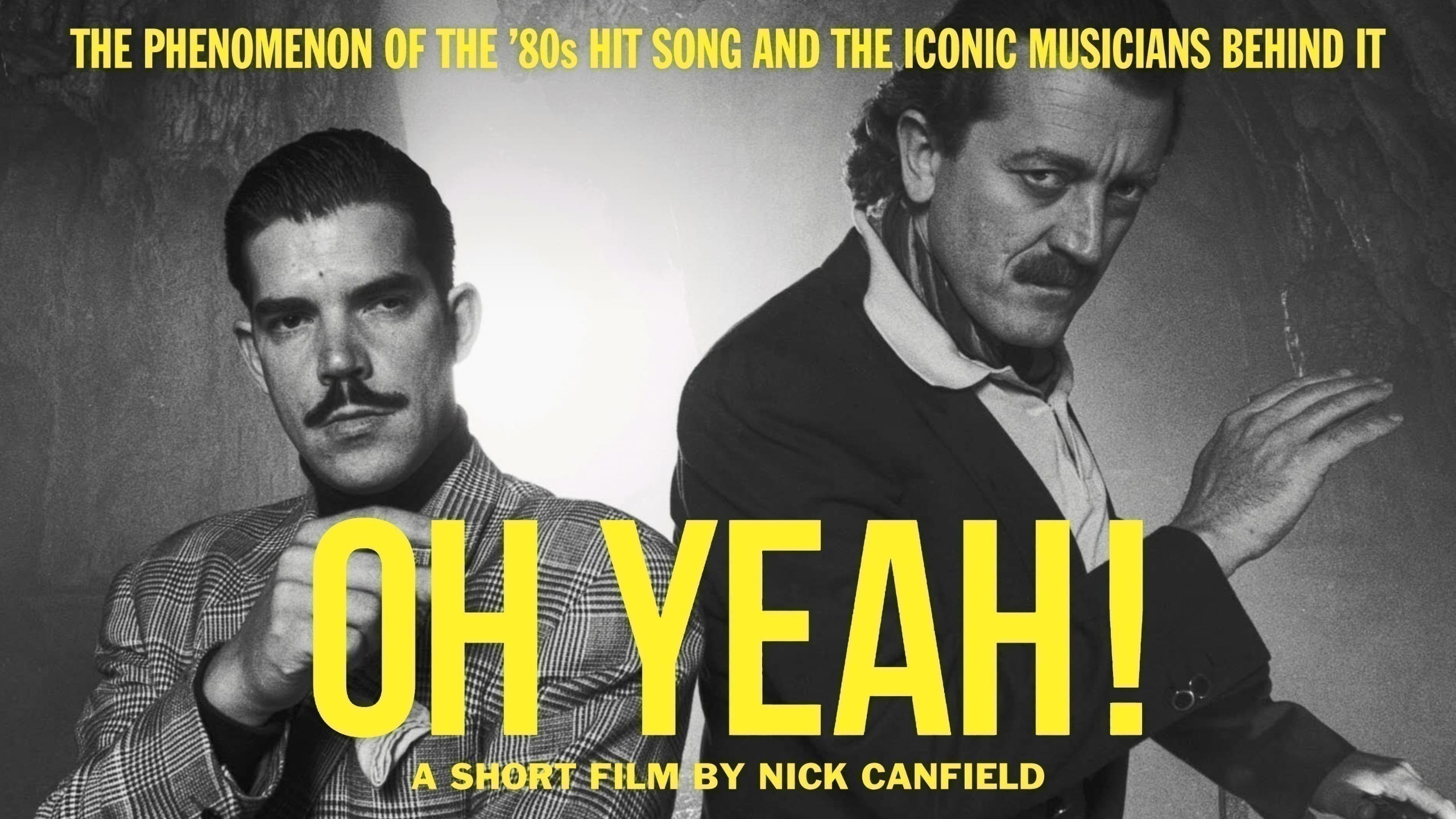
Oh Yeah!
WATCH NOW
Discover the untold story behind the synth-pop anthem that took American culture by storm and became the sound of ’80s excess.
MUSIC FILMS
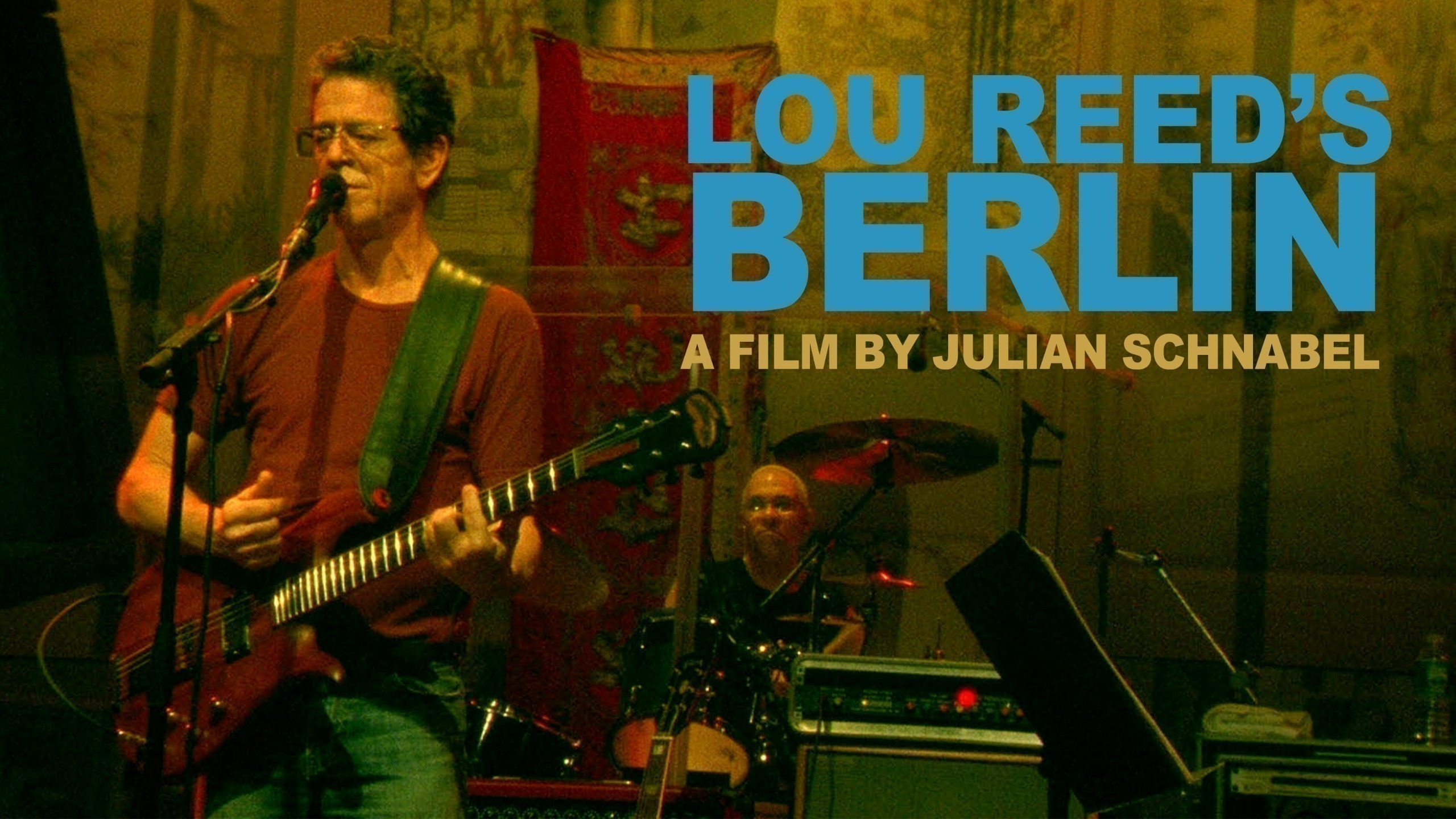
Lou Reed’s Berlin
WATCH NOW
The legendary Velvet Underground frontman revisits his concept-album masterpiece in a soul-shaking live performance filmed by Julian Schnabel.