Berlinale: Be Human Only
Share
The full lineup for the seventy-sixth Berlinale (February 12 through 22) will be presented on January 20, and in the meantime, the festival has announced that composer and artist Max Richter will receive this year’s Berlinale Camera for “outstanding contributions to filmmaking.” Perhaps best known for Sleep (2015), an eight-and-a-half-hour listening experience created with Yulia Mahr, Richter has worked with Ari Folman on Waltz with Bashir (2008), James Gray on Ad Astra (2019), and, most recently, Chloé Zhao on Hamnet (2025). Just last week, Richter was chatting at Club Ciné about one of his favorite films, Hal Ashby’s Harold and Maude (1971).
The Berlinale will also be celebrating the fortieth anniversary of the Teddy Award, which was created to celebrate the best in queer cinema. A special series of six short films and eight features includes Cheryle Dunye’s The Watermelon Woman (1996), a film that, as Cassie da Costa points out, “has outlasted a moral panic as well as Hollywood neglect.”
Jenni Olson’s 2008 short 575 Castro St. pairs images from the set of Gus Van Sant’s Milk with a recording of a speech Harvey Milk delivered in 1977, and for Jonathan Kiefer, writing for KQED in 2009, it “plays like a memory-infused dream, in which all that’s fully palpable is a feeling of absence, the residue of a human soul.”
“A sensitive portrait of childhood just before pubescence,” Céline Sciamma’s Tomboy (2011) “astutely explores the freedom, however brief, of being untethered to the highly rule-bound world of gender codes,” wrote Melissa Anderson in the Village Voice. The Teddy 40 program also features Queens Don’t Cry, a 2002 nonfiction portrait of four drag queens in 1980s West Berlin by the late Rosa von Praunheim.
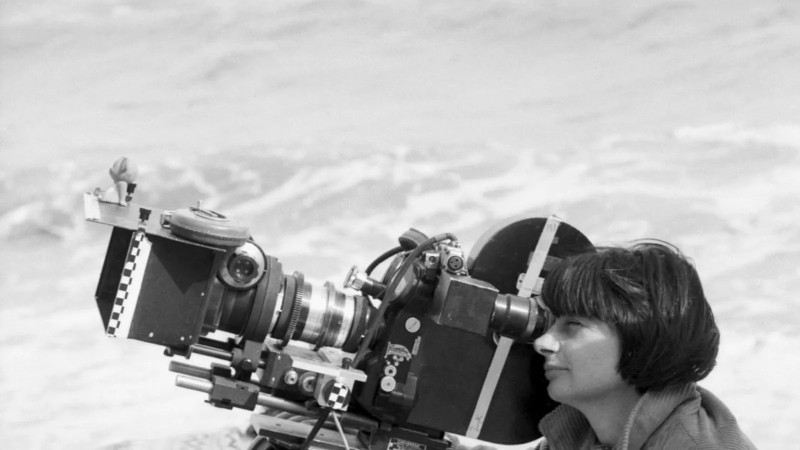
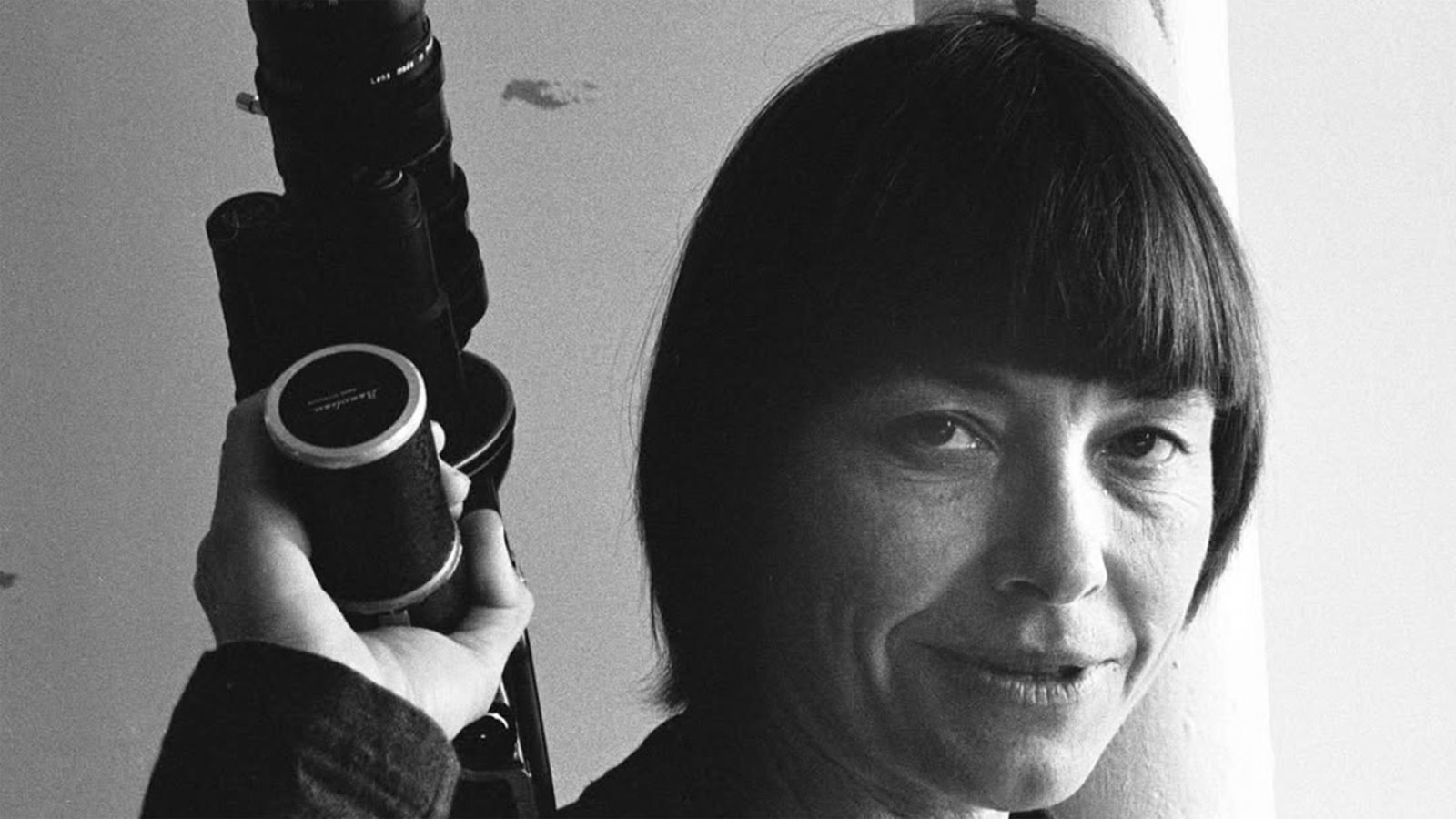
“Be Human Only, Dish Out the Truth” is the theme of this year’s Forum Special. Among the highlights is Barbara Forever, Brydie O’Connor’s portrait of filmmaker Barbara Hammer, who died in 2019. Talking to Sundance, O’Connor says that Hammer is “still under-recognized in the broader history of cinema, even within American avant-garde film and queer cinema. She spent her entire career pushing boundaries in her work, and ultimately didn’t fit neatly into either canon. With this documentary, I hope to offer a narrative and historical intervention.”
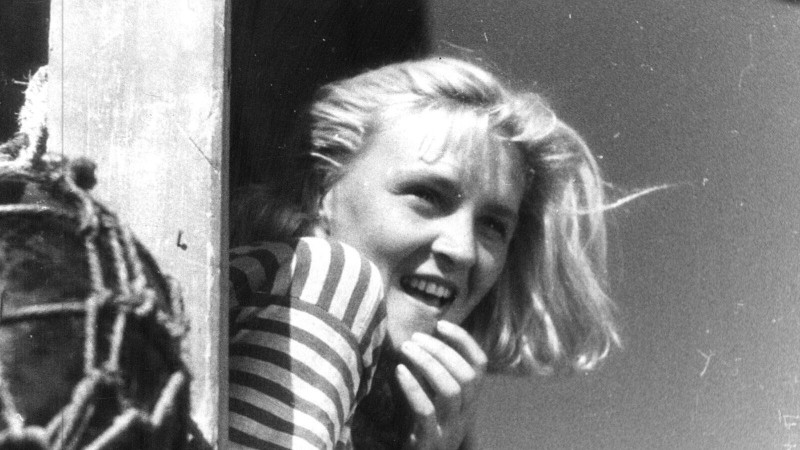
Forum Special will also present the late director Judit Elek’s 1963 short Encounter and 1974 feature A Hungarian Village as well as a new restoration of Charles Burnett’s My Brother’s Wedding (1983), in which a young man is torn between friends and family. “Burnett’s acute handling of actors (most of whom are nonprofessionals) never falters,” writes Jonathan Rosenbaum, “and his gifts as a storyteller make this a movie that steadily grows in impact and resonance as one watches.”
Over the past few years, Radu Jude, who won the Golden Bear at the Berlinale for Bad Luck Banging or Loony Porn (2021), has been working on moving-image projects with historian Adrian Cioflâncă. Their latest is Shot Reverse Shot, a photo essay on American journalist Edward Serotta’s documentation of Jewish life in socialist Romania, which was carried out as secret services clandestinely traced his every move. Overall, the Berlinale Shorts program “once again asserts itself as a vital laboratory for cinematic invention,” writes Vassilis Economou at Cineuropa.
The first round of films announced for this year’s Berlin Critics’ Week (February 9 through 17) includes Arguments in Favor of Love, a nine-minute short by Gabriel Abrantes, who codirected Diamantino (2018) with Daniel Schmidt; Desire Lines, the new feature from Dane Komljen (All the Cities of the North); and Israel Palestine on Swedish TV 1958–1989 (2024), the latest essay film from Göran Hugo Olsson (The Black Power Mixtape 1967–1975).
In other festival news, Sundance (January 22 through February 1) has announced a series of talks and events with guests that include Richard Linklater, Gregg Araki, Ava DuVernay, Barbara Kopple, Ta-Nehisi Coates, and Salman Rushdie. And the lineup of conversations in Rotterdam (January 29 through February 8) includes Tilda Swinton, Olivier Assayas, Kleber Mendonça Filho, Carla Simón, and Hiam Abbass.
Don’t miss out on your Daily briefing! Subscribe to the RSS feed.