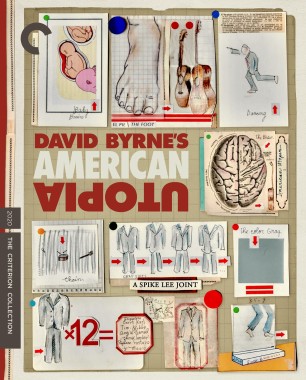
David Byrne’s American Utopia: A Way We Could Work This
Share
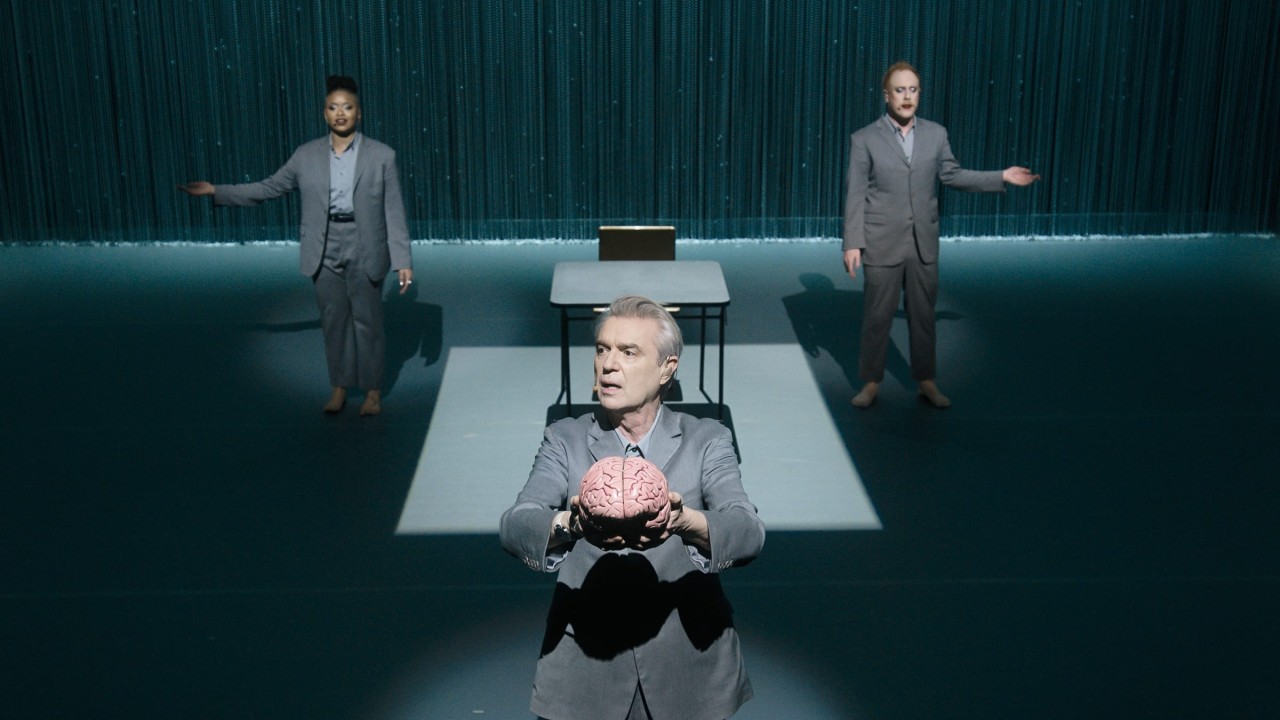
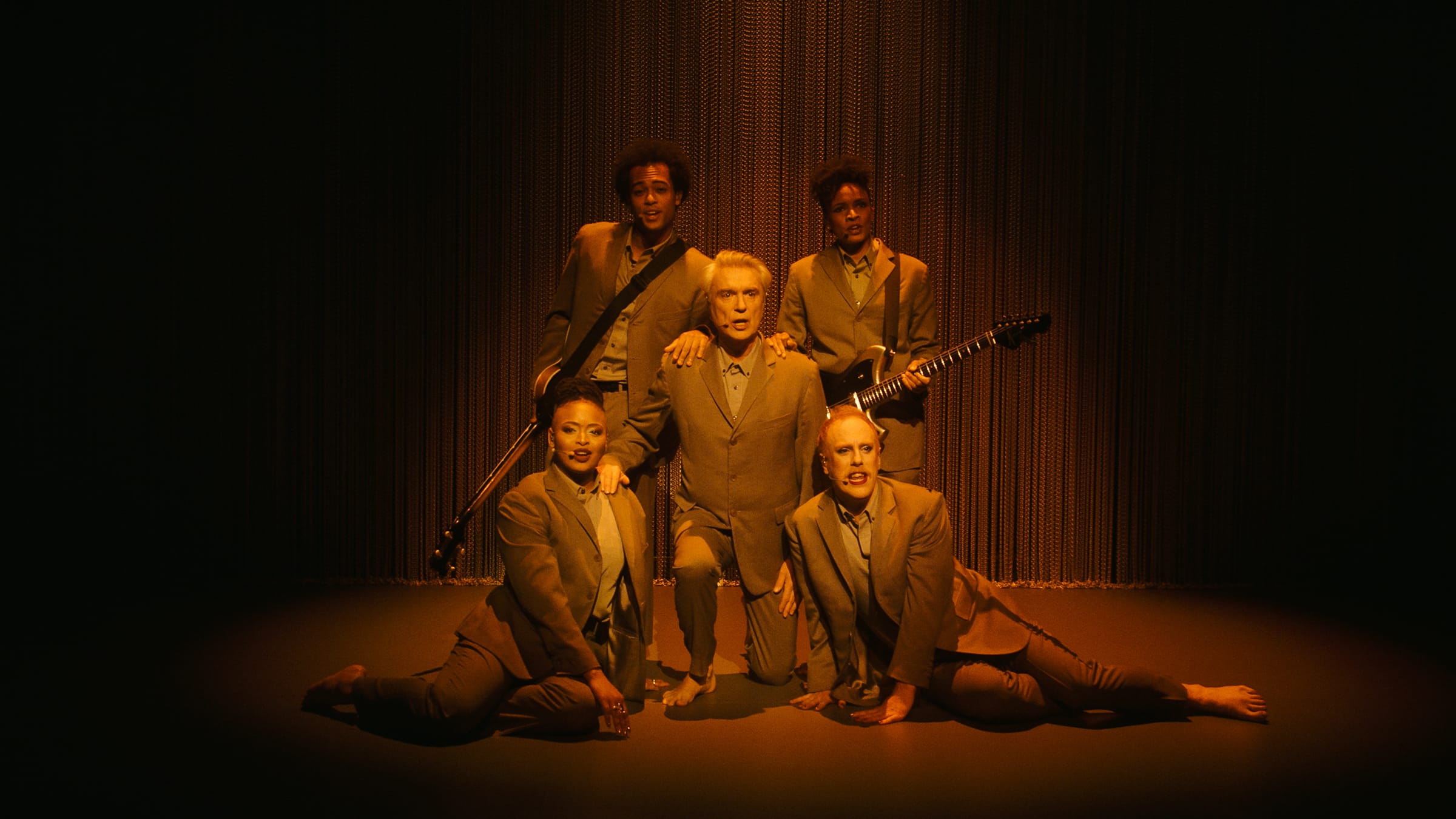
I saw David Byrne’s American Utopia in September of 2021, on one of those radiant New York days when the light is calm and the chaos is symphonic and the breeze feels specifically benedictive. My friend Lizzy—we hadn’t met in person yet; it was a semi-blind date—had invited me to the matinee. I’d been out of the city for most of the stage show’s original run, in 2019 and early 2020, and in the elapsed time my life had been like quicksilver. There’d been a book, the nauseating gift of publicity, a pregnancy and a birth and a baby, all the associated mutations and leakages of self; of course there was also the pandemic, the quarantine, the uprisings, the Minneapolis police precinct burning, the birds changing their songs—all of it coalescing into some sort of dolly zoom toward a window of radical collective transformation. A year later, though, everything was already reversing: we were going back toward our buy-now digital silos, our surface distractibility, and now with a considerable portion of the country’s population unhinged from reality via misinformation and conspiracy. Throughout this entire period—and for the first time in my post-elementary-school life—I had been unable to really listen to music because I missed people so badly, missed being with them in dark, crowded rooms; music made that longing unbearable. All of this and a bit of psilocybin is why I started to cry as soon as the chain-link curtain began rising, shimmering, literalizing the ache in me as well as its answer. Clarity, direction, emerging from the heap. David Byrne, barefoot in a gray suit, holding a brain, about to cross the divide over and over. Here there is something we call elucidation, he sang.
More: Essays
God Laughs: Stanley Kubrick’s Cinema
Throughout his enormously influential body of work, the great director explored the conflict between humankind’s obsession with control and our capacity for error and failure.
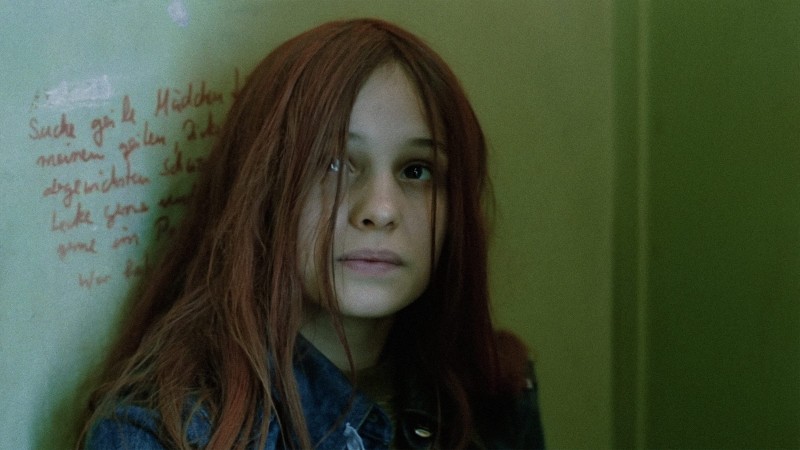
Christiane F.: Up Against the Wall
Uli Edel’s harrowing tale of youth rebellion is one of cinema’s greatest Berlin films, a visceral urban portrait that captures the city’s doom and decadence during the Cold War era.
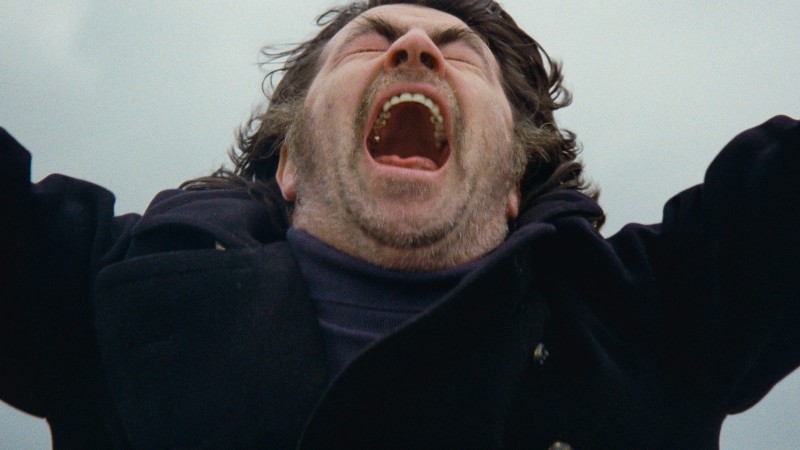
The Shout: Sound and Fury
Blending elements of psychological thriller, social satire, and psychedelic film, Jerzy Skolimowski’s Cannes-award-winning classic uses its audacious sound design to evoke the terror of English civilization.
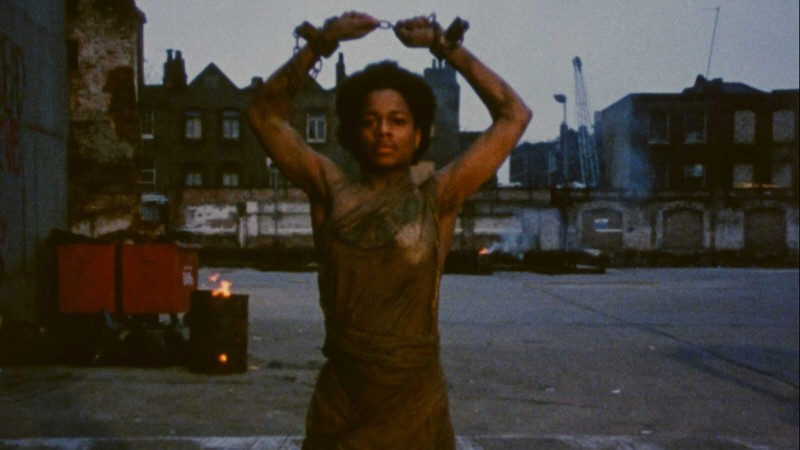
Welcome II the Terrordome: The Future Is Furious
A dystopian drama that draws on the influences of African mythology and hip-hop, Ngozi Onwurah’s debut feature uses a mix of speculative forms to expose anti-Blackness as a system that underpins the modern world.