
David Byrne’s American Utopia: Here
Share
American Utopia: it’s quite a name, fitting for an artistic project that David Byrne released first, in 2018, as a full-length album, then turned into a concert tour that hit twenty-six countries across more than one hundred performances, evolving as it went. He next reimagined it as an elaborate but intimate production for the Broadway stage, a conceptual work about the inward self turning outward—learning to shift its attention from its own contours toward making sense of everything going on outside, in the minds and lives of other people and in the world at large, and discovering the satisfactions that such connection offers.
That show closed on its own terms in February 2020—a month before COVID-19-induced lockdowns would have shut it down anyway (it would have another uplifting run in 2021–22). There is no future in nostalgia—if anything, the experience of American public life since American Utopia’s release in album form has been an object lesson in the mortal dangers of a blinkered romanticization of the past. Even so, it’s difficult now, in 2025, to look back at that moment in early 2020 without yearning for a near past. The world changed between that February and the release of the American Utopia film later that year. It has continued to shift under our feet in the years since, and the cultural psyche with it. Let us count the ways. Perhaps that is what makes that moment seem just close enough to touch but far gone enough to feel, from our current vantage, irreconcilable if not impossible.
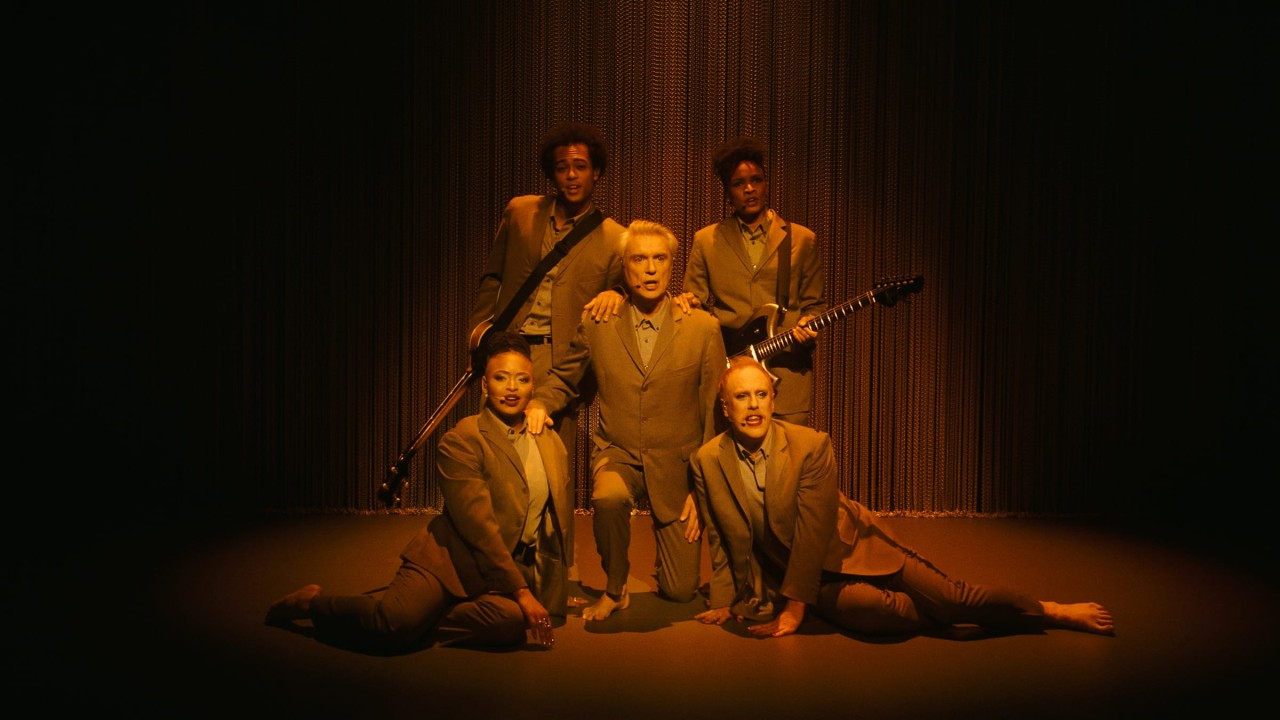
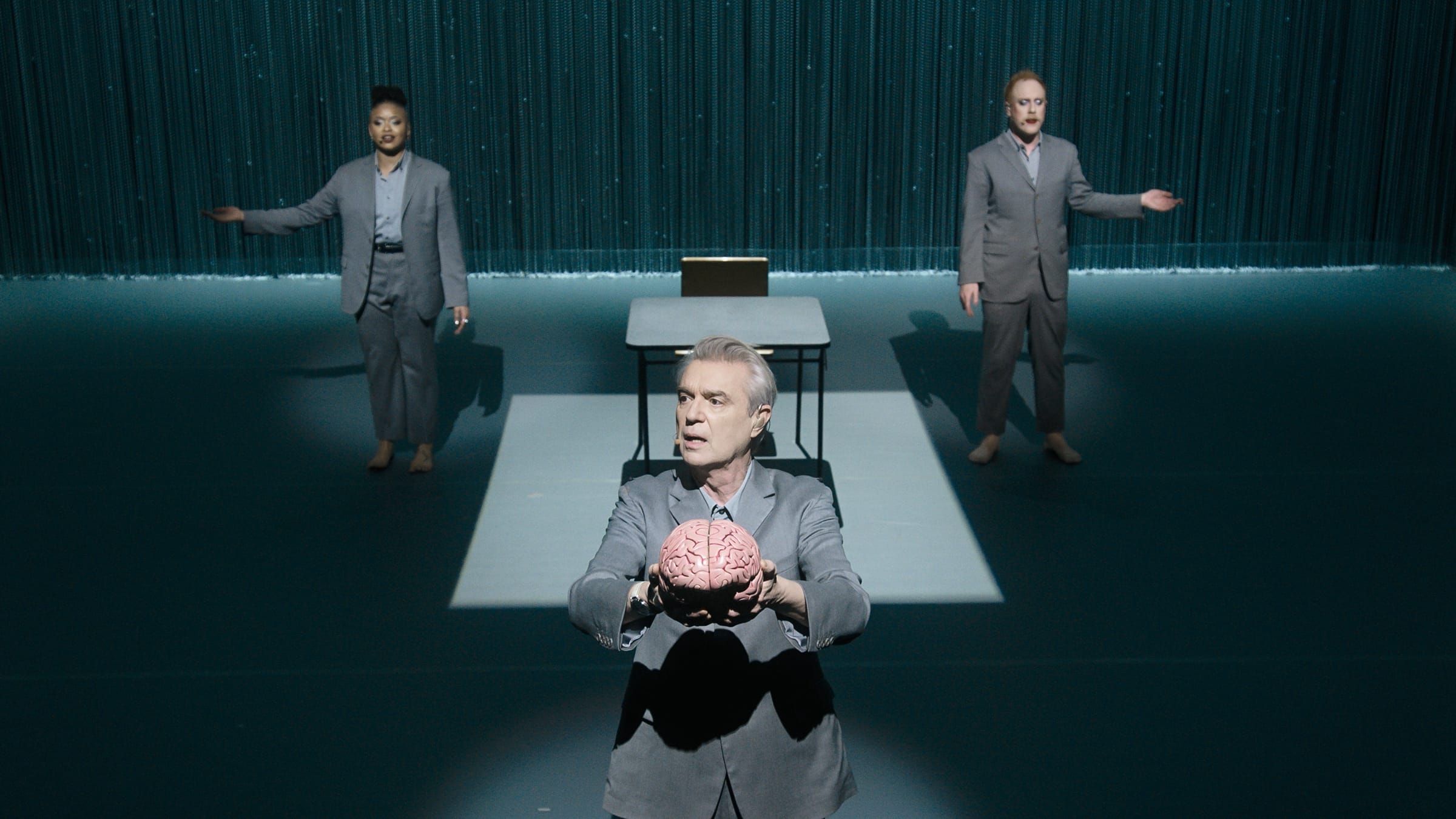
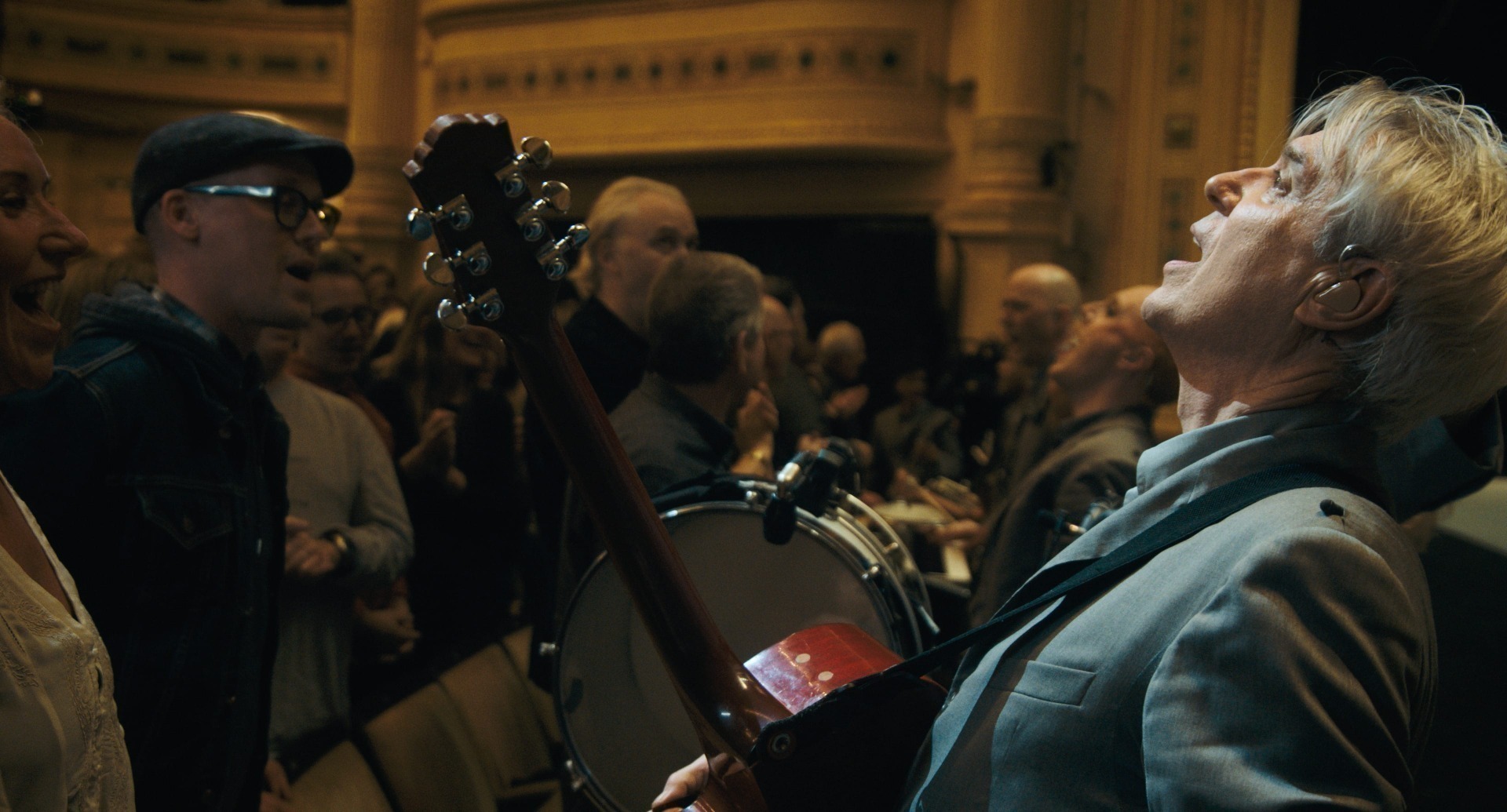
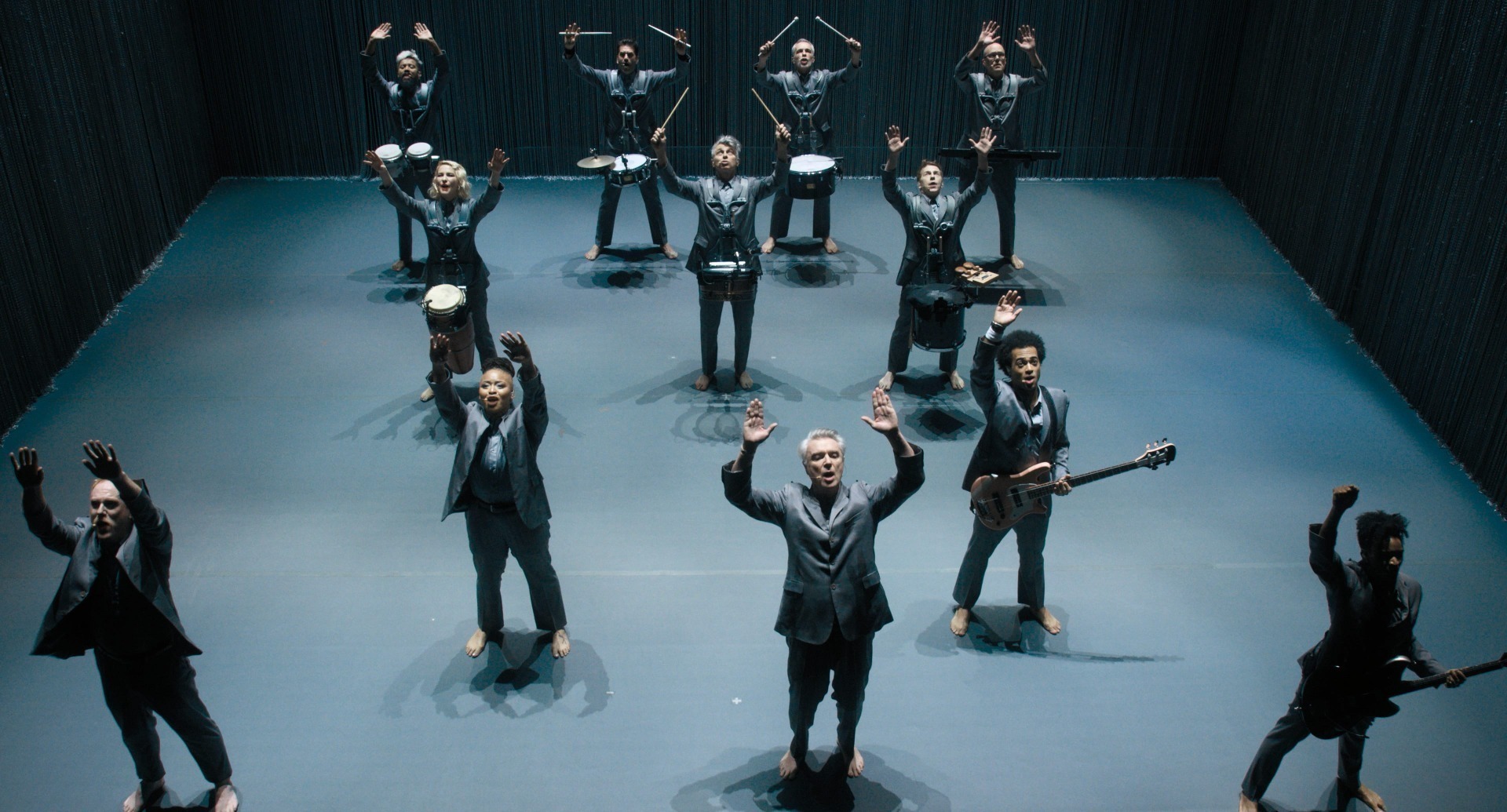
The Spike Lee–directed film version of the show, David Byrne’s American Utopia, premiered in September 2020 amid mask mandates, vaccine trials, wildfires, and ongoing protests against police violence. It documents a live performance of songs from the album American Utopia, mixed with various crowd-pleasers from the catalog of the Talking Heads, Byrne’s seminal post-punk band—foot-stompers like “Burning Down the House” and “Once in a Lifetime”—and “Say Her Name (Hell You Talmbout),” a protest song by Janelle Monáe. Interspersed with these songs is a series of spotlit interludes in which Byrne speaks directly to the audience. Introducing “Everybody’s Coming to My House,” from the 2018 album, he notes that he wrote the song in a mood of wariness: the lines “Now everybody’s coming to my house / And I’m never gonna be alone” are not sung with a sense of invitation. But, he tells us, he heard a rendition by a high-school choir from Detroit that took those same lyrics and infused them with welcome, with a sense of joy at the possibility of community. American Utopia is as much about trying to be as it is about trying to see. It is driven less by a thesis than by an emergent curiosity about what this kind of shift in meaning makes possible, a thrilled fascination delivered in Byrne’s likable, exploratory tone, gently informative like something out of a public-television special. “Most of us are immigrants,” the Scottish-born Byrne tells us, “and we couldn’t do it without them.”
More: Essays
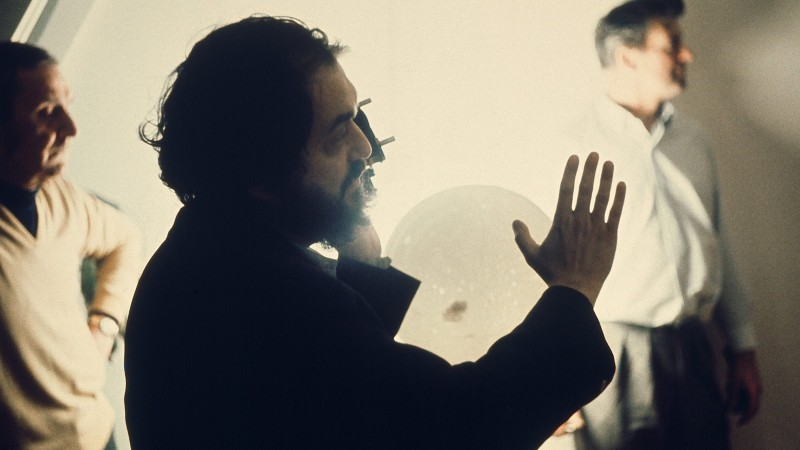
God Laughs: Stanley Kubrick’s Cinema
Throughout his enormously influential body of work, the great director explored the conflict between humankind’s obsession with control and our capacity for error and failure.
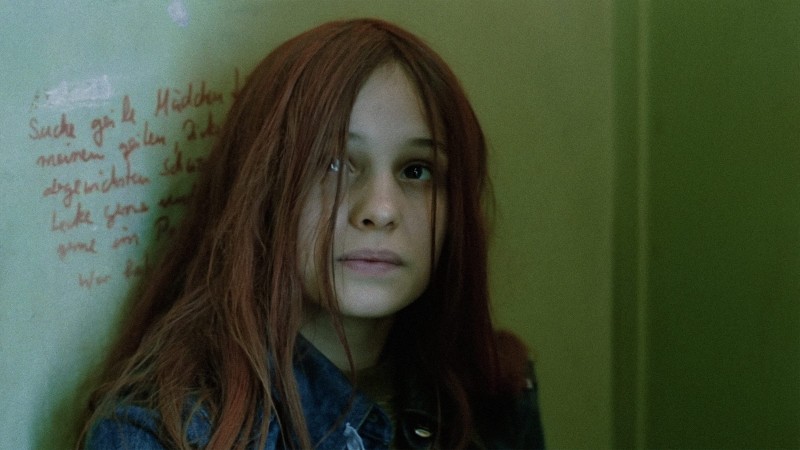
Christiane F.: Up Against the Wall
Uli Edel’s harrowing tale of youth rebellion is one of cinema’s greatest Berlin films, a visceral urban portrait that captures the city’s doom and decadence during the Cold War era.
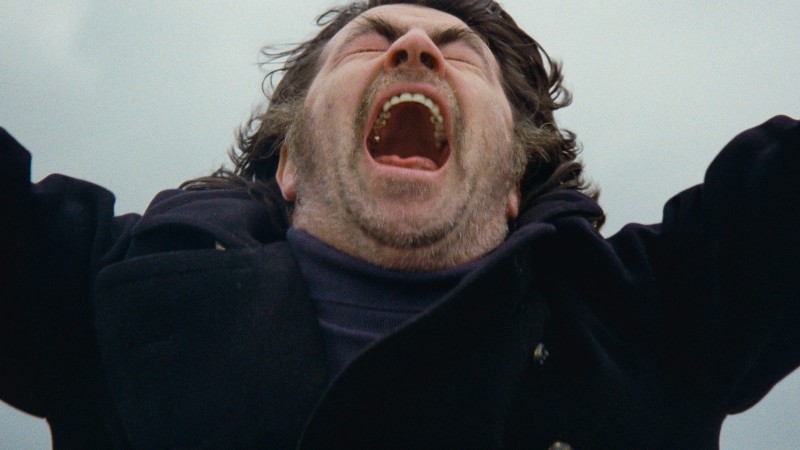
The Shout: Sound and Fury
Blending elements of psychological thriller, social satire, and psychedelic film, Jerzy Skolimowski’s Cannes-award-winning classic uses its audacious sound design to evoke the terror of English civilization.
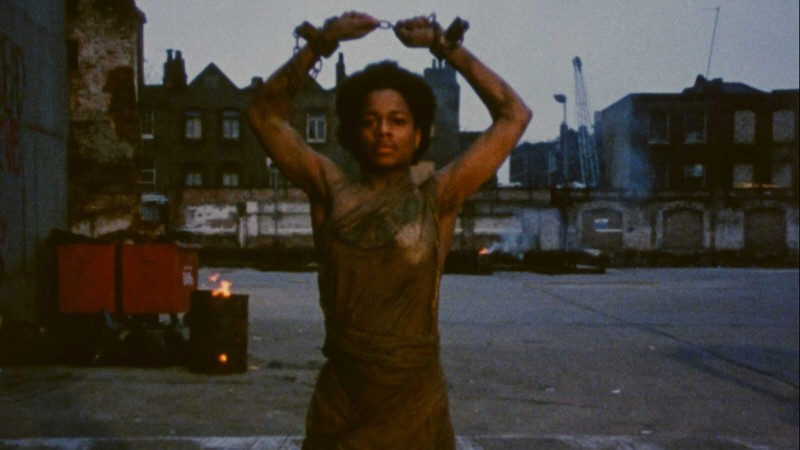
Welcome II the Terrordome: The Future Is Furious
A dystopian drama that draws on the influences of African mythology and hip-hop, Ngozi Onwurah’s debut feature uses a mix of speculative forms to expose anti-Blackness as a system that underpins the modern world.