Arthur Jafa and Besidedness
Share
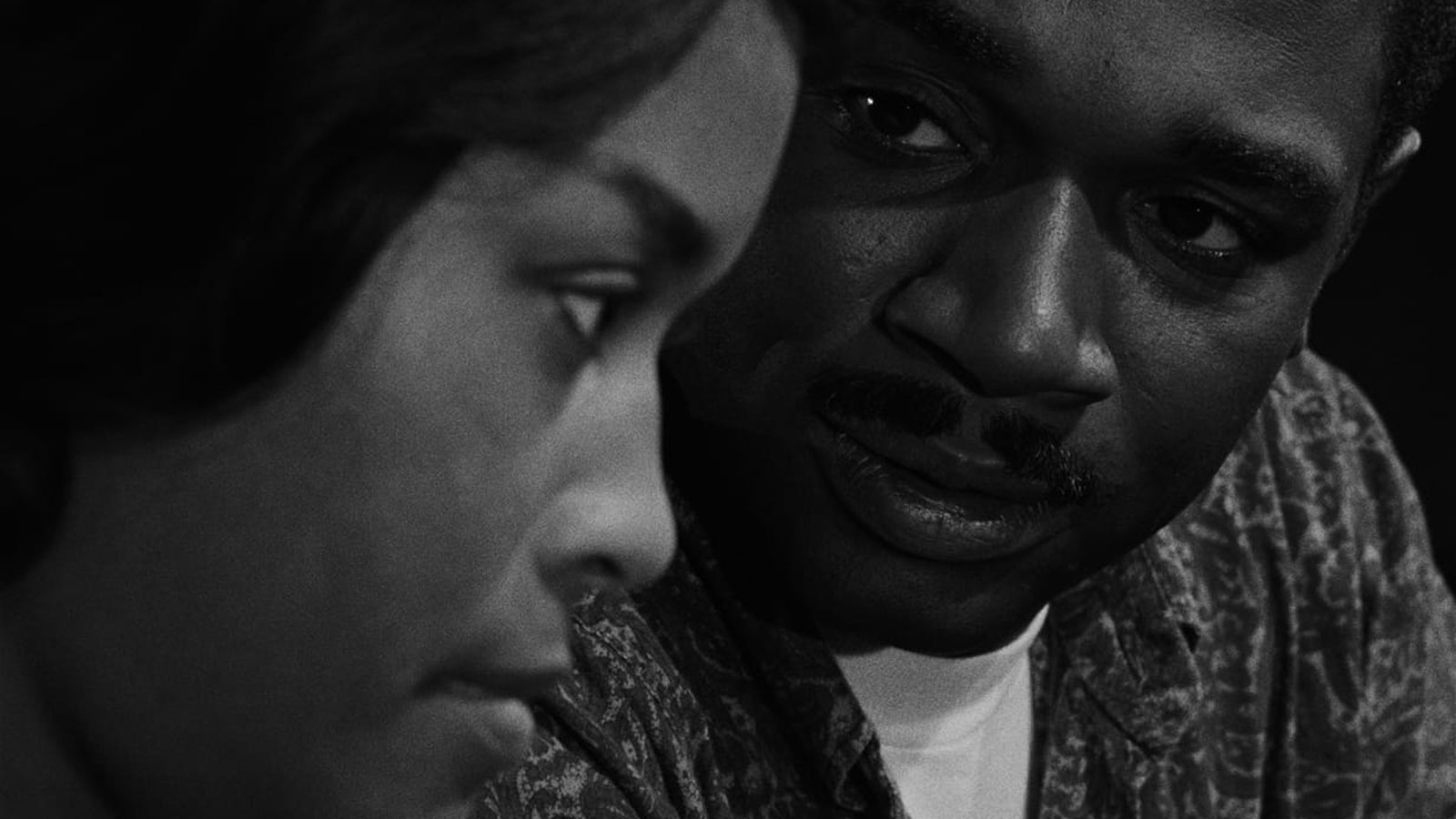
“I’m fascinated by the potential and actual friction, conceptual triggering, and meaning-making that happens when you put one thing next to another thing,” Arthur Jafa tells Thomas Lax, a curator in the Department of Media and Performance at the Museum of Modern Art. “And I’m most intrigued by the forced structural relationship of entities who find themselves swept up in something that they didn’t ask for, that they didn’t conceive or even acquiesce to.” In a word, Jafa is “interested in, to borrow a term I’ve seen people start to use recently, besidedness.”
Collage, assemblage, montage, or what Jafa calls “surprising juxtapositions that aren’t thought but are more felt” have in one form or another been motivating principles in his work. In the summer of 1980, one of Jafa’s teachers at Howard University, LA Rebellion filmmaker Haile Gerima, sent him to Los Angeles to work as an assistant cameraman on My Brother’s Wedding (1983), Charles Burnett’s follow-up to Killer of Sheep (1977). Once the shoot wrapped, he moved in with the first assistant director, Julie Dash.
Jafa shot Dash’s Daughters of the Dust (1991) and brought in painter Kerry James Marshall to work as their production designer. As an in-demand cinematographer, Jafa then worked with John Akomfrah on Seven Songs for Malcolm X (1993) and with Spike Lee on Crooklyn (1994) before doing some second-unit work on Stanley Kubrick’s Eyes Wide Shut (1999). He shot music videos for Solange and directed a few for Jay-Z and Kanye West.
As a solo artist, Jafa broke through with Love Is the Message, The Message Is Death. “A century of police brutality and political gains, of triumph, tragedy, and resilience has been distilled into seven lyric and searing minutes of rapid-fire clips culled from a passel of sources,” wrote Andrea K. Scott in the New Yorker a few months after the video installation premiered at Gavin Brown’s enterprise gallery in 2016. Four years later, Calvin Tomkins, who had been writing about art for the New Yorker for forty years, called Jafa’s “sequence of a hundred and fifty film clips of Black people in the maelstrom of American life” the “most spellbinding art work of the past decade.”
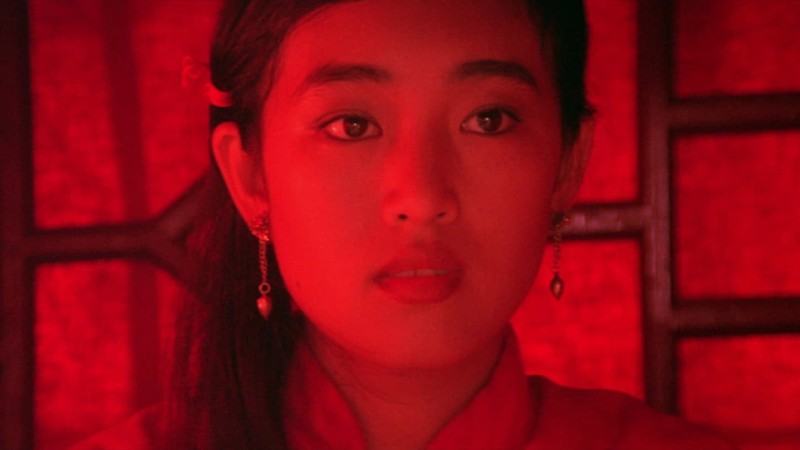
Jafa has now selected more than a hundred works from MoMA’s collection and paired or clustered them to curate Less Is Morbid, an exhibition on view through July 5. He’s also programmed a Carte Blanche film series of four pairings that opens this evening and runs through Wednesday. Ten Minutes to Live (1932), an hourlong pre-Code Hollywood film set in a Harlem nightclub, “represents the worst and best” of Oscar Micheaux, found Michael Pattison when he wrote about a 2014 retrospective for Notebook. Ten Minutes is set next to Wong Kar Wai’s In the Mood for Love (2000), which filmmaker Isabel Sandoval (Lingua Franca) has called “a sustained high from start to finish.”
Friday brings Jean Rouch’s Moi, un noir (1958), featuring immigrants from Niger to Abidjan, the capital of the French colony Côte d’Ivoire, playing versions of themselves. Jean-Luc Godard called this winner of the Prix Louis Delluc, “in effect, the most daring of films and the humblest,” so it’s only fitting that Jafa has paired it with Breathless (1960). Godard’s debut feature is never far from our minds, but it feels especially alive this year as Richard Linklater’s Nouvelle Vague not only chronicles its making but also conjures the milieu from which it sprang.
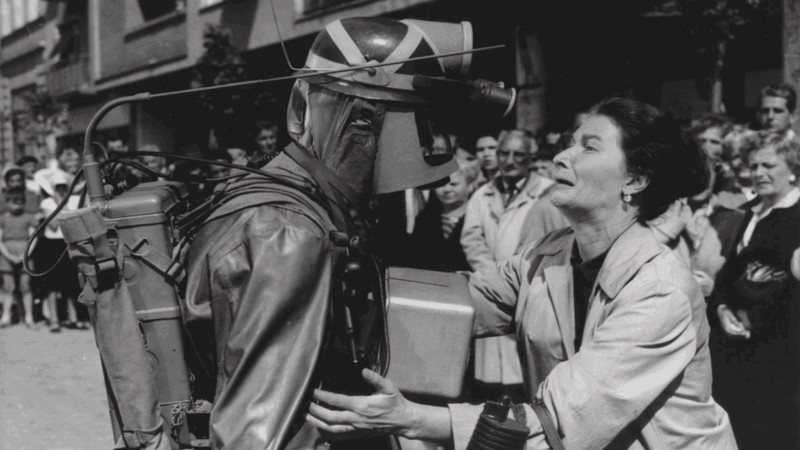
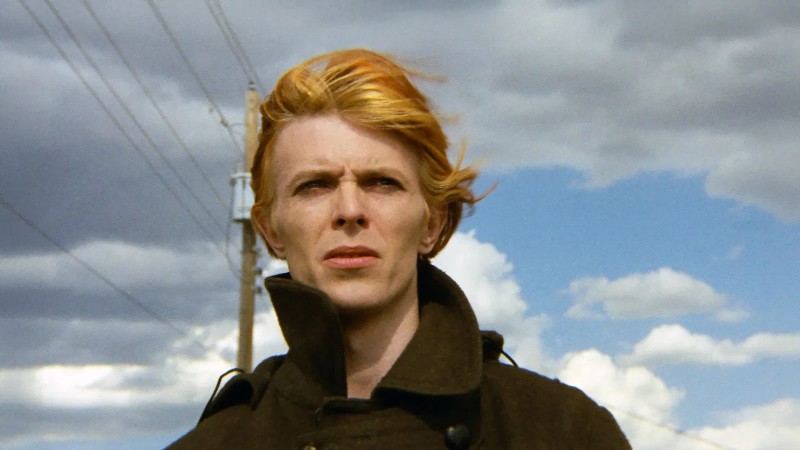
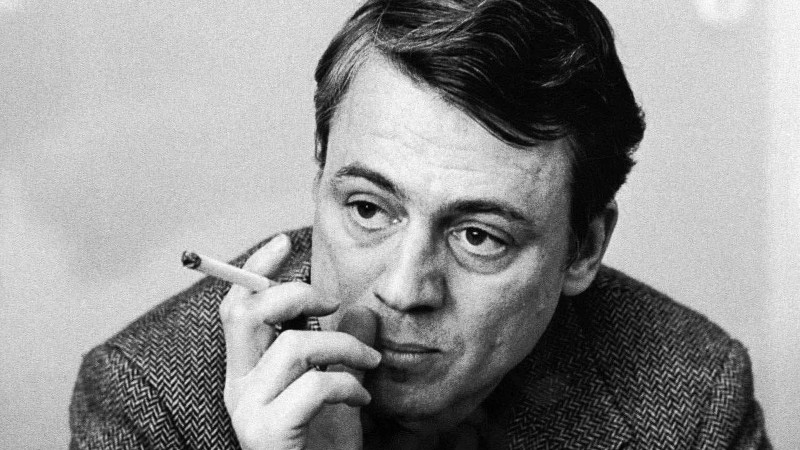
MoMA tells us that Jafa was thinking of “the disparate postwar ideologies of the capitalist United States and communist Soviet Union” when he programmed Francis Ford Coppola’s The Godfather: Part II (1974) with Andrei Tarkovsky’s Mirror (1975). Coppola’s sequel more than measures up to the first Godfather, and as the Guardian’s Steve Rose has put it, it has “the added universal pull of an immigrant family rooting itself in America, and finding its own survival strategies, however extreme, when it turns out the American Dream is already a closed shop.” When he made his “most personal film,” Tarkovsky “had come no closer to a resolution of the tortured ambivalence toward his nation that seemed the lot of the Russian artist,” writes Carmen Gray.
Jafa’s fourth double bill places Killer of Sheep next to Nothing but a Man (1964). One of the reasons Jafa was eager to join the crew of Charles Burnett’s My Brother’s Wedding was that he considered Killer of Sheep at the time to be the best film yet made by a Black director. The late Michael Roemer was not Black, but writing about Nothing but a Man last year, Gene Seymour noted that this “deceptively simple story of a Black man seeking love and self-worth in a society where the odds of finding both are heaped against him gave me a jolt of recognition to a degree I’d never before encountered in a big-screen depiction of working-class Black America.”
Don’t miss out on your Daily briefing! Subscribe to the RSS feed.