Early Mamoru Oshii
Share
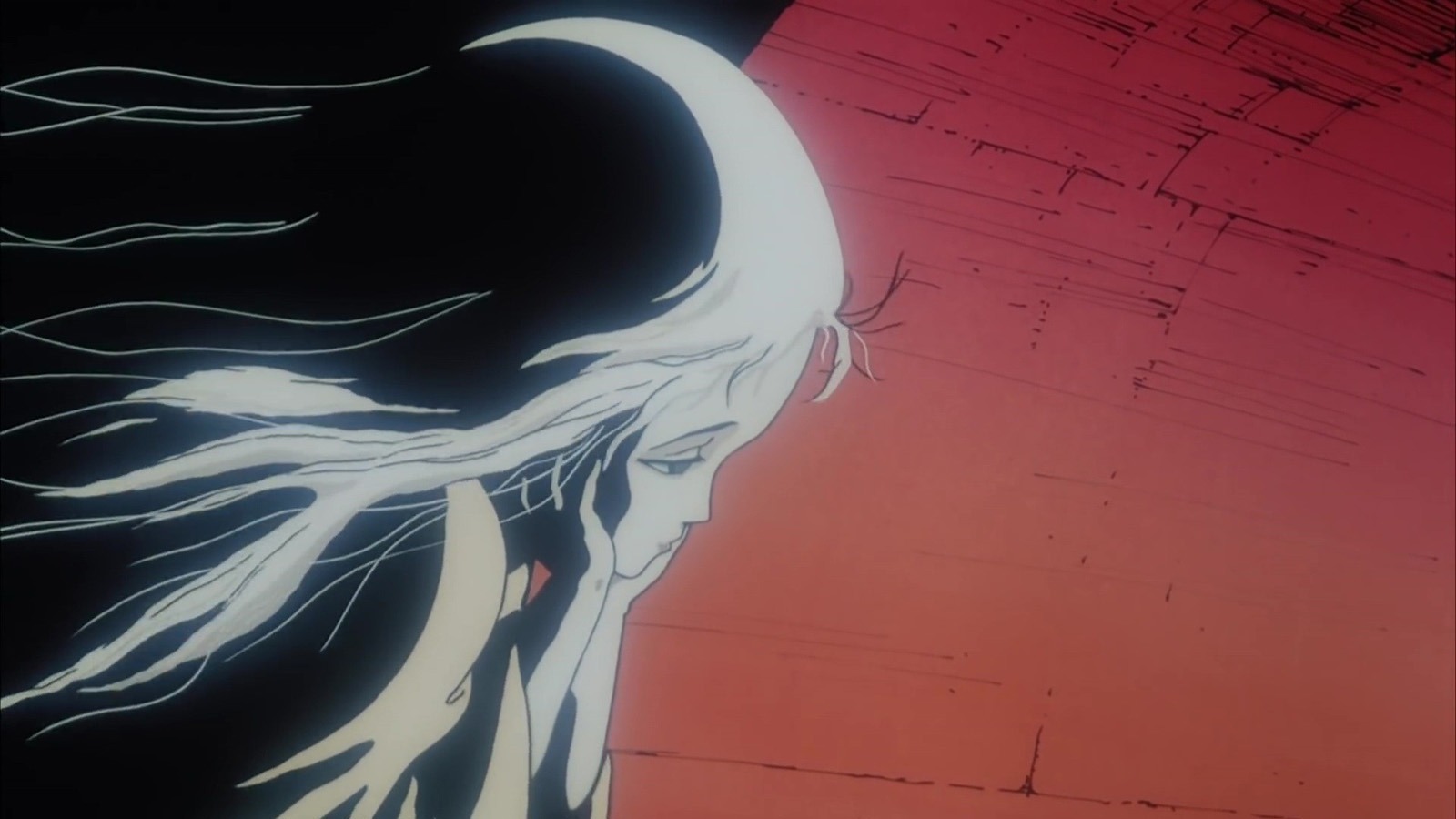
Ten years before unleashing his cyberpunk noir Ghost in the Shell (1995)—James Cameron has called it “a stunning work of speculative fiction,” and the Wachowskis screened Ghost when pitching The Matrix (1999) to their producers—Mamoru Oshii made a seventy-one-minute original video animation with no more than four minutes of dialogue. Angel’s Egg (1985) is “a stoic, ethereal vision quest of a film,” writes Eli Friedberg at the Film Stage, “notorious among anime and cult enthusiasts for resisting explanation, and one which more readily invites comparisons to Cocteau, Tarkovsky, and Jodorowsky than other anime.”
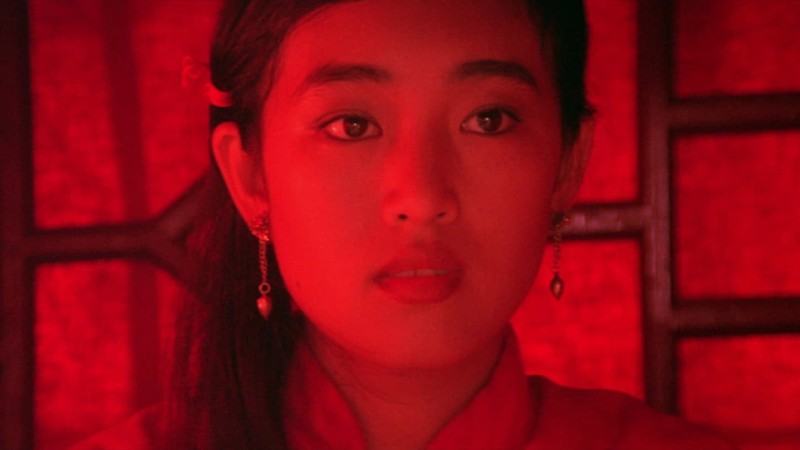
As a new restoration opens nationwide on Wednesday, New York’s Metrograph is presenting Mamoru Oshii Restored: Origins and Inspirations, a series that includes Angel’s Egg and The Red Spectacles (1987), Oshii’s first live-action feature, as well as a few of Oshii’s own selections, including Andrei Tarkovsky’s Stalker (1979), naturally, but also Atsushi Yamatoya’s Inflatable Sex Doll of the Wastelands (1967). “Ostensibly the story of a rogue cop evading an oppressive state,” wrote Tasha Robinson at the A.V. Club in 2003, The Red Spectacles “presents a disturbing dystopic dream that plays out like Brazil as directed by Eraserhead-era David Lynch.”
Angel’s Egg is an altogether different skyful of fish. “Oshii’s intent seems to be more instinctual than intellectual, designed to drop stones into the pool of the viewer’s mind and let them examine the ripples,” writes the Austin Chronicle’s Richard Whittaker. “It’s a film to be absorbed, its mysteries floating over you like the flying shadows of giant fish being hunted by mechanical fishermen.”
Working with renowned illustrator Yoshitaka Amano (Vampire Hunter D, Final Fantasy), Oshii hints at a story involving an unnamed girl wandering through a world either nearing its end or in the very earliest stages of a new beginning. She carries an egg with a protective care drawn from hope, faith, or both. A boy bearing a cross-shaped weapon climbs down from a tank and wants to see if, as the girl says, there’s an angel inside.
“Oshii and Amano’s vision of a dying world is rendered through a masterfully limited use of color,” writes Cat Beckstrand at Screen Slate. “The landscape itself is near monochrome: a sea of grays, deep blues, and heavy blacks are populated by impenetrable shadows and silhouetted figures. This deliberate desaturation makes Amano’s sparing use of color quite impactful. The nameless boy and girl provide nearly the only points of warmth in the film’s palette, punctuating space with their pale complexions, soft pinks, and bright reds.”
“Oshii uses this world’s imagistic construction to create meaning for a stark spiritual parable, dramatically unlike his subsequent films yet containing the philosophical keys to nearly all of them,” writes Eli Friedberg. “Scene to scene, the obscure rules of its world and surrealistic logic of its narrative, images, and cuts can feel so obtuse, so intimately tied to Oshii’s personal subconscious, that the only substantive thing to grab onto can seem to be the inky, wispy beauty of Amano’s artwork.”
Don’t miss out on your Daily briefing! Subscribe to the RSS feed.