


Blossoms Shanghai: An Introduction
Share
Beginning on November 24, the Criterion Channel will exclusively premiere Blossoms Shanghai, the long-awaited television series from visionary director Wong Kar Wai. Three new episodes will be released on the Channel every Monday night at 8 p.m. ET through the end of January.
Critic at Large on NPR’s Fresh Air with Terry Gross, John Powers has known Wong for thirty years. They cowrote the 2016 book WKW: The Cinema of Wong Kar Wai, and Powers worked on the subtitles for Blossoms Shanghai. Here, he offers an introductory field guide to the series.
Wong Kar Wai is one of the rare filmmakers who can properly be termed iconic. Not only has the Hong Kong auteur made a slew of classic movies—In the Mood for Love ranked fifth in Sight and Sound’s 2022 poll of The Greatest Films of All Time—he was a leading figure in opening Asian pop culture up to the West. He has influenced an entire era with his distinctive style, characterized by leaping time frames, yearning wrapped in beauty, and poetic interweaving of music and images. His DNA can be found in everything from award-winning movies like Lost in Translation to Everything Everywhere All at Once to the acclaimed TV show Mad Men (whose opening shot of Don Draper was inspired by the first shot of Tony Leung in In the Mood for Love).
A smash hit when it played in China, Blossoms Shanghai is WKW’s first television series and first major work since 2013’s The Grandmaster. The story takes place during China’s Roaring Nineties, when the Communist Party opened up the economy and the whole country dreamed of getting rich.
Freely riffing on a 2013 novel by Jin Yucheng, the show is bursting with dramatic action: broken hearts, bitter rivalries, hit-and-runs, financial shenanigans, tragic misunderstandings, shattered friendships, paradises found and lost. Over thirty episodes—this is no dinky limited series—Wong serves up a cornucopia of characters, from brassy restaurateurs and womanizing fish brokers to rigid government officials and cutthroat finance guys to scheming waitresses, black-market thugs, and garrulous kiosk owners (worthy of 1930s Warner Bros.) who serve as a kind of Greek chorus. They all have their separate destinies in the new China—some sad, some funny, some triumphant.
At the show’s center is an enigmatic tycoon who embodies the go-for-broke spirit of the age.
The Man in the High Castle
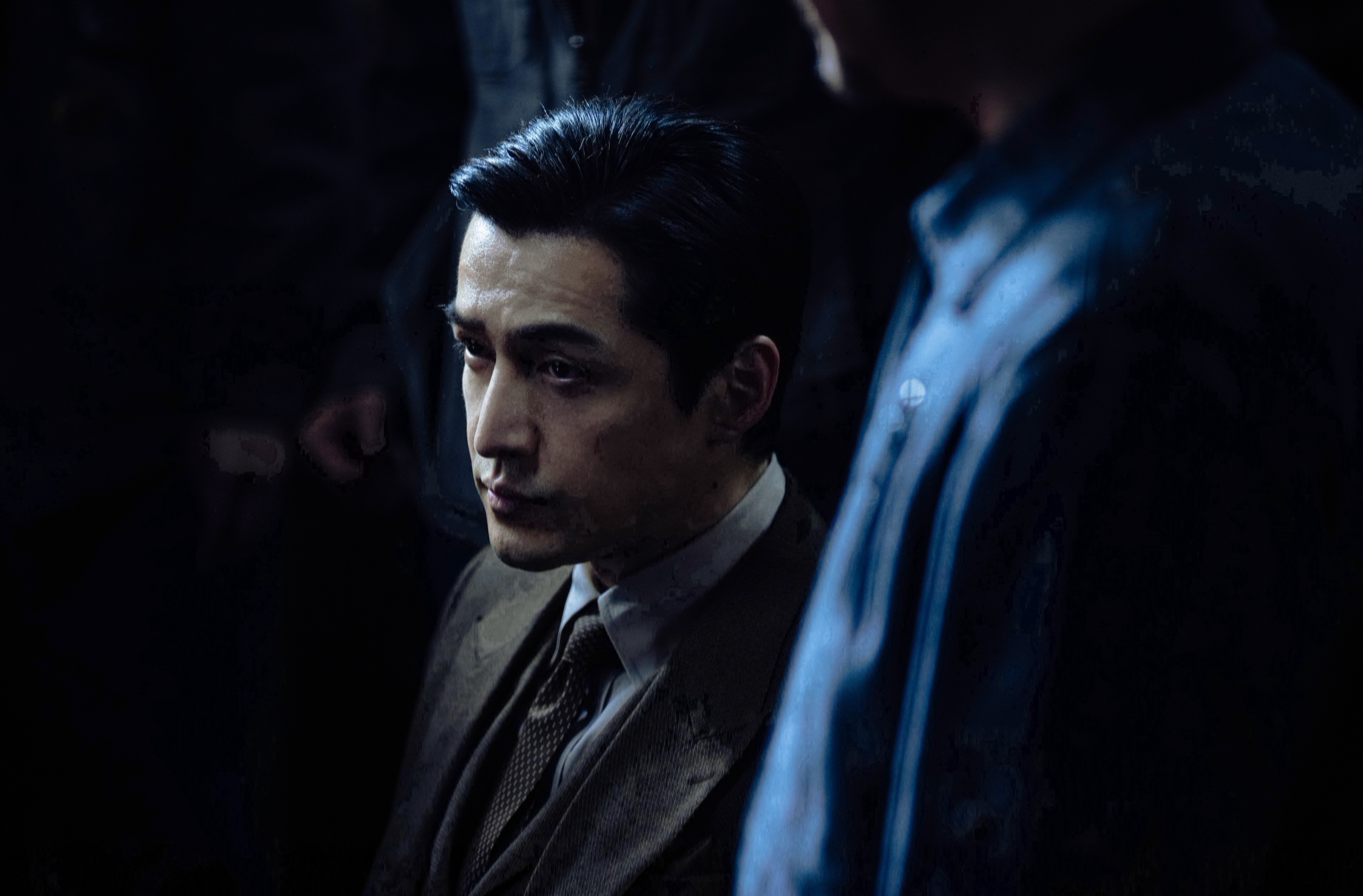
Blossoms Shanghai charts the rise and possible fall of the mysterious Mr. Bao (sleek Hu Ge), who is a bit like a Chinese Jay Gatsby. Born Ah Bao, he appears from seemingly nowhere to become a beautifully tailored man about town whose mere presence at a chic restaurant turns it into The Place to Be. Having made a killing in imports and stocks, the charismatic and sometimes cocky Mr. Bao spends the series taking on ever-riskier deals in pursuit of—what? Boundless riches? Greater glory? More lovers? A cure for some psychic wound buried in his past? Nobody knows, yet his effortless panache makes his dealings and love affairs the talk of town.
But while the story orbits around Mr. Bao, it’s not only about him.
Ladies from Shanghai
WKW fans know him as a swooningly romantic filmmaker, so it comes as no surprise that Mr. Bao would be amorously linked to three very different women. The question is: who will he wind up with?
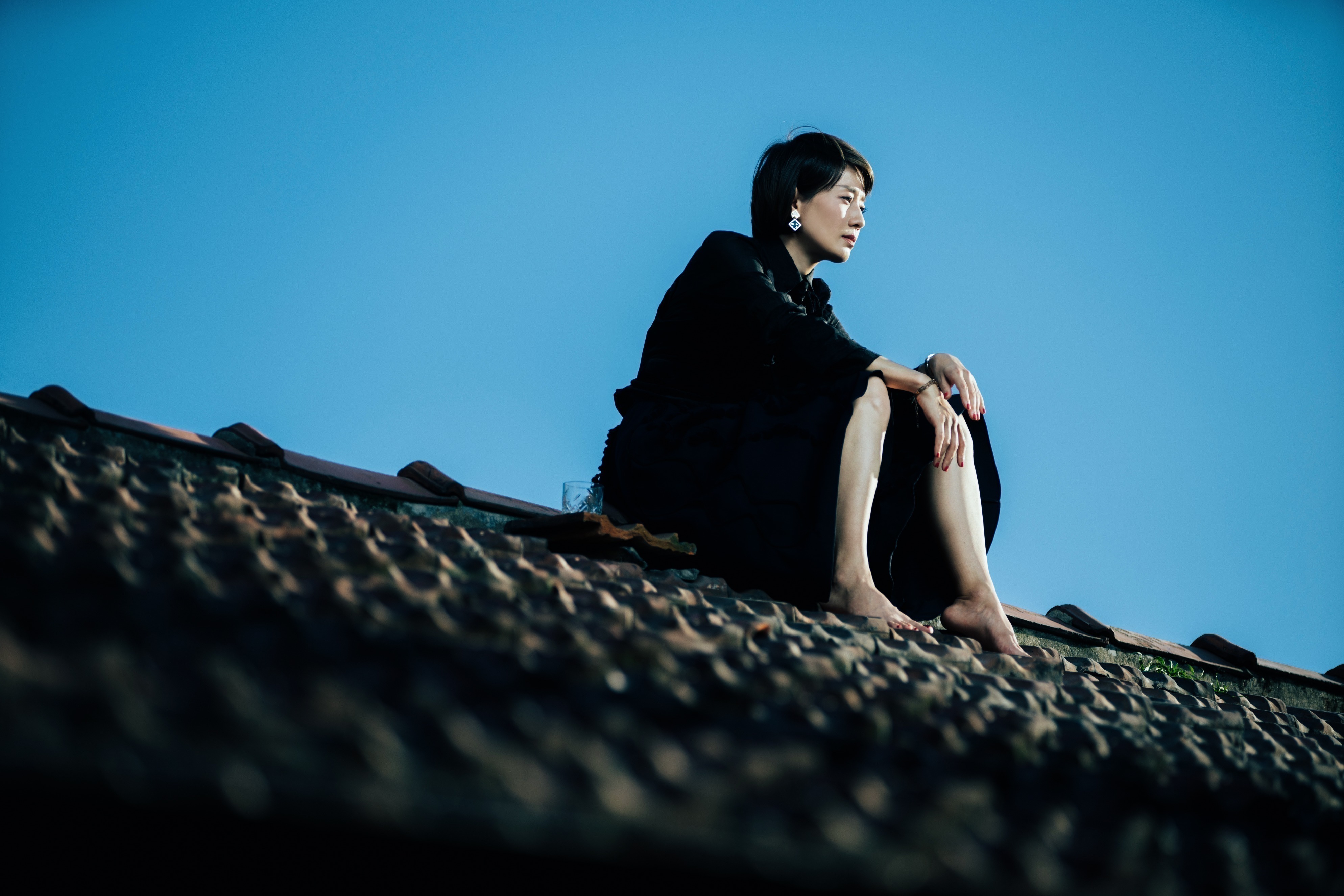
The Practical One: Ling Zi (Ma Yili) is Mr. Bao’s partner in Tokyo Nights, a small Shanghainese restaurant with a local clientele, where he goes to relax and eat the simple food he prefers when not dining for show. Generous and feisty in the Shanghai manner, this classic tough cookie hides her feelings for him beneath a veneer of sharp-tongued banter and a seeming obsession with money.
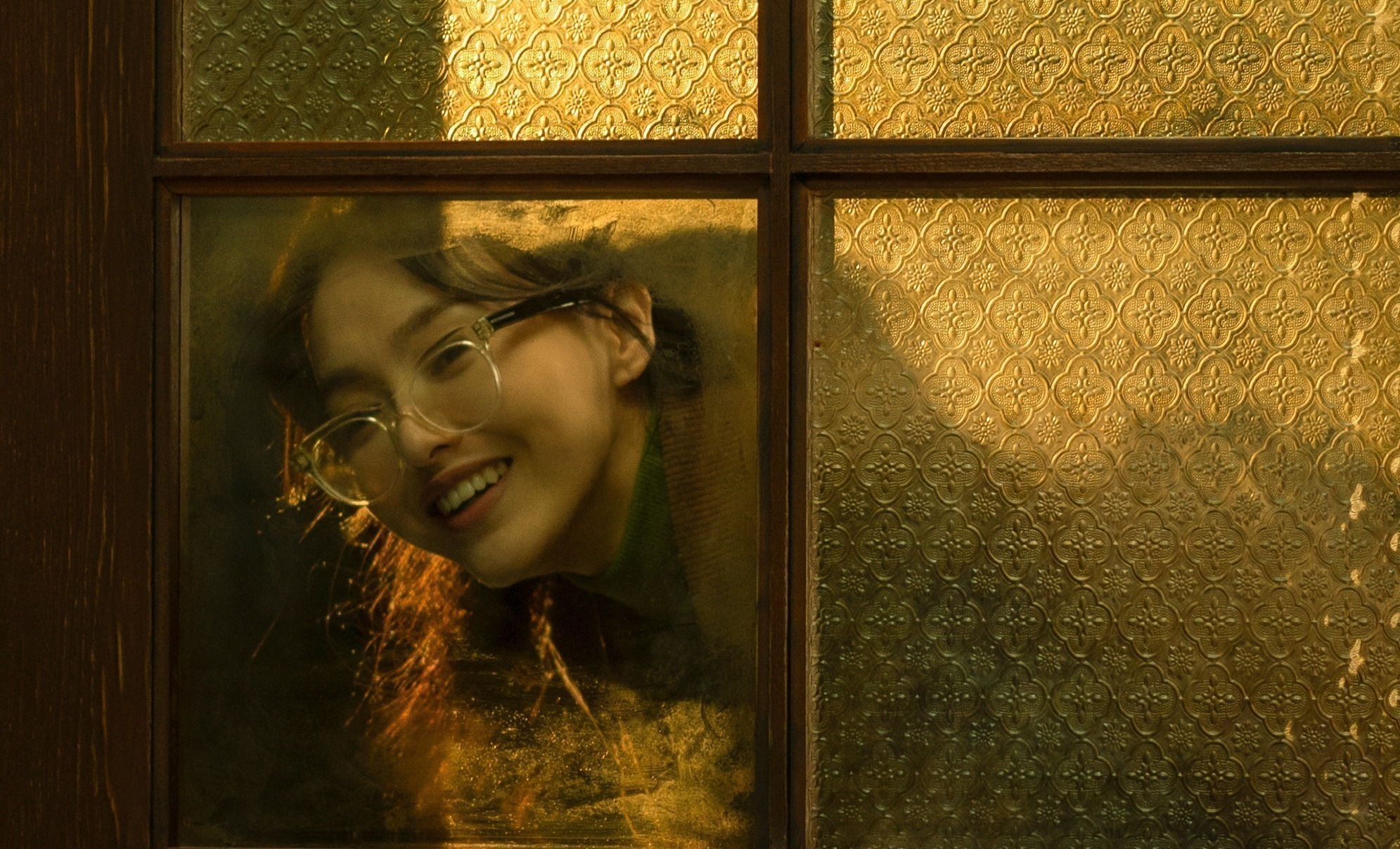
The Virtuous One: Miss Wang (Tang Yan) is Mr. Bao’s liaison at the Foreign Trade Office, overseeing his import-export dealings. Young, honorable, and elite—the type known as qingyi in Peking Opera—she carries a torch for Mr. Bao yet doesn’t let her affection for him get in the way of doing the right thing. Which may be why Chinese audiences liked her character the most of the three women.
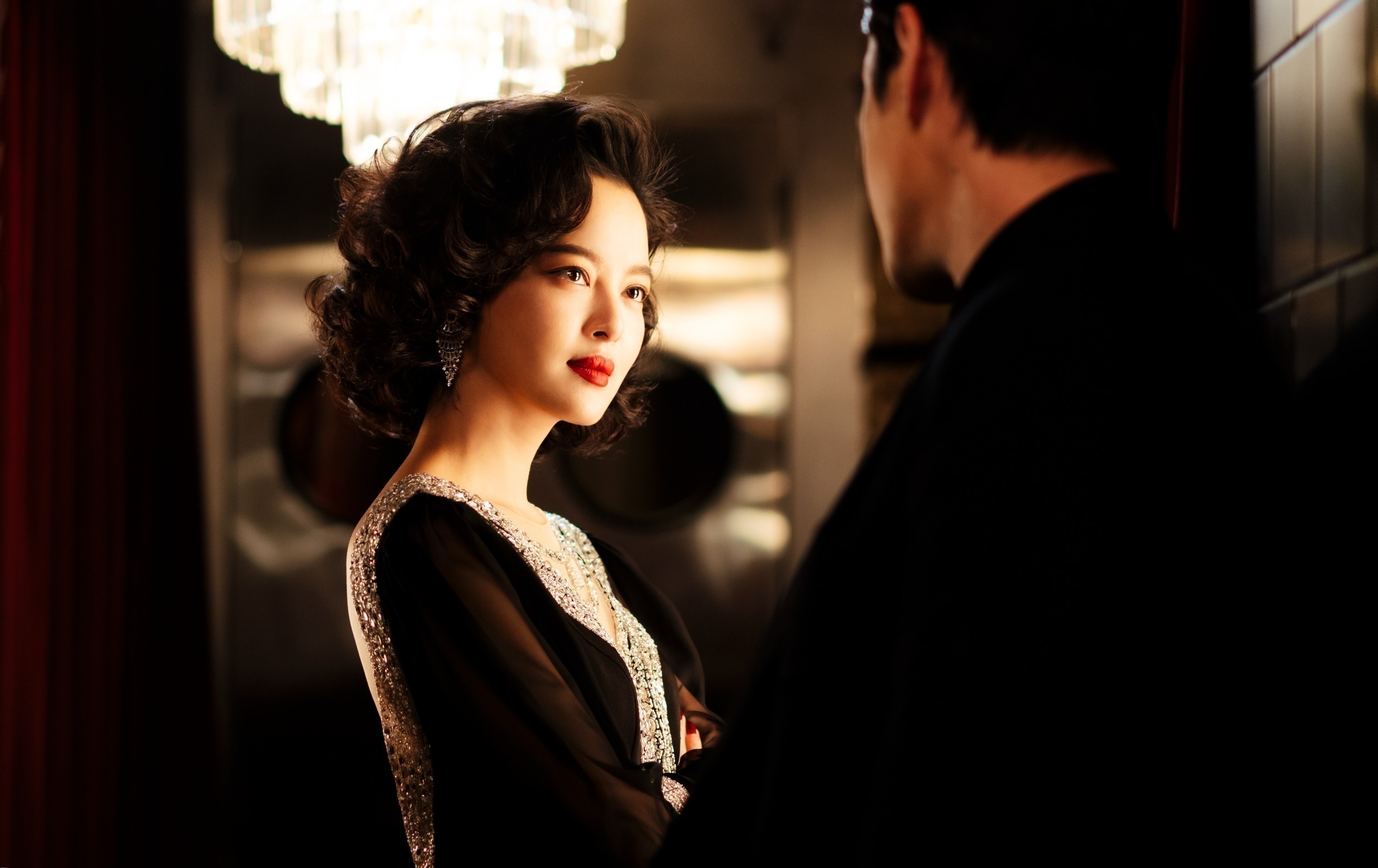
The Seductive One: Li Li (Xin Zhilei) is a classic femme fatale, a glamorous beauty with a shadowy past she can’t quite escape. As the new owner of the Grand Lisbon, the city’s most fashionable restaurant, she wants Mr. Bao to be her customer—and maybe more. Their scenes together sizzle.
In keeping with WKW’s love of strong, vivid women characters, each of Mr. Bao’s three love interests has a destiny that goes far beyond romance, leading her to places you don’t expect. These women do business. So do the following trio of male supporting characters.
The Good, the Bad, and the Gullible
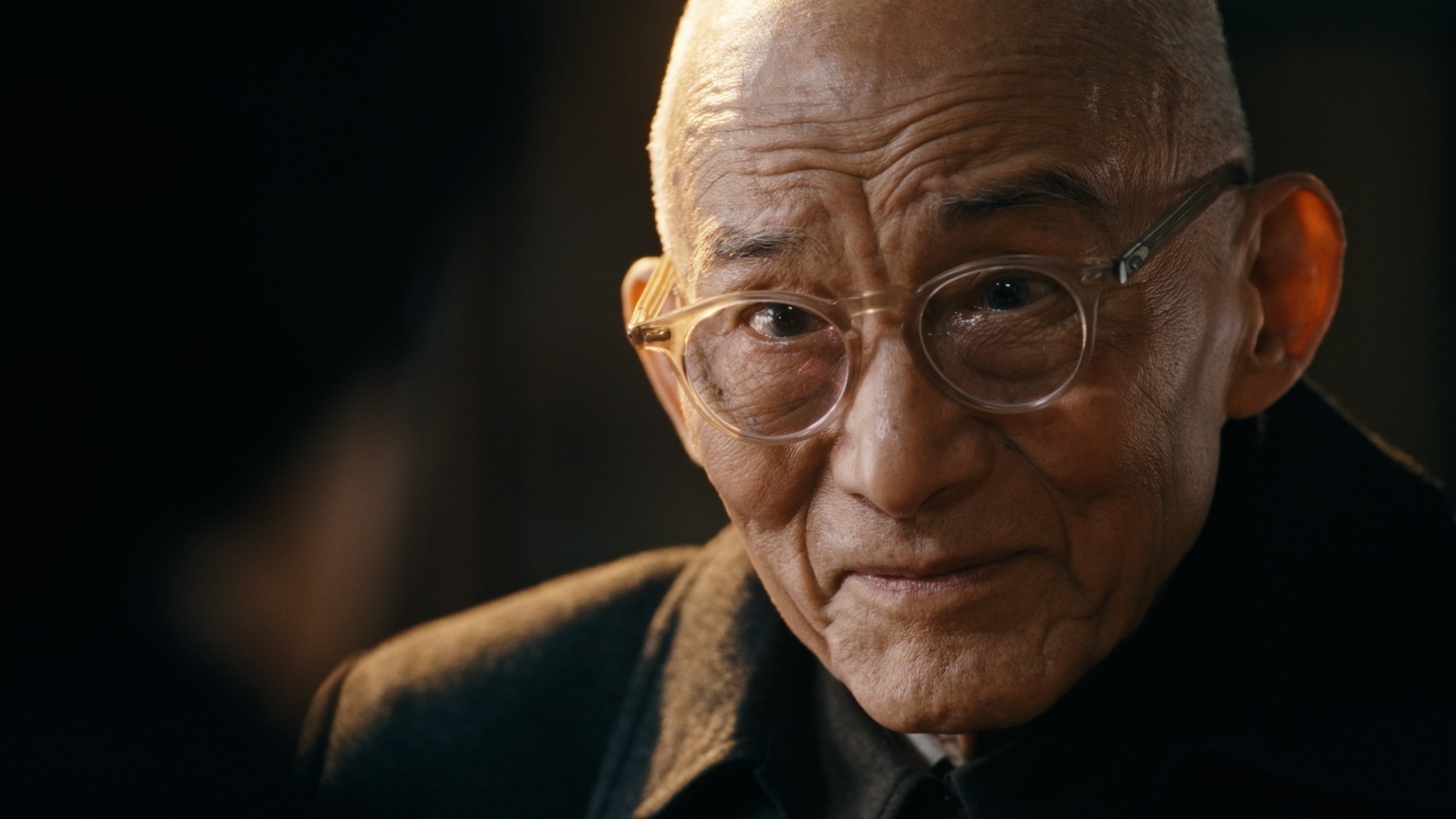
The mentor behind the man, Uncle Ye (played by the venerable You Benchang) is the financial maestro who guides the ordinary Ah Bao’s transformation into the towering Mr. Bao. Stern, acerbic, and trustworthy, he’s the sometimes reckless Bao’s cautious partner, monk-like in his pursuit of business.
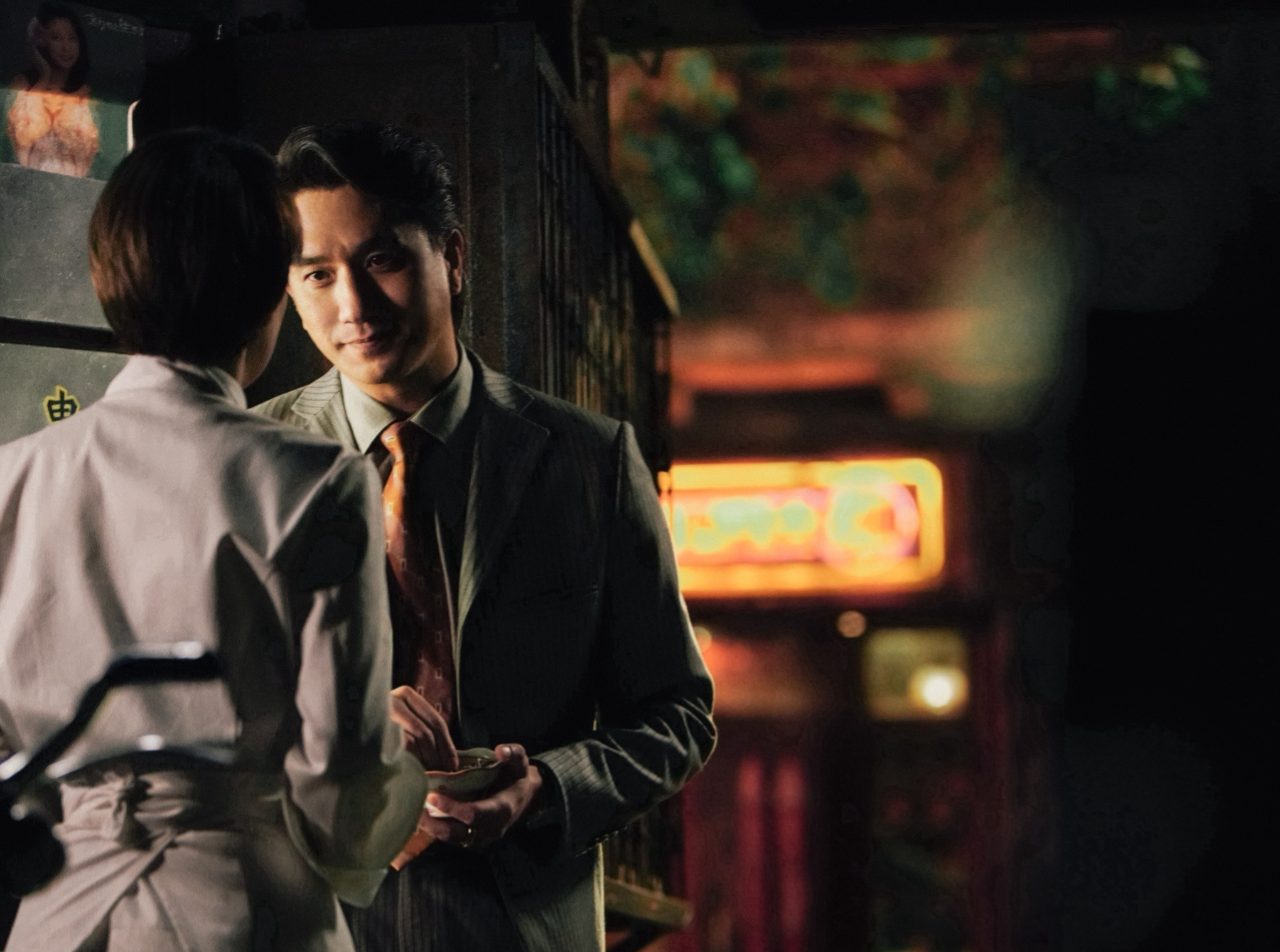
His antithesis is Bao’s nemesis, Mr. Qiang, a brainy professional investor from southern China who enters the Shanghai Stock Exchange like a professional gunslinger. He not only wants to score big but is hellbent on out-drawing Mr. Bao. Oozing nasty vibes, Qiang is played by Huang Jue, who viewers may recognize as the haunted hero of Bi Gan’s 2018 art-house hit Long Day’s Journey into Night.
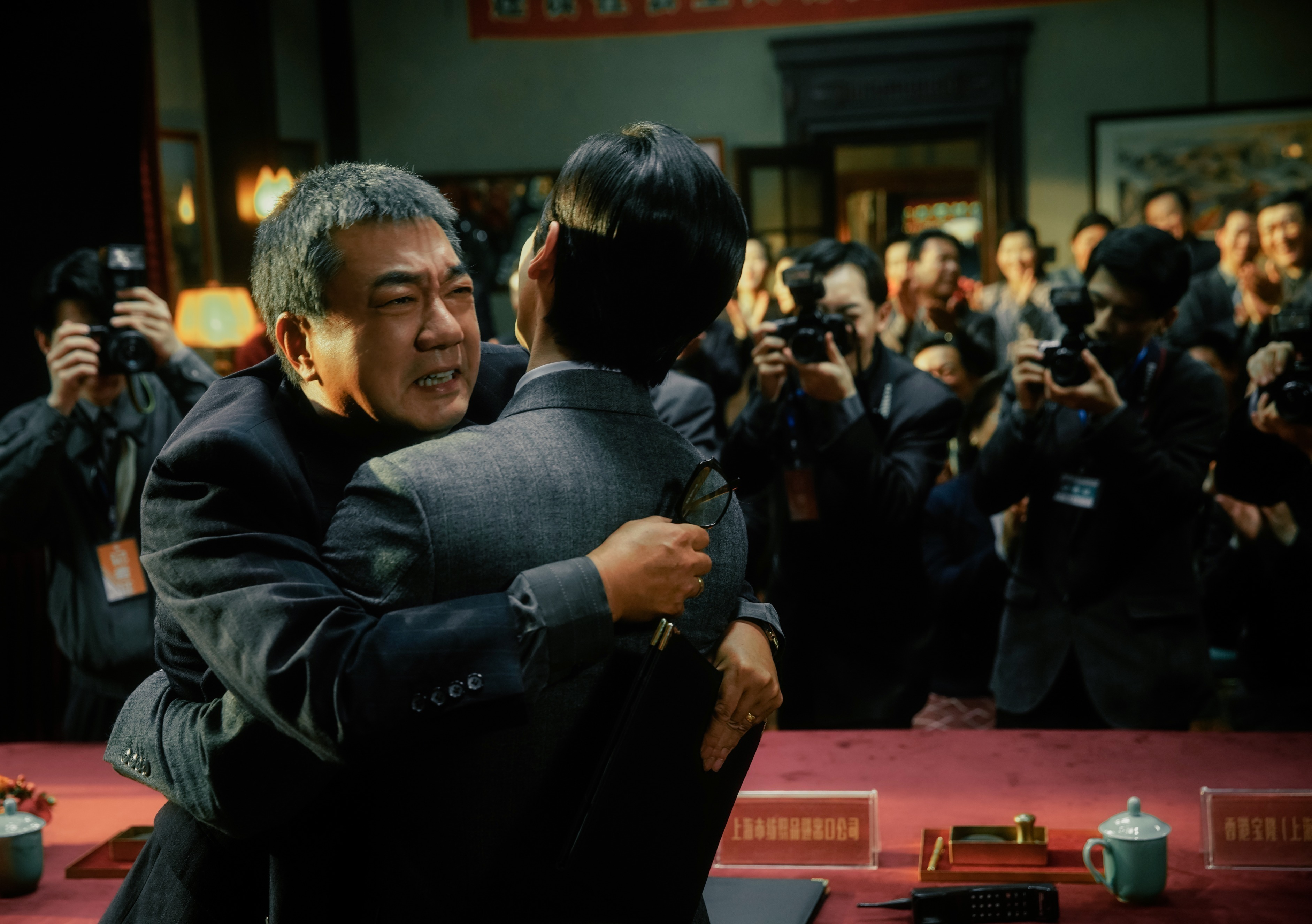
Mr. Fan (Dong Yong) is a clothing manufacturer who has come from his provincial factory to partner with Mr. Bao in selling European-style shirts on the local market. Almost comically wide-eyed in the bedazzling big city, Fan is the show’s easily distracted exemplar of the decent Chinese businessman anxiously adjusting to a market economy.
Chinese Roulette
Today, the People’s Republic of China is an economic powerhouse, but when Mao Zedong died in 1976, the country was quite poor. Risking the charge of being a crypto-capitalist, his successor, Deng Xiaopeng, began opening the economy to market forces. “To get rich is glorious,” Deng famously declared, igniting the greatest explosion of wealth in human history.
Blossoms Shanghai takes place in the late 1980s and early ’90s, when Deng’s changes really began to accelerate. Central to this was the 1990 creation of the Shanghai Stock Market, which had a lottery system that let private investors like Mr. Bao acquire hot IPO stocks. (The precise rules of this early stock market are bafflingly arcane, but don’t worry: It’s never hard to follow the story.) Because getting rich was new to postrevolutionary China, the world was shifting under everyone’s feet. KFC and McDonald’s had just arrived and were thought of as expensive; there were no Prada outlets or Audi dealerships. The series captures an era of delirious extremes in which a wheeler-dealer like Mr. Bao can casually toss a business dinner that costs six thousand dollars—this in a city where the average person made fifty dollars a month!
Few places have ever changed faster than Shanghai.
Shanghai Express
Shanghai is China’s largest city (twenty-five million people!), the center of finance and culture. Over the years, it’s been dubbed everything from the Paris of the East to the Pearl of the Orient, although its current nickname is Módū, or Magic City.
Wong Kar Wai was born there—his parents took him to Hong Kong when he was five—and in some ways he never left. (His brother and sister didn’t come with them.) His first language was Shanghainese; his wife, Esther, is Shanghainese; and his most important film collaborator—the production designer, costume designer, and film editor William Chang Suk-ping—is Shanghainese. In New York, Wong takes me to eat at the beloved dumpling house Joe’s Shanghai. Small wonder that three of his greatest films—Days of Being Wild, In the Mood for Love, and 2046—gleam with idealized affection for Hong Kong’s Shanghainese subculture. For WKW, Shanghai is personal.
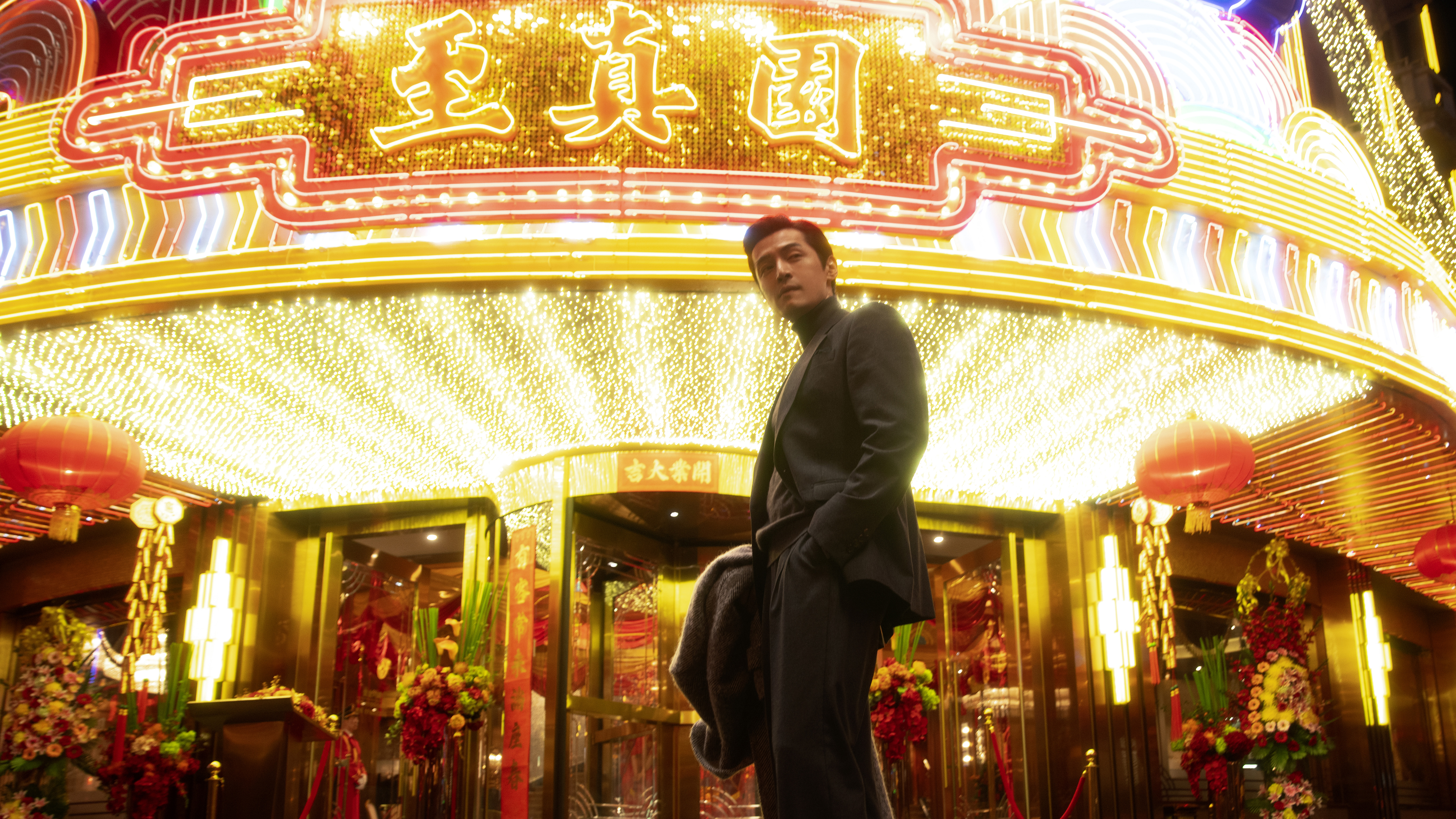
Blossoms Shanghai is a valentine to the city. It celebrates everything from the bustling intimacy of its citizens to the art-deco glory of the towering Peace Hotel, the aerie where Mr. Bao lives and conducts business, to the futuristic Oriental Pearl Tower which we watch being constructed during the series. The most thrilling location is Wong’s recreation of Huanghe Road, a teeming, neon-lashed nightscape with over a hundred restaurants, including Li Li’s Grand Lisbon. Intoxicating and daunting, Huanghe Road isn’t just a street, it’s a measuring rod: everyone knows how you’re doing by how well, or badly, you’re treated there.
One measure of Wong’s devotion to Shanghai is that the show’s dialogue is not in Mandarin, China’s official language, but in Shanghainese, which is spoken by only one percent of the Chinese population. When the series aired in the PRC, it had to be shown with subtitles, just as it will be in the United States. Although it boasts some of the reassuringly emphatic emotional flourishes of C-drama, including its use of music, WKW is too much the visual storyteller to rely on dialogue you can follow while running off to the fridge. Indeed, his rich, often elliptical style prompted some complaints that when you watched the show you actually had to pay attention.
Not that this hurt the ratings.
The Sweet Smell of Success
Blossoms Shanghai did something no Chinese series had ever attempted. It let the audience discover—or relive—that ’90s era of optimism and exuberant energy when the whole country appeared to flower. It evoked a vanished age of innocence when anything seemed possible (even if it was never so innocent).
Not surprisingly, the show became a sensation when it first began airing in China in late 2023. With viewing figures that would be the envy of any American series—we’re talking billions—Blossoms Shanghai scooped up awards and sent ripples through the culture. During the peak of its run, you could buy posters and T-shirts with the face of Uncle Ye on them—everybody wished they had a guru like that of their own. The role of Li Li rocketed Xin Zhilei into fame, making her a spokeswoman for luxury brands and winning her plum roles (she just won Best Actress at the 2025 Venice Film Festival for The Sun Rises for Us All). Such was the show’s popularity that WKW is currently working on adapting it into a stage musical.
In addition to all this, the series set off a tourist boom in Shanghai. Viewers came from around the country to eat the meals they saw on the show, order bespoke suits like Mr. Bao’s, and see in person what they’d seen on screen: Huanghe Road, Nanjing Road, the Peace Hotel, the Bund, and the Oriental Pearl Tower, which Blossoms Shanghai uses as a soaring, colorfully lit symbol of Shanghai’s—and China’s—development.
Days of Being Wong
Although WKW started out writing for television, when he first told me that he was going to do this series, I had my doubts. Not only does a television show demand working on a tight schedule—the antithesis of his notoriously slow, exploratory, story-finding approach—he eschews the customary talkiness of the medium. (“Dialogue is TV,” he once told me, not as a compliment.) I feared his atmospheric, devoutly cinematic style might falter on the small screen.
Instead, Blossoms Shanghai adds a splendid new chapter to his long career. Wong didn’t merely shoot the pilot. He directed all or most of each of the thirty episodes, and you can feel his presence in every moment; nobody else could have made it. Naturally, Blossoms Shanghai is ravishing to look at—one of the most sheerly beautiful TV series you’ll ever see. But it also returns to and reworks the grand themes of his films—romantic longing, urban solitude, the centrality of food (Flamed King Snake! Heavenly Crane! Tycoon’s Fried Rice!) in everyday life, and, of course, the inescapable elusiveness of time.
More: Features
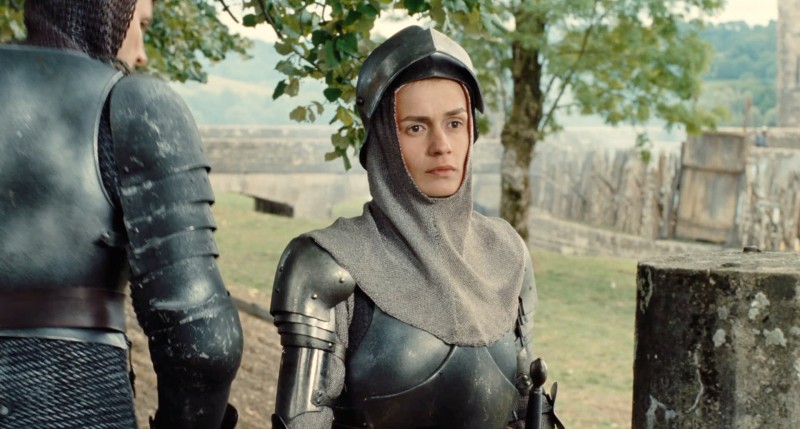
Jacques Rivette Envisions a More Human Joan of Arc
Anchored by an extraordinary performance from Sandrine Bonnaire, the epic historical drama Joan the Maid strips away its saintly protagonist’s mythic aura and gives us a humbler, more intimate version of her life story.
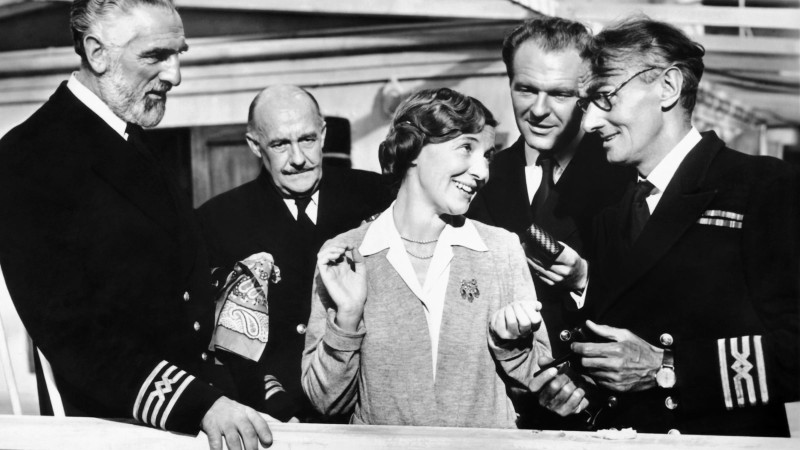
Anthologized: The World of W. Somerset Maugham On-Screen
The elegantly crafted portmanteau films Quartet, Trio, and Encore adapt twelve spellbinding tales of deception and passion from one of the best-selling authors of the twentieth century.
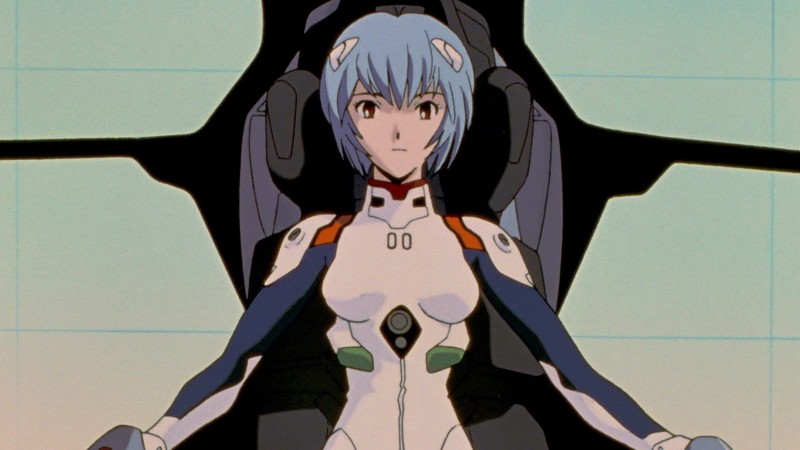
The Inner Worlds of Neon Genesis Evangelion
A Japanese-television phenomenon that sparked a boom in anime production and fandom, Hideaki Anno’s magnum opus is a mind-bending mix of kinetic action, sci-fi spectacle, and introspective human drama.
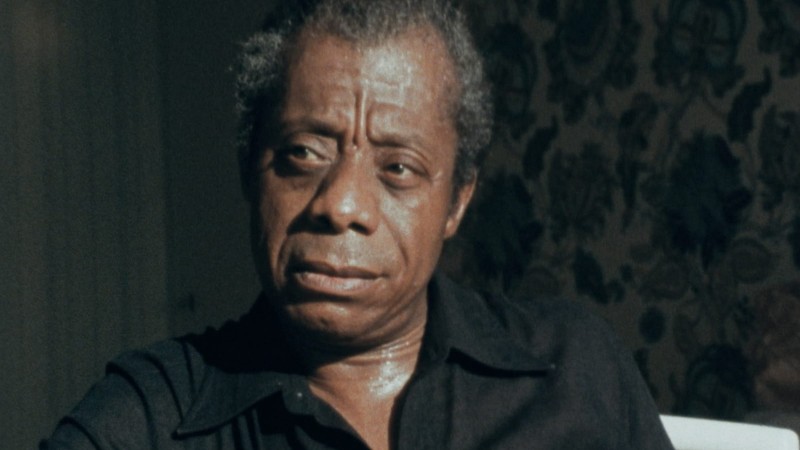
James Baldwin Looks Back
The illuminating 1982 documentary I Heard It Through the Grapevine follows the celebrated author on a journey through the American South, as he attempts to reckon with the legacy and losses of the civil rights movement.