The French Dispatch of the Liberty, Kansas Evening Sun: On Deadline

Wes Anderson’s romantic view of journalism in The French Dispatch of the Liberty, Kansas Evening Sun (2021), like his romantic view of just about every other field of endeavor, is centered on death. Given the workaday settings of many of his movies (a hotel, a summer camp, a science fair), their mortal stakes may come as a surprise, or at least as a paradox—yet paradox is at the heart of his entire body of work. Anderson’s movies reach heights of artifice, of comprehensive design and curation of detail, that few movies in the history of cinema rival, yet they are also essentially action films, revolving around danger. The main characters in The French Dispatch, all journalists, take physical risks, display courage under fire, and bear witness to death. What Anderson finds in anything worth doing—certainly in anything worth filming—is peril. The proximity of death and the threat of loss energize his movies with a sense of existential adventure and keep his exquisite aesthetic from ever feeling twee or effete. On the contrary, the very engine of his work, and of his artistic sensibility, is the inextricable connection between a refined sense of style and an intrepid confrontation with harm and horror.
For that matter, Anderson’s gonzo approach to filmmaking—his fusions of history and fantasy, of precision and spontaneity, as well as his uninhibited flights of imagination and the audacious complexity of his elaborately nested narratives—turns his cinema itself into a high-risk art of adventure. He makes comedies—often frenetic, often downright goofy ones, with funny names and funny objects and funny dialogue, oddball happenings and blatantly cartoonish interpolations (even by way of actual animation)—yet they deal with matters of grave import, embracing subjects of crime and punishment, life and death, large-scale social conflicts, and even world-historical crises. He packs his films with cream-puff whimsy that doesn’t merely balance the weighty questions at hand—it belongs to them. His films add the hair-trigger timing of physical comedy to the intense emotion and the disciplined elegance of action and expression in moments of crisis. The result is a body of cinematic work that explores, more deeply than any other, the inseparable connection between aesthetics and morality. The French Dispatch, in its depiction of journalists in the center of trouble, makes them, too, agents of the unflinching sublime, of the daring art that’s inseparable from the art of living daringly.
The French Dispatch is a faux-historical comedy about a magazine of that title, and it is a story about death from start to finish—or, rather, about two deaths, in 1975: the death of the editor of The French Dispatch, Arthur Howitzer Jr. (played by Bill Murray), who had founded the magazine in 1925 (the same year that the New Yorker was born), and the death of The French Dispatch itself, which, according to Howitzer’s will, must cease publication following his demise. Though Howitzer’s passing is peaceful, his very name suggests a martial aspect, which the movie teases out: he is, essentially, a commanding officer who furnishes his troops with the skills and the resources to plunge into harm’s way and emerge to tell the story. (Even the word magazine is military in origin.)
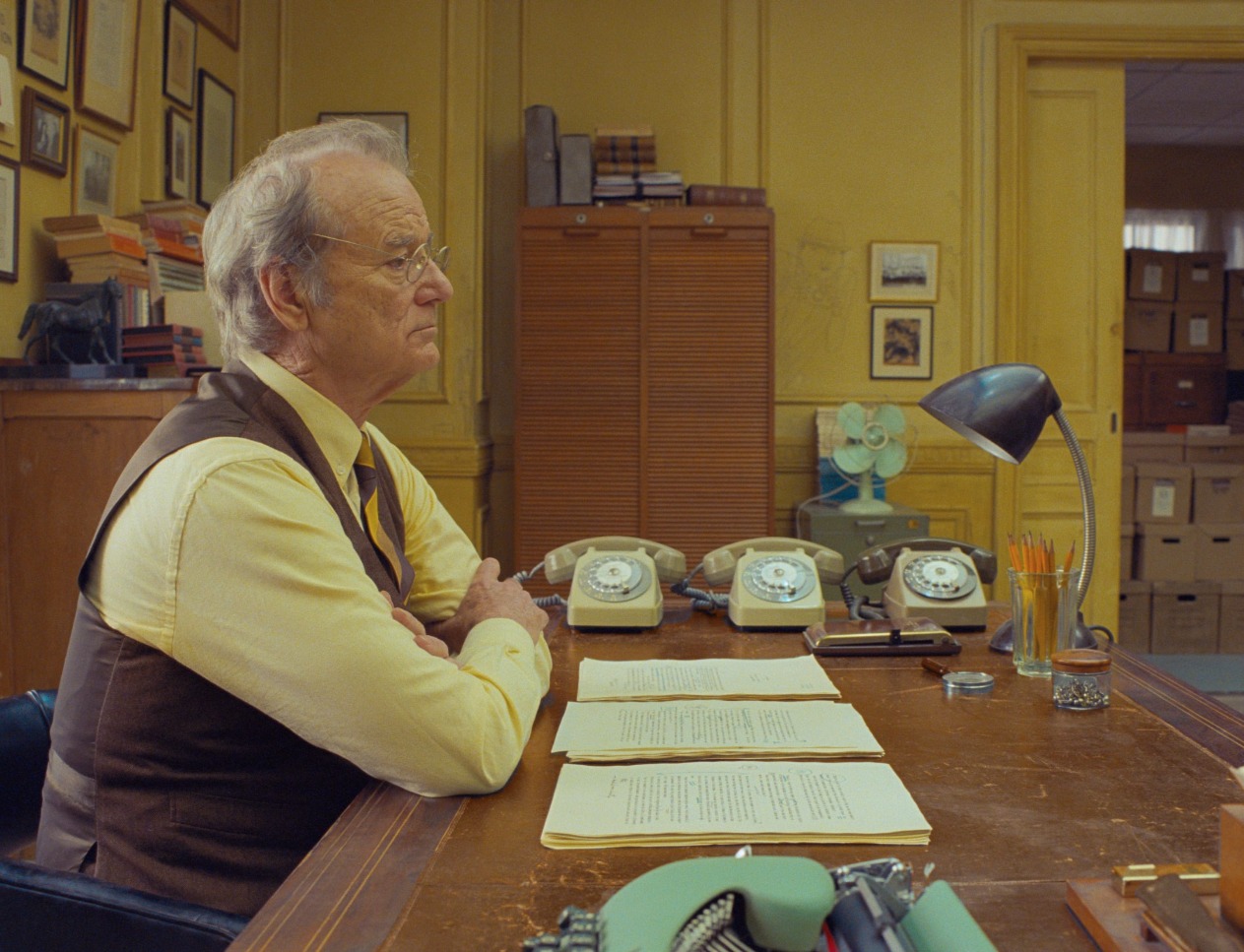
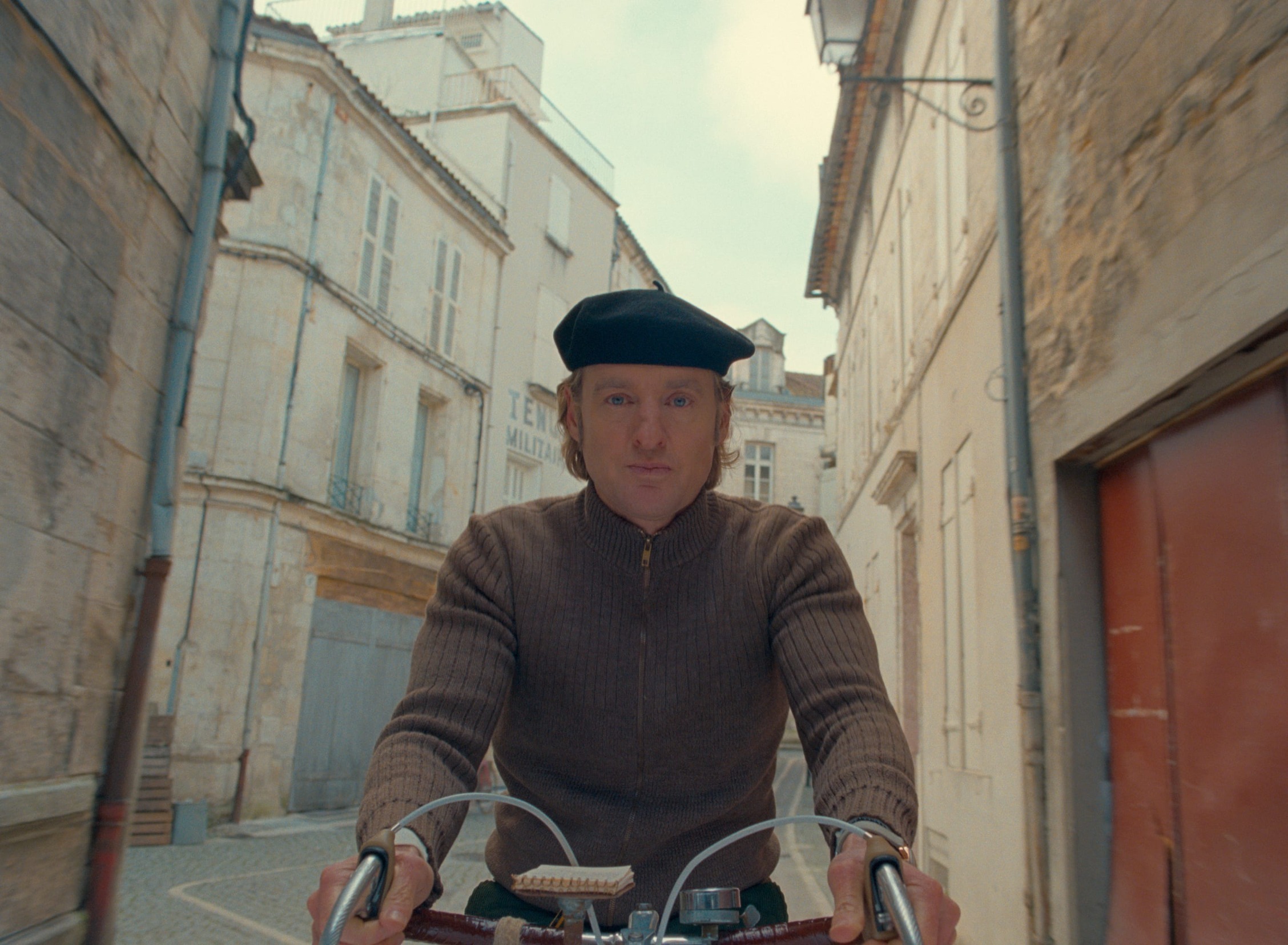
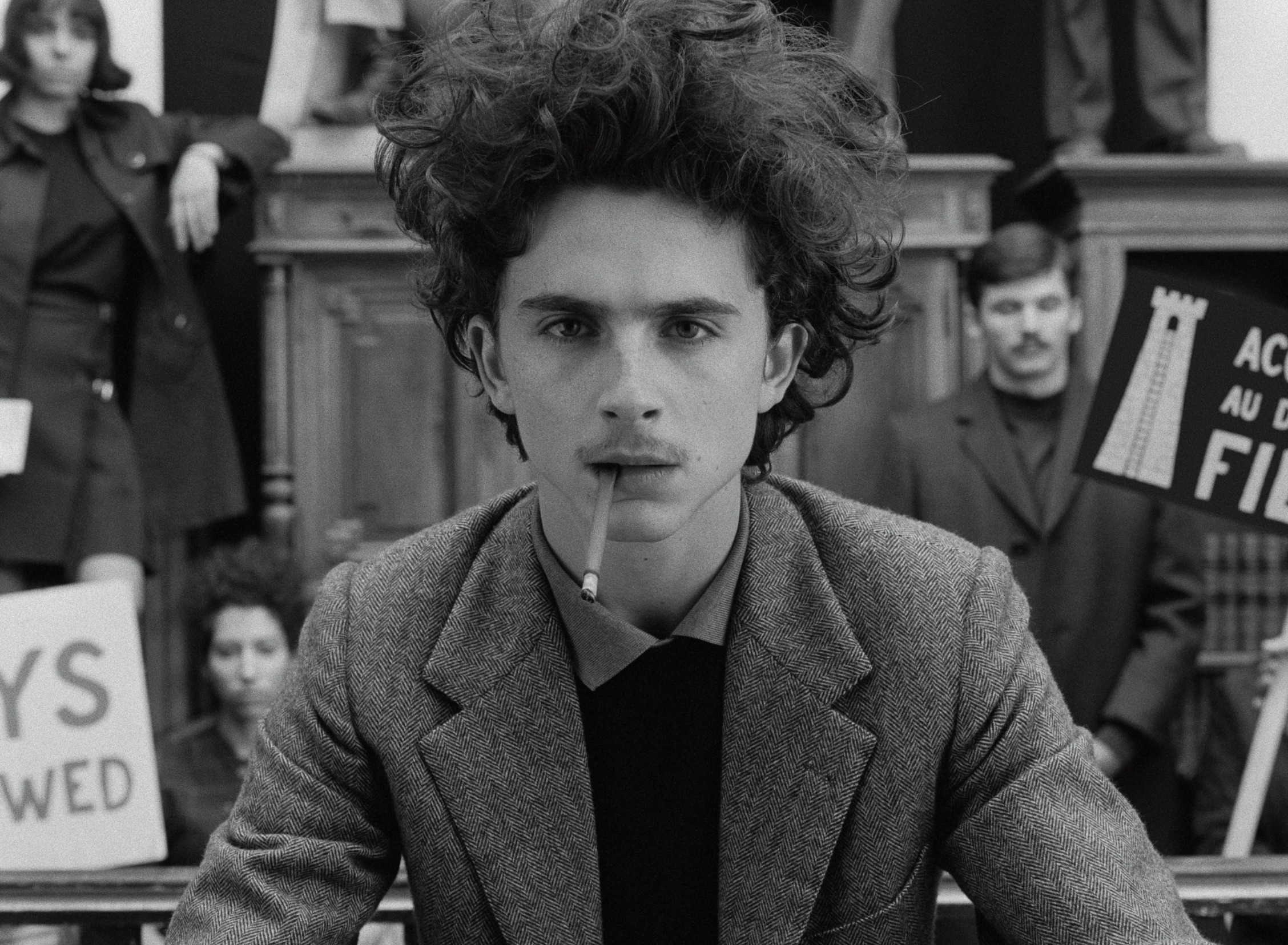
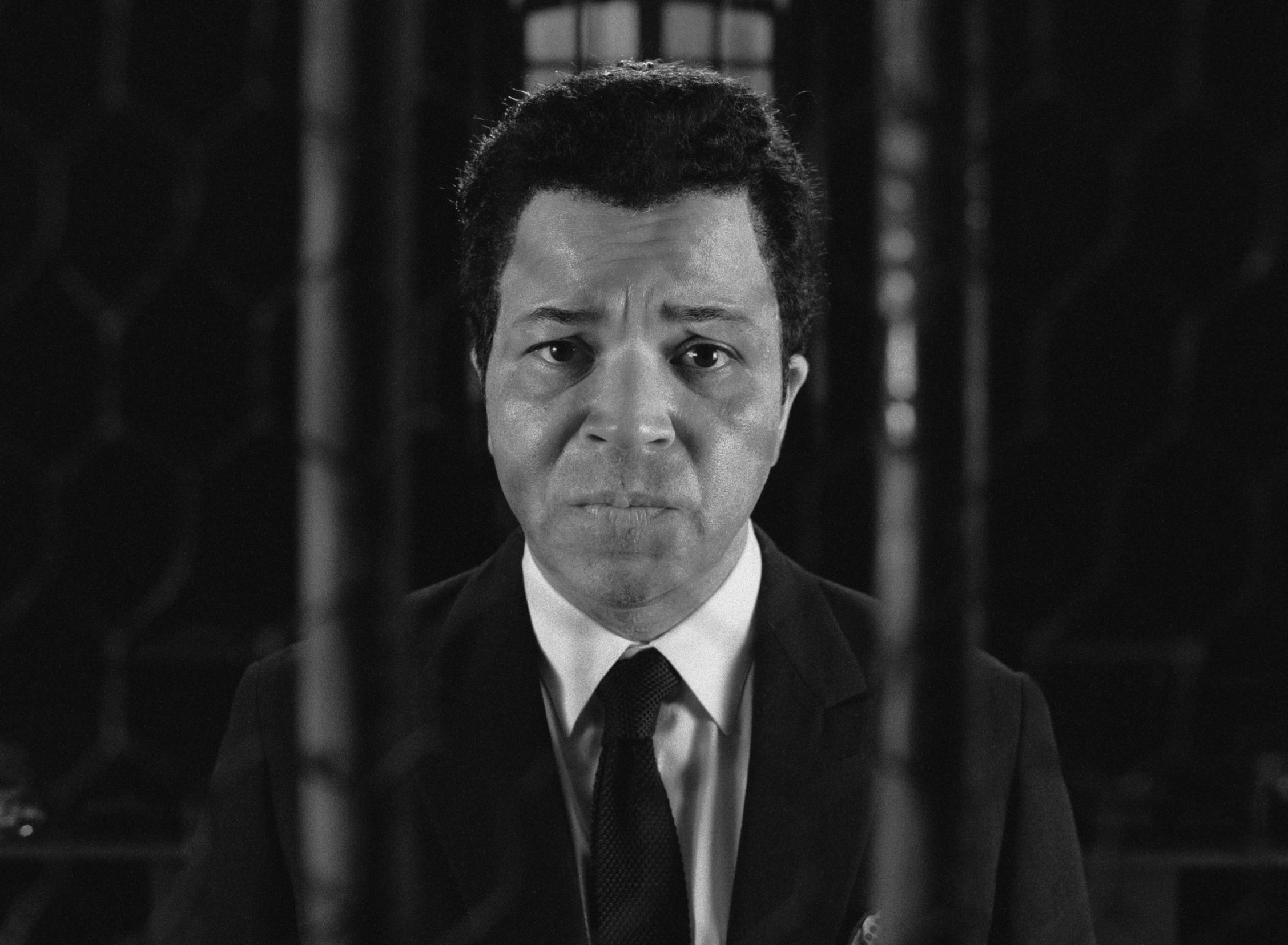
In all of the stories developed in The French Dispatch, offered in the manner of pieces from the New Yorker and infused with the essential spirit of the magazine, Anderson exalts conjoined ideals of beauty and virtue, of a spirit of defiance along with the heightened discernment (both emotional and perceptual) that goes with it—and with the comedy that’s inseparable from it. There’s a dramatic commonplace (as in the films of Alfred Hitchcock) that thrusts ordinary people into extraordinary circumstances, and a melodramatic one of lodging tragedy in banal circumstances. Anderson’s films add a term to both formulas. He locates a preexisting greatness—in personal style and interpersonal relationships, in expressive language and indelible gestures—in ordinary people who rise to the occasion. He sees the accidental comedy of daily tragedy as, in fact, essential—as fundamental to ordinary heroes’ self-deprecating modesty. Anderson gets the jump on viewers and on his characters’ own paradoxical circumstances by leaping headfirst into his stories’ comedic possibilities, his characters’ built-in foibles and absurdities—which go hand in hand with the workaday courage with which they face soul-shattering terrors. If you didn’t laugh at the stories he tells, it would be to cry all the time. And his heroes on deadline wouldn’t do that. Howitzer doesn’t allow it.

More: Essays
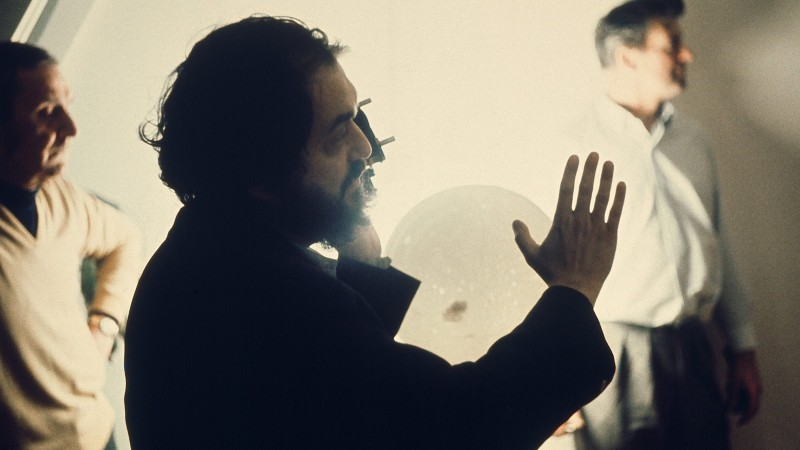
God Laughs: Stanley Kubrick’s Cinema
Throughout his enormously influential body of work, the great director explored the conflict between humankind’s obsession with control and our capacity for error and failure.
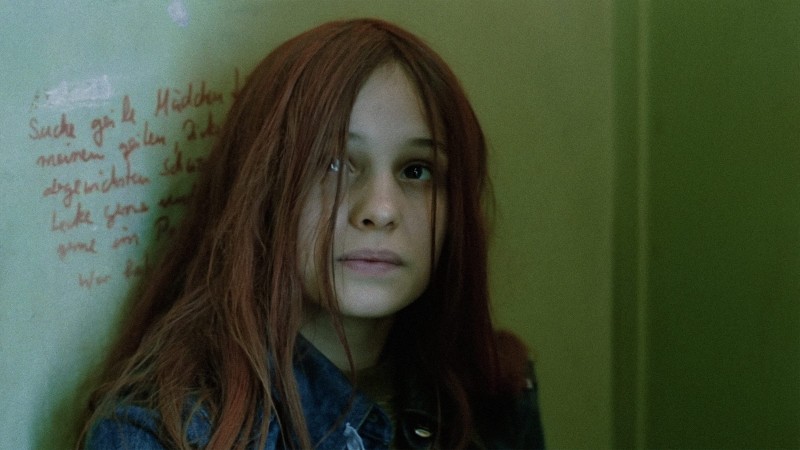
Christiane F.: Up Against the Wall
Uli Edel’s harrowing tale of youth rebellion is one of cinema’s greatest Berlin films, a visceral urban portrait that captures the city’s doom and decadence during the Cold War era.
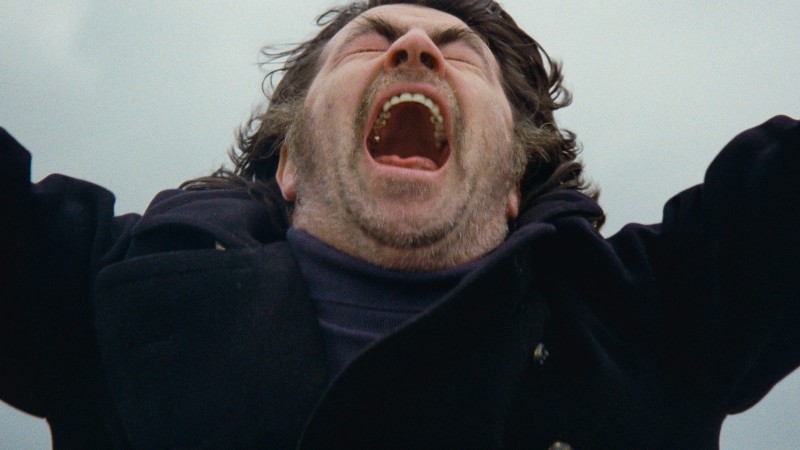
The Shout: Sound and Fury
Blending elements of psychological thriller, social satire, and psychedelic film, Jerzy Skolimowski’s Cannes-award-winning classic uses its audacious sound design to evoke the terror of English civilization.
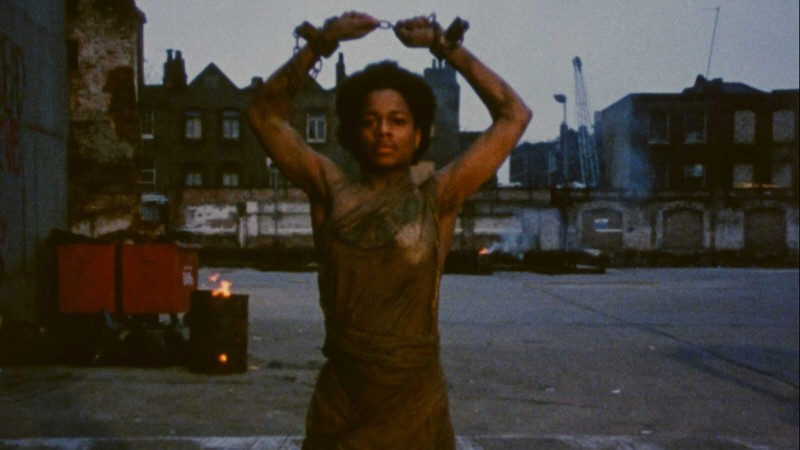
Welcome II the Terrordome: The Future Is Furious
A dystopian drama that draws on the influences of African mythology and hip-hop, Ngozi Onwurah’s debut feature uses a mix of speculative forms to expose anti-Blackness as a system that underpins the modern world.