Wes Anderson’s Impossible Dreams
Wes Anderson was just twenty-six years old when his first feature film came out, but one might be forgiven for thinking he was even younger. Part friendship comedy, part road movie, part romance, and part crime caper, Bottle Rocket (1996) is a low-budget wonder touched by such a magic sense of play that it feels like it could have been made by a uniquely precocious child. At the same time, the film has a laid-back wistfulness that marks it as the work of someone wise beyond his years. That sounds like a contradiction, but it really isn’t. The two best friends at Bottle Rocket’s center (portrayed in an inspired bit of casting by brothers Owen and Luke Wilson, thus turning all the latent sibling rivalry of real life into cinematic subtext) may be in their twenties, but one reads as quite a bit younger, the other as older: Dignan (Owen) fancies himself becoming something of an outlaw, looking to land a big score—the way an impressionable younger boy might imagine his grown-up future—while the mild-mannered Anthony (Luke) has just gotten out of a mental institution into which he checked himself to deal with “exhaustion” and, it seems, general existential despair. Anthony might be a few steps ahead of Dignan in the growing-up department, but both men are fully out of step with the world, each in his own way.
This is the vital duality that animates Anderson’s work, and it becomes clearer across the ten features he made over his first twenty-five years as a filmmaker. It has been said that, in the director’s films, the grown-ups act like kids and the kids act like grown-ups. He understands what it means to want to get on with our lives, to discover all the wonder and adventure that is promised us when we are young; but he also sees the disillusionment that awaits on the other side, which in turn prompts a desire to regress, to return to that moment when a future full of magic still felt possible. He has continued to explore these two states of mind over the course of his career—and as he himself has gotten older, and the world around him has changed, his films have shifted in remarkable ways.
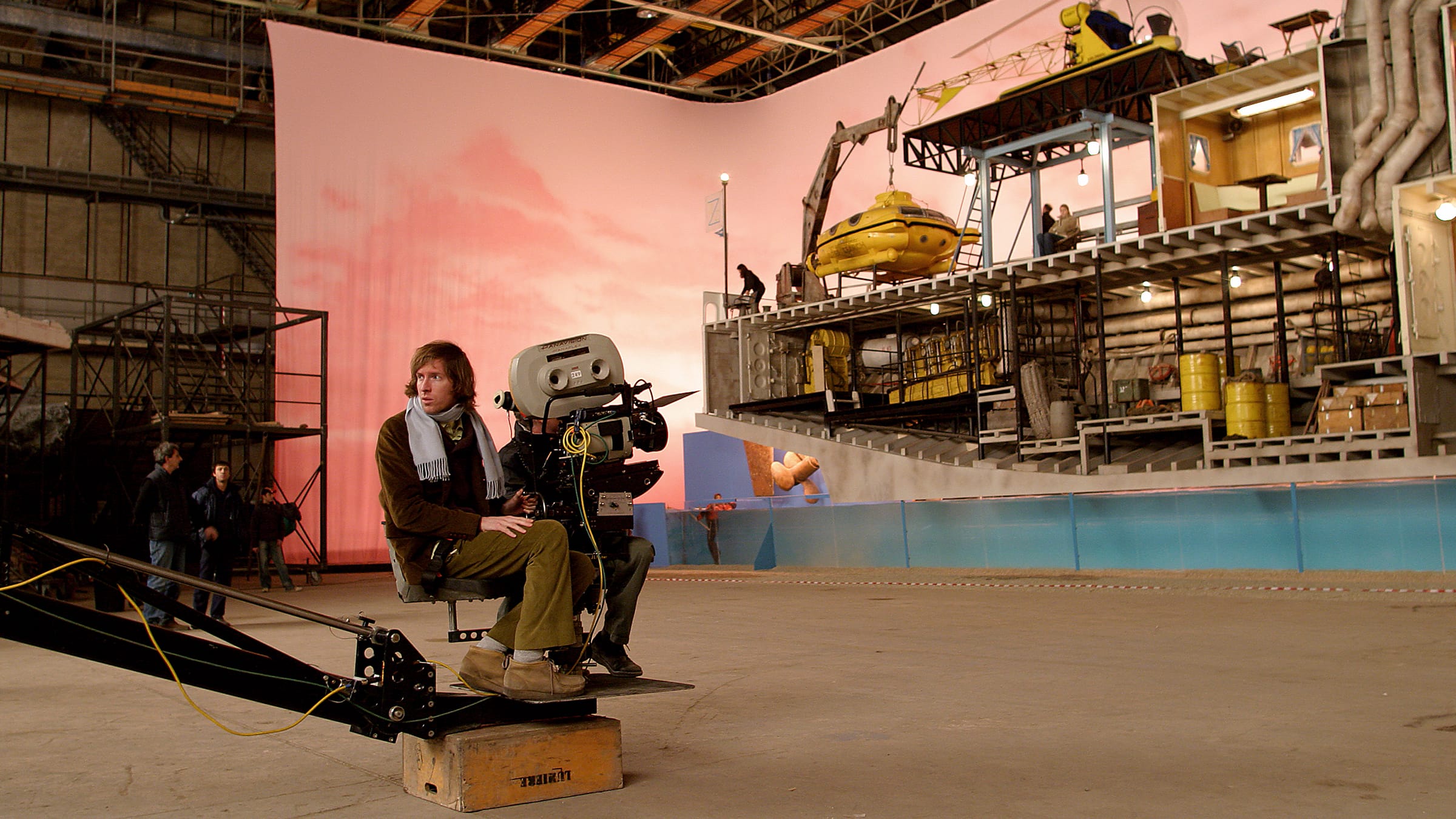
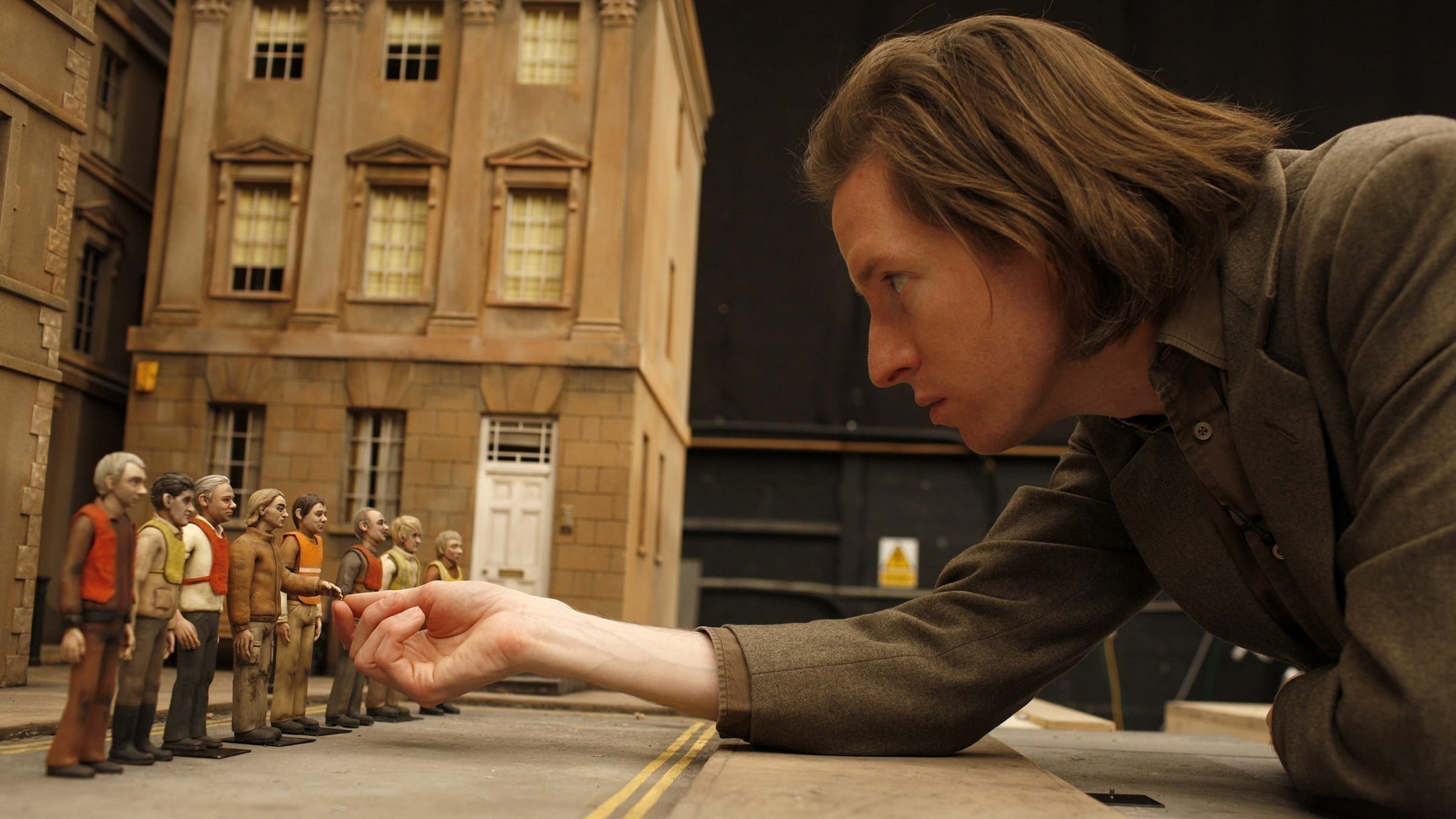
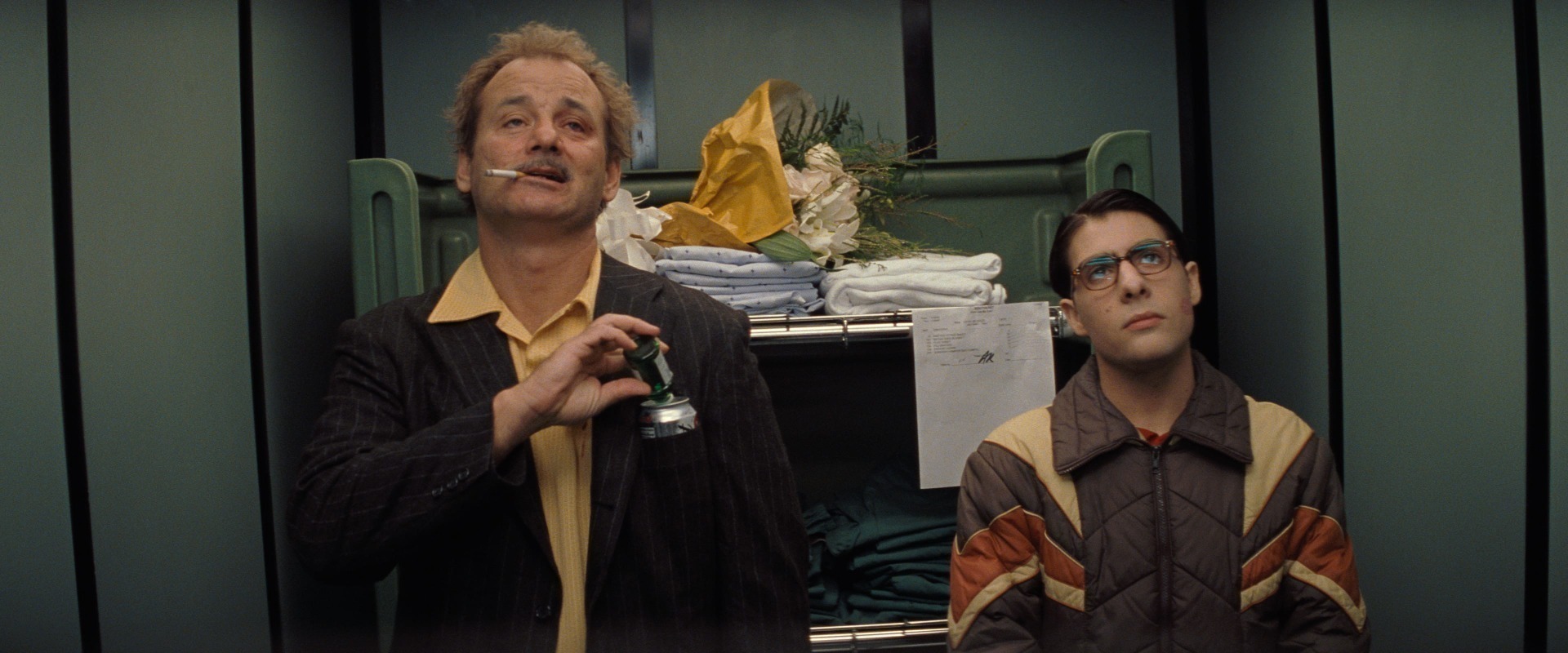
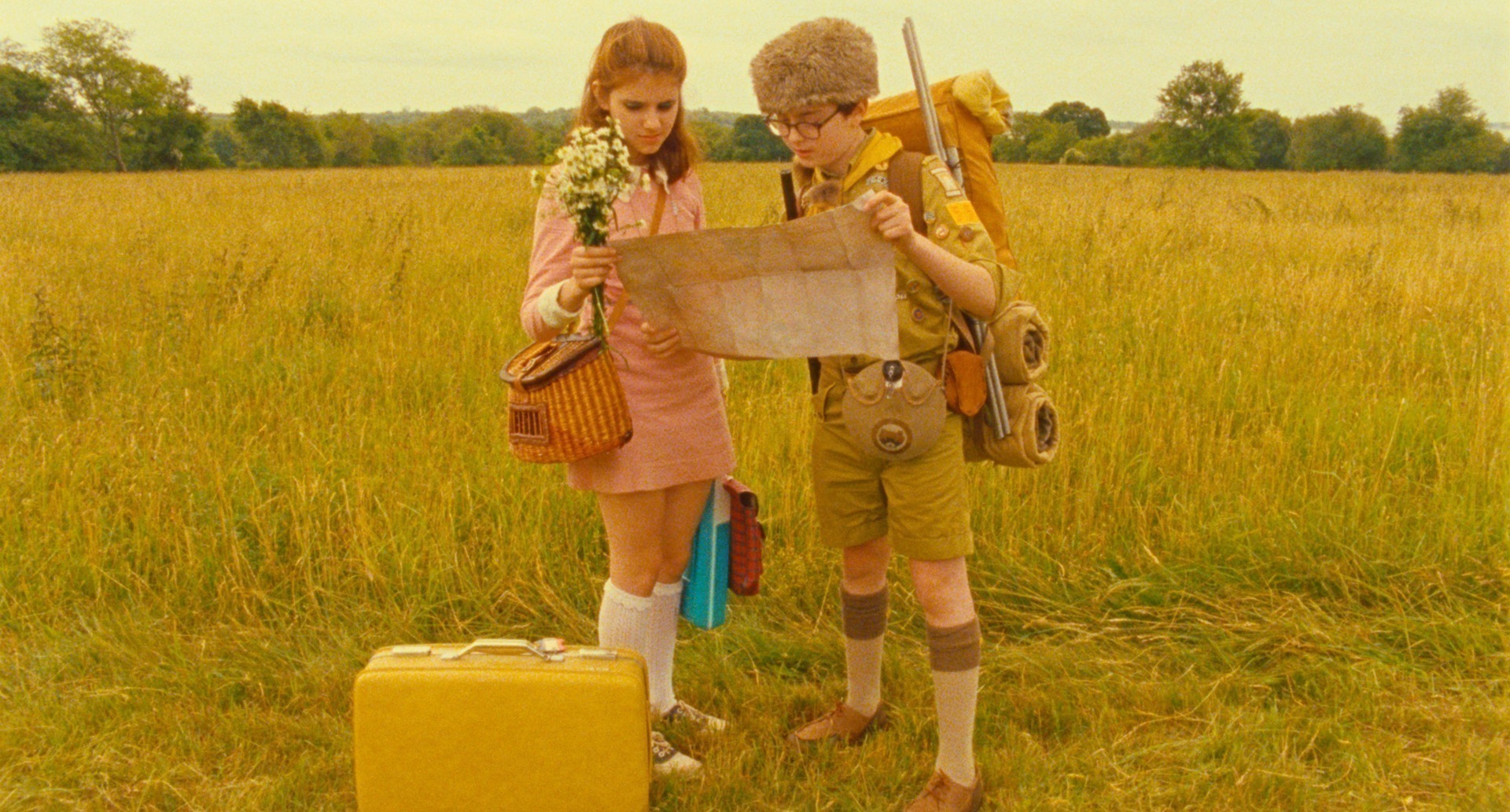
Bottle Rocket (an expansion of an earlier short) might be Anderson’s first masterpiece, but it didn’t entirely prepare us for what was to come. In subsequent years, Anderson’s work became still more childlike in stylistic spirit, even as the director developed a penchant for formal control perhaps unparalleled in modern American cinema. The languorous, alt-Texas mood of Bottle Rocket—released in the heyday of the 1990s indie revolution, a roughly defined movement that also introduced viewers to names like Quentin Tarantino, Paul Thomas Anderson, Kevin Smith, and Richard Linklater—soon gave way to the dry comedy and visual precision of Rushmore (1998), followed by the curated melancholy of The Royal Tenenbaums (2001) and The Life Aquatic with Steve Zissou (2004). And beyond—with each new effort somehow more wesandersonian than the previous one.
Is that in the dictionary yet, wesandersonian? It should be, if only because the other words so often used to describe the director’s films are all so insufficient: whimsical, quirky, twee. None of these terms really fit, because they seek to categorize, and thus reduce, something defined by its very uncategorizability (a word that also does not appear to be in the dictionary). The constant dance of regression and anticipation in his work spins around something inexact and inexplicable. His characters organize; they construct; they plan; they have rules; they have rituals. And it’s all in an effort to contain and understand an uncontainable, unknowable world.
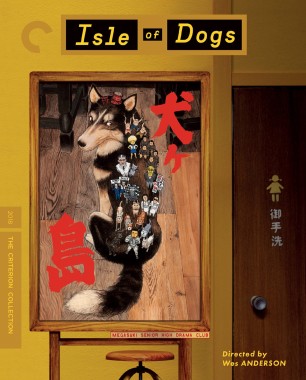
Similarly, The Grand Budapest Hotel is an elegiac romance set in a country that doesn’t exist, on the eve of a war that never happened. But it gathers a dark, familiar charge as soon as we witness the black-coated thugs, the border police asking for papers, the whispers about laws changing. Is this an allegory, a veiled depiction of a real place and time? More than anything, The Grand Budapest Hotel plays like a dream one might have after living through the first half of the twentieth century. (Again, the precocity! Wes Anderson was born in 1969.) Sinister overtones also creep through the lighthearted symbolism of the animated Isle of Dogs (2018), set in a Japanese city taken over by anti-dog gangsters who banish all canines to a trash-strewn island. Racism, authoritarianism, rebellion, injustice—these aren’t just convenient elements for drama; they also echo the social and cultural anxieties of our age. While his early work had been deemed (somewhat incorrectly) apolitical, Anderson now engages more directly with what’s happening around him, albeit still in his own oblique way. The individual episodes of The French Dispatch of the Liberty, Kansas Evening Sun (2021) center on uprisings, prison, bigotry, corruption. Meanwhile, Anderson’s style is more mannered and ornate than ever, that anthology film an infinite jewel box of incidents, memories, stories—all reflecting the characters’ ultimate helplessness in shaping the events around them.
Jean Renoir once remarked that every director essentially makes the same movie again and again. Wes Anderson’s cinema has transformed in remarkable ways, but Renoir’s statement remains true. Anderson’s image in popular culture might be that of a perfectionist who creates hermetically sealed worlds, but what he has really done is add new chapters to an ongoing tale of how the real world always intrudes. And as that world has grown more apocalyptic, so, too, have Anderson’s cinematic contraptions become more elaborate. (Indeed, his masterly 2023 feature Asteroid City might be his most intricately structured film to date. Its broad cast of characters could almost serve as an overview of Anderson’s career, with its overachieving children and lovesick adults all wrestling with the infinite and unknowable, be it the mysteries of the universe or elusive matters of the heart.) His style speaks to us of control, but what it really reflects is our own loss of it. His people might seem quaint, even archaic, demonstrating outdated attitudes, wearing unfashionable clothes, obsessing over obscure matters. So why, then, are they so human, so recognizable to us? Maybe because Anderson has located the great paradox of our era: that we are all forever out of step and out of touch with our rapidly changing times. The modern world both infantilizes us and drowns us in responsibility and terror. We have no place in it, yet we can never escape it.
At the end of The Grand Budapest Hotel, decades after the central events, it is remarked of M. Gustave (Ralph Fiennes), the film’s exceedingly courtly and crafty concierge hero, that “his world had vanished long before he ever entered it.” On its surface, the movie has, up to this point, shown us how Gustave’s old-world manners and code of honor were destroyed by the rise of totalitarianism and twentieth-century political violence. Now, this touching line suggests that these values had perhaps disappeared even earlier, and Gustave was merely living in their ruins without quite realizing it. Looking at the broader arc of Anderson’s career, however, we can perhaps understand these words as intimating something even more haunting and profound: that Gustave’s world was never really there in the first place. Like all of Wes Anderson’s protagonists, his compass points in a direction that may have never existed.



More: Essays
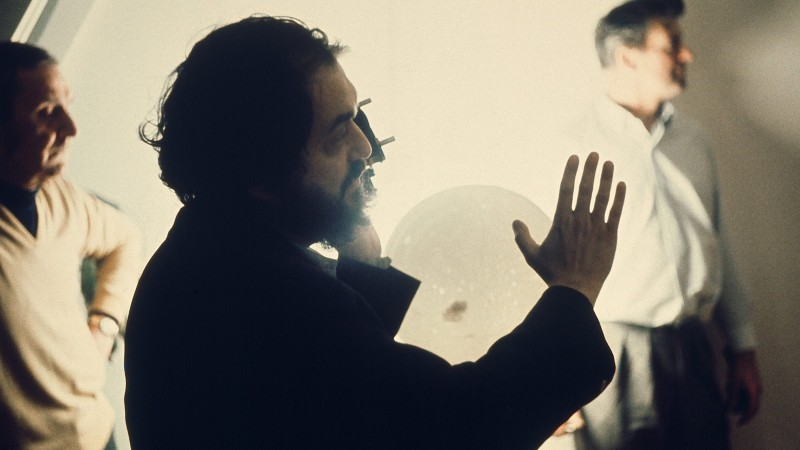
God Laughs: Stanley Kubrick’s Cinema
Throughout his enormously influential body of work, the great director explored the conflict between humankind’s obsession with control and our capacity for error and failure.
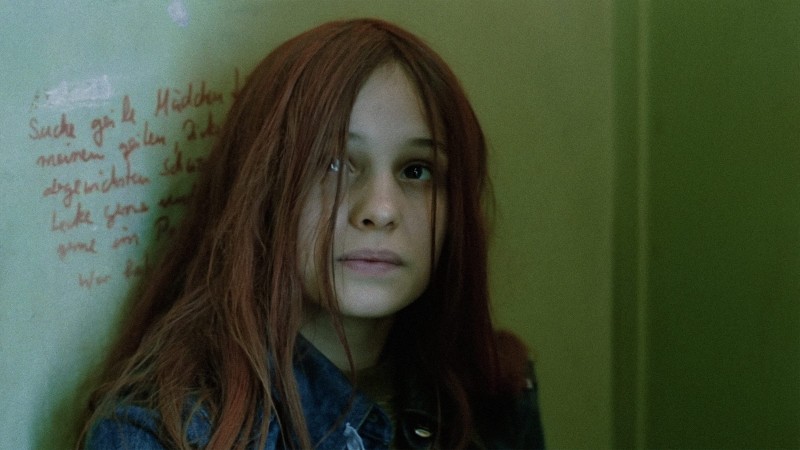
Christiane F.: Up Against the Wall
Uli Edel’s harrowing tale of youth rebellion is one of cinema’s greatest Berlin films, a visceral urban portrait that captures the city’s doom and decadence during the Cold War era.
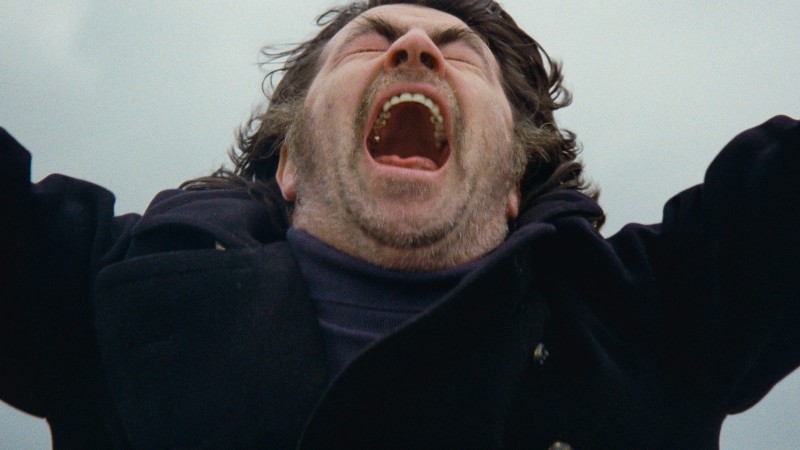
The Shout: Sound and Fury
Blending elements of psychological thriller, social satire, and psychedelic film, Jerzy Skolimowski’s Cannes-award-winning classic uses its audacious sound design to evoke the terror of English civilization.
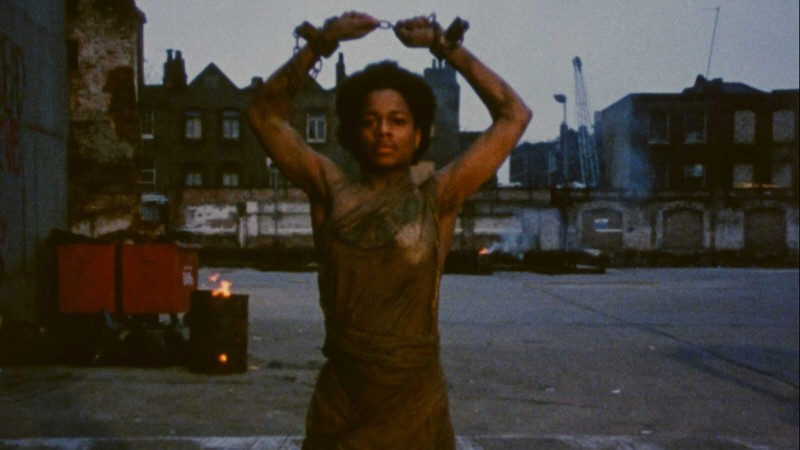
Welcome II the Terrordome: The Future Is Furious
A dystopian drama that draws on the influences of African mythology and hip-hop, Ngozi Onwurah’s debut feature uses a mix of speculative forms to expose anti-Blackness as a system that underpins the modern world.