Sophy Romvari’s Blue Heron
Share
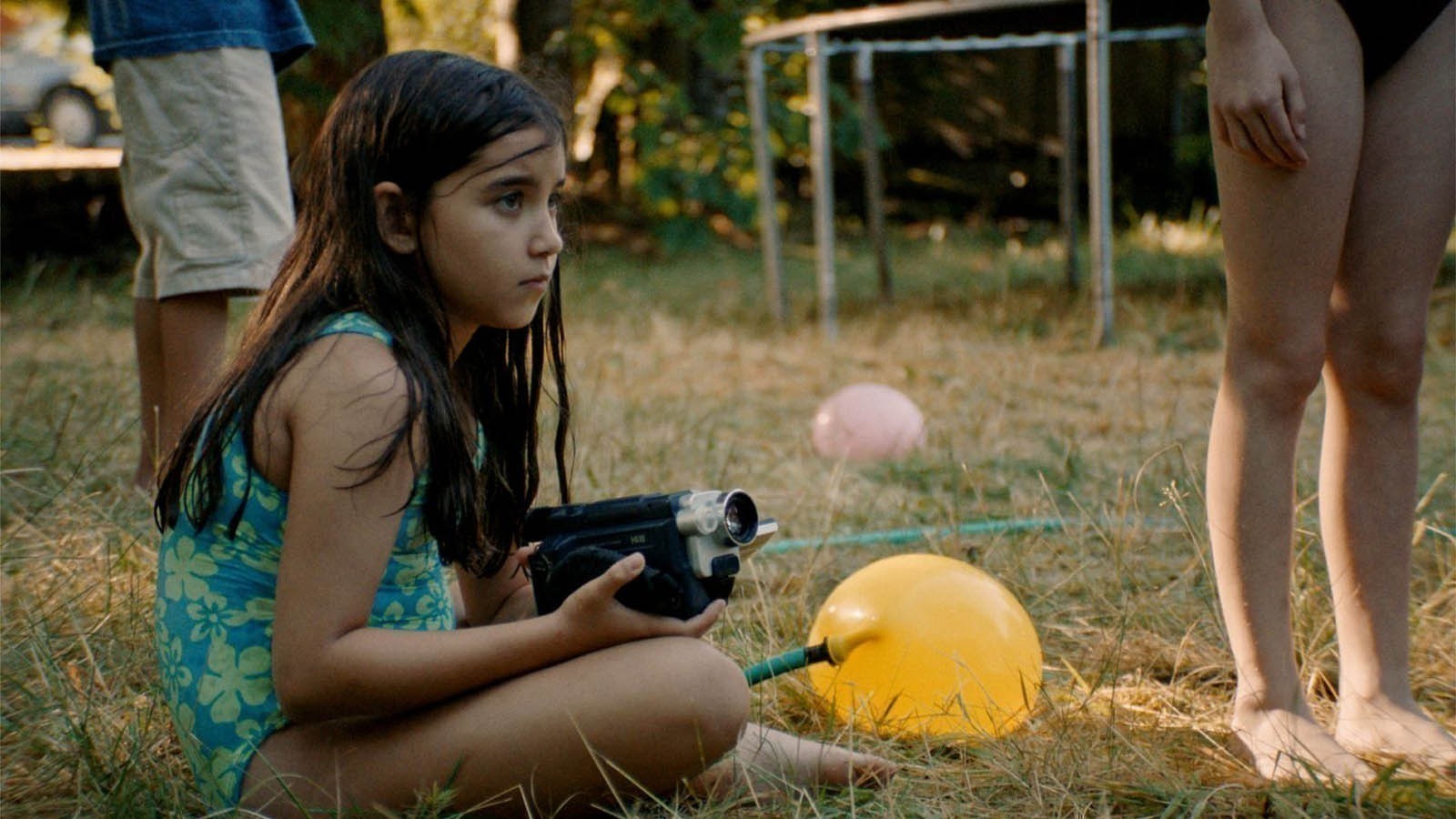
In the first episode of The Last Thing I Saw recorded in Locarno this year, Nicolas Rapold speaks glowingly of the way writer and director Sophy Romvari—working with cinematographer Maya Bankovic, editor Kurt Walker, and sound designer Péter Benjámin Lukács—has structured Blue Heron so that there is barely a hint of the wrenching turning points to come. The first half of the film plays out from the point of view of eight-year-old Sasha (Eylul Guven), a stand-in for the child Romvari was in the 1990s, and for Rapold, Blue Heron admirably “gets a lot of things that seem so obvious that you forget to put them in a movie.”
“The hum of a refrigerator, the distant drone of a neighbor’s lawnmower, the tinny bleeping of a vintage Gameboy, the rhythmic creak of trampoline springs in action,” writes Guy Lodge in Variety. “Romvari‘s graceful, singularly heartsore debut feature has a sharp understanding of how memories form and age: Often it’s the incidental, ambient details you recall as vividly as the more significant events at hand.”
Sasha’s Hungarian family is setting up a new home in a suburb on Vancouver Island when her older stepbrother, Jeremy (Edik Beddoes), begins acting out in self-destructive ways. “Yet Romvari refuses to write him off as a troubled child,” writes Leonardo Goi at the Film Stage. “Yes, the kid is most certainly not all right, but he traverses Blue Heron as its most mysterious, elusive character, and that impenetrability is a measure of Romvari’s empathy. Rather than pathologizing his pain—a tendency his own parents succumb to—she invites us to sit with it and bask in his drawn-out silences, in the gaps between the words and imperfect memories that grown-up Sasha (Amy Zimmer), in the film’s second half, will try piecing together.”
At In Review Online, Chris Cassingham notes that “Sasha’s curious gaze is often mediated—by closed doors, windows, physical distance, emotional maturity, or the lens of a video camera—though her perspective never feels wanting. In fact, the distance of Romvari’s camera, at once admiring and wary, is a meaningful way to observe this troubled family, for the film’s strengths lie in implication and ellipsis, not in explication.”
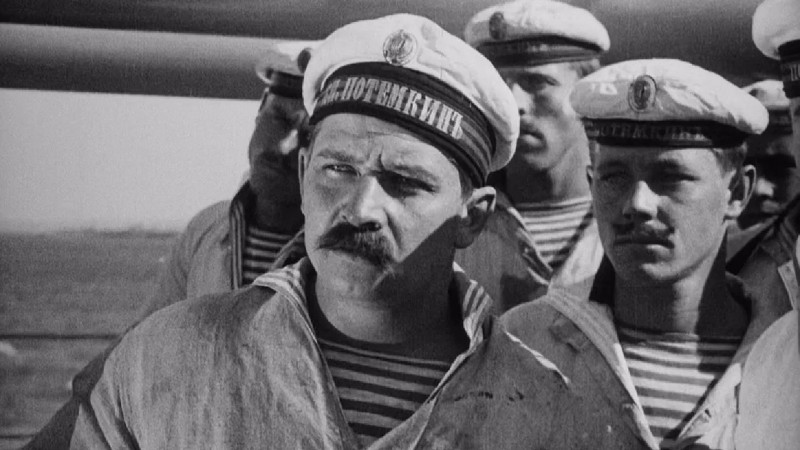
Romvari’s first feature follows more than a dozen highly regarded short films made in about as many years, and she talks with Deadline’s Zac Ntim about shooting a period piece with actors flown in from Europe for under a million dollars. At Letterboxd, she’s put together a terrific annotated list of films that bear some sort of influence on Blue Heron, which has premiered in Locarno’s Filmmakers of the Present competition and will screen in Toronto’s Centerpiece program.
Don’t miss out on your Daily briefing! Subscribe to the RSS feed.