Sun-Drenched Seduction: Miami Neonoir

On the surface, Miami, Florida, and its surrounding areas can seem like paradise. The visuals come easy—a finger sliding over the condensation on a margarita glass, palm trees swaying in the breeze, the crash of aqua-blue waves onto pristine, beige sand. You can be lulled into a luxurious stupor, lying under an umbrella while the raging sun beats down. But there are also long shadows that hang over the beaches, and dark alleyways that wind around the edges of this tropical oasis—and underneath the friendly smiles and warm embraces, you can sometimes find something much more sinister. Believe it or not, paradise can kill you.
It’s the sharp, cutting contrast between the bright lights of the city and its seamy underbelly that makes Miami so vivid on-screen—and the ideal setting for film noir. The city is complex and expansive, stretching from the nightclubs of South Beach to the cookie-cutter townhouses of Kendall, the working-class gristle of Hialeah, and the vibrant art scene and potent blend of cultures of the Design District. Logjammed highways, desolate hourly motels downtown, isolated swaths of swampland—these are places where noir thrives.
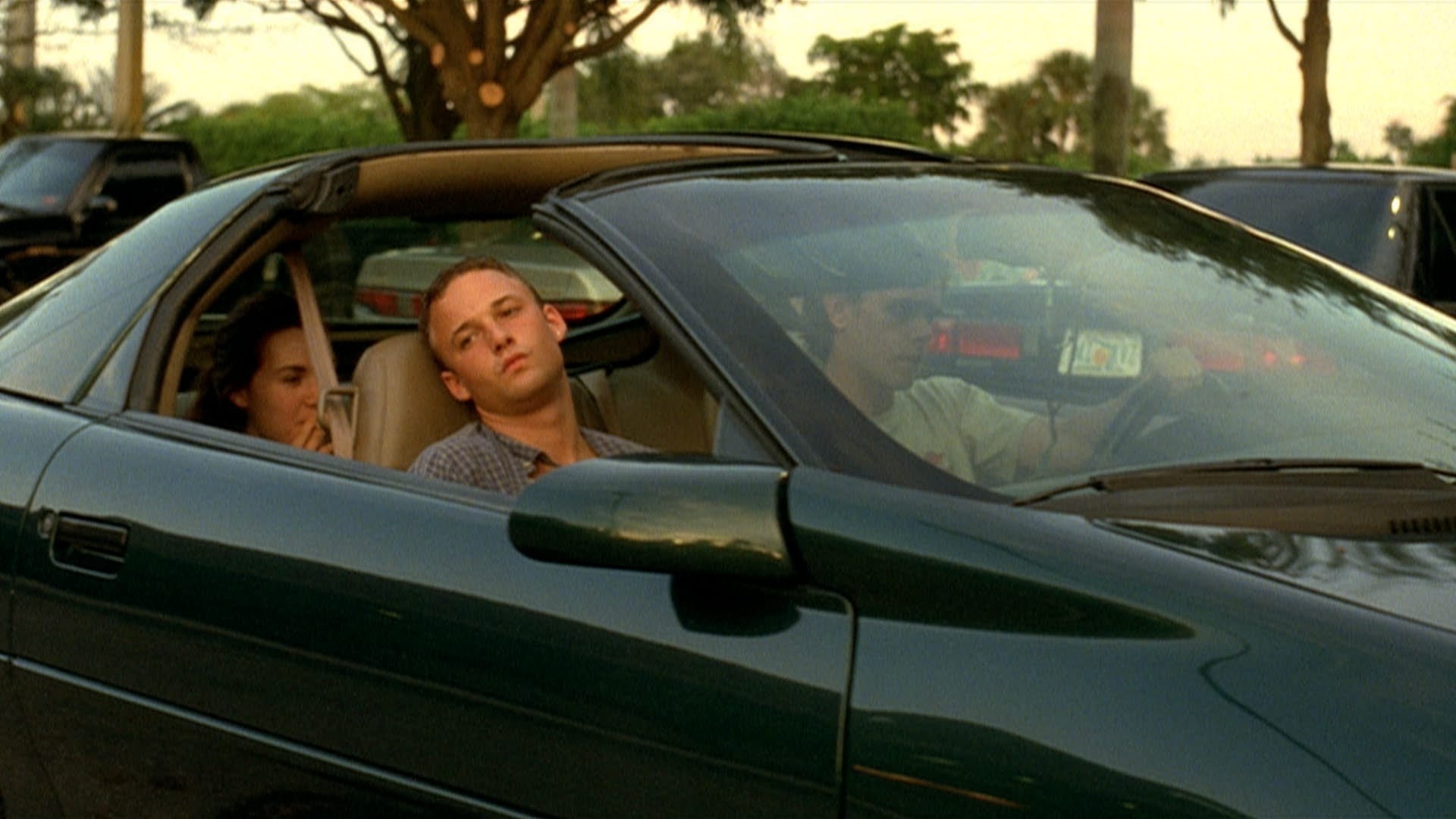
Noir is about existing in the dark. It’s about what we do in the shadows and the bad choices we make—and the lengths we will go to protect ourselves. And it is remarkably flexible geographically—equally at home in New York, the American Midwest, Los Angeles, Paris, Tokyo, London, Moscow, and Rome. Miami has long been the kind of place that attracts the desperate—and the people eager to take advantage of them, in the classic noir mold. As the films now playing on the Criterion Channel reveal, the city can be infused with a noir flavor in myriad ways—from the high-octane, MDMA-fueled urban kineticism of Miami Vice (2006) to the sultry, sun-soaked, small-town eroticism of Body Heat (1981) and China Moon (1994) to the “only a Miamian would get it”–style humor of Miami Blues (1990) and Out of Sight (1998).


More: Features

Small Town, Big Money: Capitalism Runs Amok in Turumba
In Kidlat Tahimik’s playful and unpredictable film, a Philippine village is tasked with manufacturing thousands of figurines for the Olympic Games, upending the lives and customs of the local population.

The Sudanese Film Group’s Legacy of Political Resistance and Creative Liberation
The members of this influential leftist collective created a formally adventurous body of work that examined the nation’s tumultuous history through a postcolonial lens.
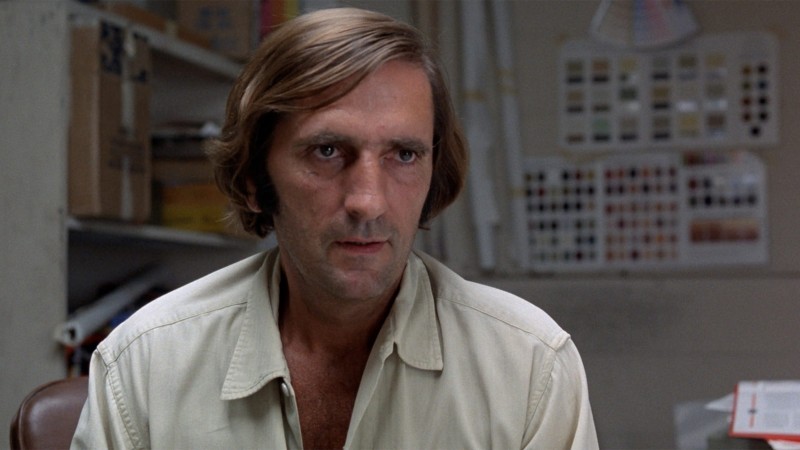
Get Me Out of Here: Harry Dean Stanton in Straight Time
In one of his greatest performances, the celebrated actor shows off his range by fusing the two modes that defined his career: the misanthropic provocateur and the soulful survivor-witness.

Věra Chytilová’s Boldly Antiauthoritarian Take on Teen Horror
A characteristically rebellious work from the Czechoslovak New Wave pioneer, Wolf’s Hole explores the perilous absurdities of groupthink through the story of eleven youths held captive at a skiing retreat.