Carnal Knowledge: Men Talking
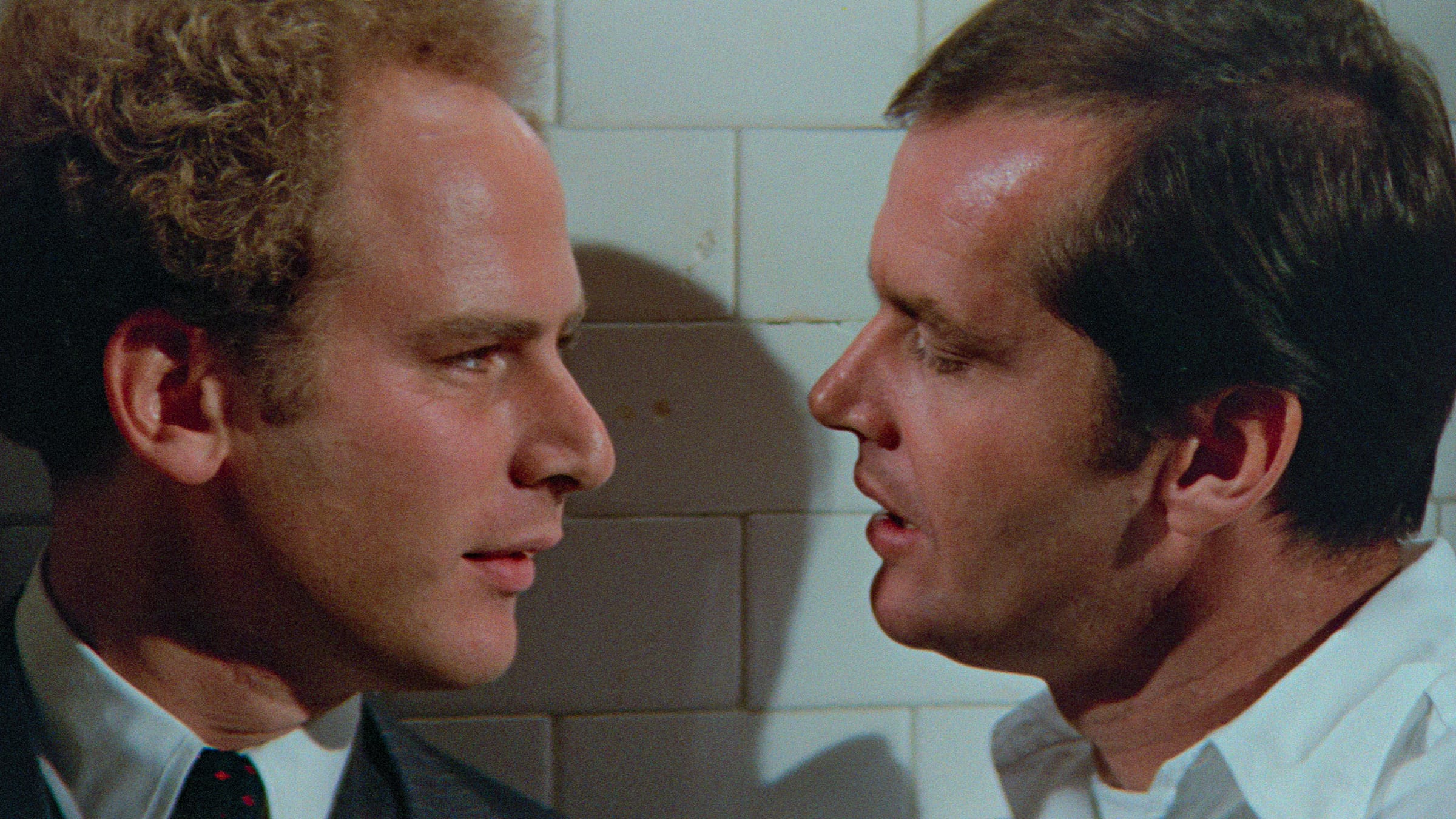
“What do we do with these men?” As I watched Mike Nichols’s Carnal Knowledge (1971), I found this line in my head, along with the New York Times article that it comes from. In 2018, at the height of the #MeToo movement, the journalist Katie J. M. Baker wondered what should happen in its aftermath—not to the convicted serial rapists, but to all the men who had done more ordinary bad things, who had been exposed and publicly embarrassed and in some cases even fired from their jobs, but who were not heading to court. Baker, who has spent her career covering sexual violence, did not give an answer; her point was to insist on the seriousness of the question. She cautioned: “To tell men to sit down, to stay quiet, to disappear—cathartic as it may be—is its own form of looking away.”
Carnal Knowledge does the opposite: it gazes intently at men’s sexual behaviors and listens closely to what they say about the women they desire and mistreat. Though the movie was made more than half a century ago and tells a story that spans from the late 1940s to the early ’70s, it feels urgent to me now because it develops a rigorous form for analyzing what we have recently come to call “toxic masculinity.”
The film emerged several years into another seismic phenomenon: the sexual revolution. Americans were coming to see sex as a way, if not the way, of getting to know yourself. This spirit of hedonism was championed by iconic magazines like Hugh Hefner’s Playboy and Helen Gurley Brown’s Cosmopolitan. Brown’s best-selling advice books Sex and the Single Girl (1962) and Sex and the Office (1964), along with novels like Erica Jong’s Fear of Flying (1973), broke new ground. But this cultural shift troubled many women who saw how young men raised in the fifties brought old-fashioned forms of misogyny into free-love culture. As the rock critic and activist Ellen Willis put it in 1969, “the rhetoric of emancipation has far outstripped the social reality. The ‘liberated woman,’ like the ‘free world,’ is a fiction that obscures real power relations.” Around the same time, the writer and activist Ti-Grace Atkinson advocated lesbian separatism as the ultimate practical expression of feminism.

More: Essays
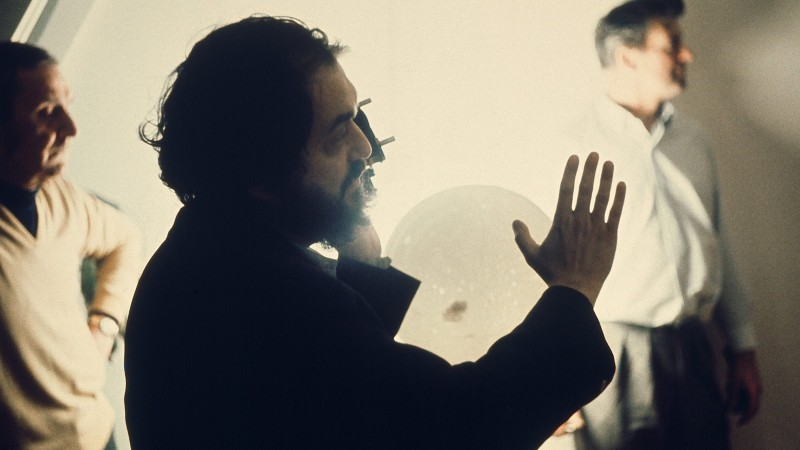
God Laughs: Stanley Kubrick’s Cinema
Throughout his enormously influential body of work, the great director explored the conflict between humankind’s obsession with control and our capacity for error and failure.

Christiane F.: Up Against the Wall
Uli Edel’s harrowing tale of youth rebellion is one of cinema’s greatest Berlin films, a visceral urban portrait that captures the city’s doom and decadence during the Cold War era.

The Shout: Sound and Fury
Blending elements of psychological thriller, social satire, and psychedelic film, Jerzy Skolimowski’s Cannes-award-winning classic uses its audacious sound design to evoke the terror of English civilization.
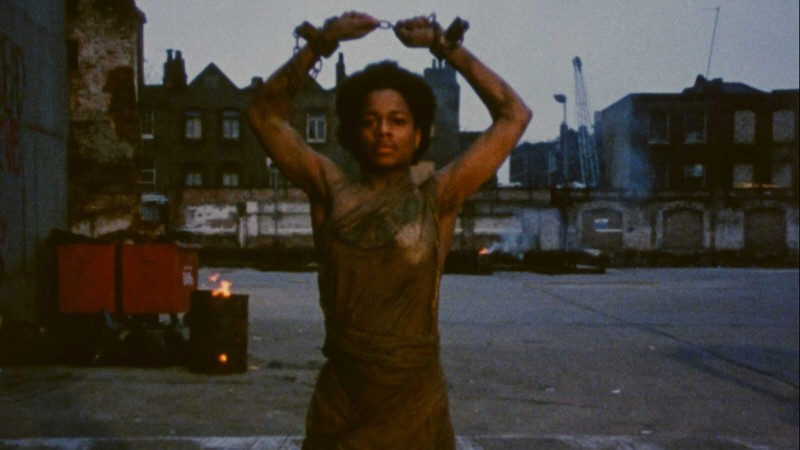
Welcome II the Terrordome: The Future Is Furious
A dystopian drama that draws on the influences of African mythology and hip-hop, Ngozi Onwurah’s debut feature uses a mix of speculative forms to expose anti-Blackness as a system that underpins the modern world.