

Memories of Murder: In the Killing Jar

Share
1. “I Felt Nothing”
In September 2019, about halfway between claiming the Palme d’Or at Cannes in May and earning multiple Oscar nominations in January 2020, Bong Joon Ho’s Parasite was briefly upstaged by a movie from the director’s past. His second feature, Memories of Murder (2003), had grappled with South Korea’s most chilling cold case: a spree in which ten women and girls were raped and murdered near Hwaseong, about twenty-six miles south of Seoul. (Song Kang Ho, a star of Parasite, plays one of the police detectives obsessed with nabbing the culprit.) According to a May 2020 CNN story, “About 226,000 people lived in the area, scattered among a number of villages between forested hills and rice paddies,” in a region that previously had reported “no real crime to speak of.” The slaughter began in 1986 and continued for five years. A suspect was jailed for one of the crimes in 1989 and released on parole in 2009; the others, however, went unanswered. The specter of what have been called Korea’s first serial killings profoundly spooked the nation: Police investigated over 20,000 people, some even after the statute of limitations expired in 2006. Over two million “man-days” were devoted to the case—nearly 5,500 years, longer by a millennium than Korea itself has been around. You could think of the investigation as an entire civilization built around a singular depravity.
Thirty-three years after the first body was found and sixteen after Memories of Murder became a hit in South Korea, news broke that modern DNA testing had most likely identified the killer, linking one man to several of the victims: Lee Chun-jae, fifty-six, a Hwaseong native already in jail for a 1994 crime in another city. Lee had settled back in the Hwaseong area in 1986, after finishing his mandatory military service; he lived within two miles of most of the murders. Lee eventually confessed to all the killings, plus five others, as well as more than thirty rapes.
One startling revelation: in prison, Lee had seen Memories of Murder. “I felt nothing while watching it,” he told reporters. The “killings were never really on my mind, and I seldom linked myself to them in my thoughts.”
The Parasite juggernaut rolled on. In February 2020, Bong’s tale of two families triumphed on cinema’s biggest stage, the Academy Awards, winning the Oscar for best picture—the first for any foreign-language film. By then, the Lee case had dwindled to a footnote, and as another kind of parasite—the COVID-19 coronavirus—spread across the globe, the Hwaseong case drifted off the news radar, for the most part. In the fall of 2020, Lee apologized to Yoon Seong-yeo, the man jailed for one of the murders, at a retrial to clear the latter’s name.
Lee felt nothing as dramatized versions of his cruelty flashed on the screen. Can we ever watch this movie the same way again?


More: Essays
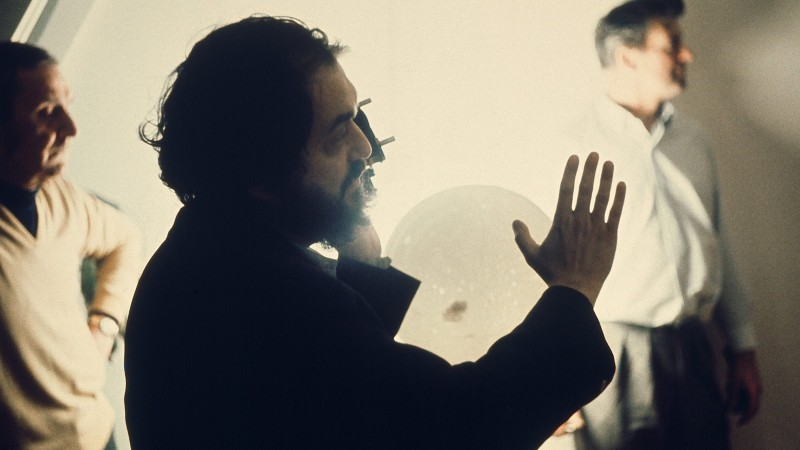
God Laughs: Stanley Kubrick’s Cinema
Throughout his enormously influential body of work, the great director explored the conflict between humankind’s obsession with control and our capacity for error and failure.
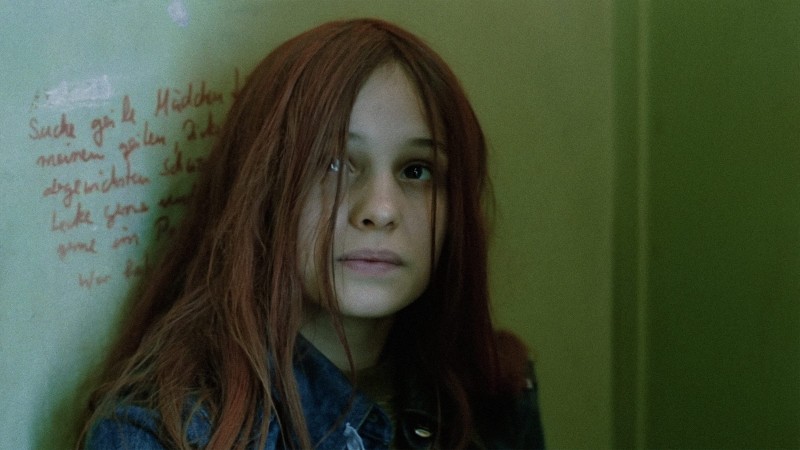
Christiane F.: Up Against the Wall
Uli Edel’s harrowing tale of youth rebellion is one of cinema’s greatest Berlin films, a visceral urban portrait that captures the city’s doom and decadence during the Cold War era.
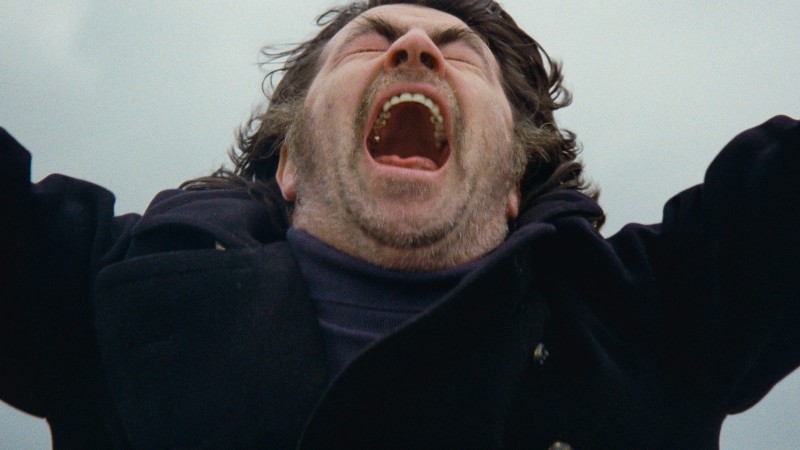
The Shout: Sound and Fury
Blending elements of psychological thriller, social satire, and psychedelic film, Jerzy Skolimowski’s Cannes-award-winning classic uses its audacious sound design to evoke the terror of English civilization.
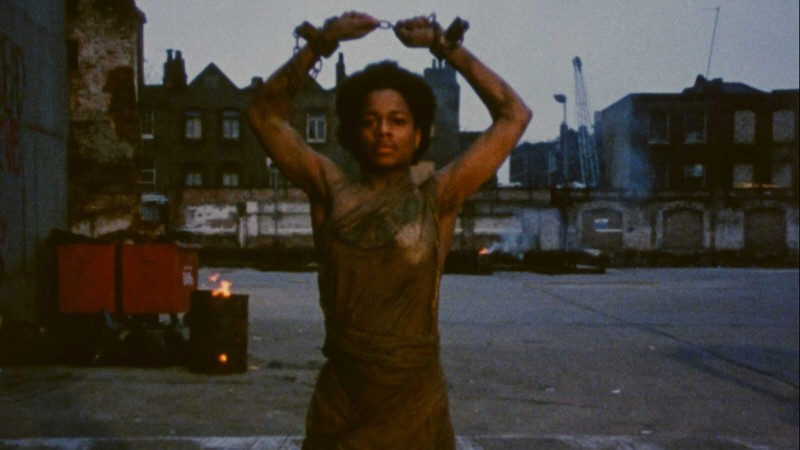
Welcome II the Terrordome: The Future Is Furious
A dystopian drama that draws on the influences of African mythology and hip-hop, Ngozi Onwurah’s debut feature uses a mix of speculative forms to expose anti-Blackness as a system that underpins the modern world.