Eclipse Series 48: Kinuyo Tanaka Directs
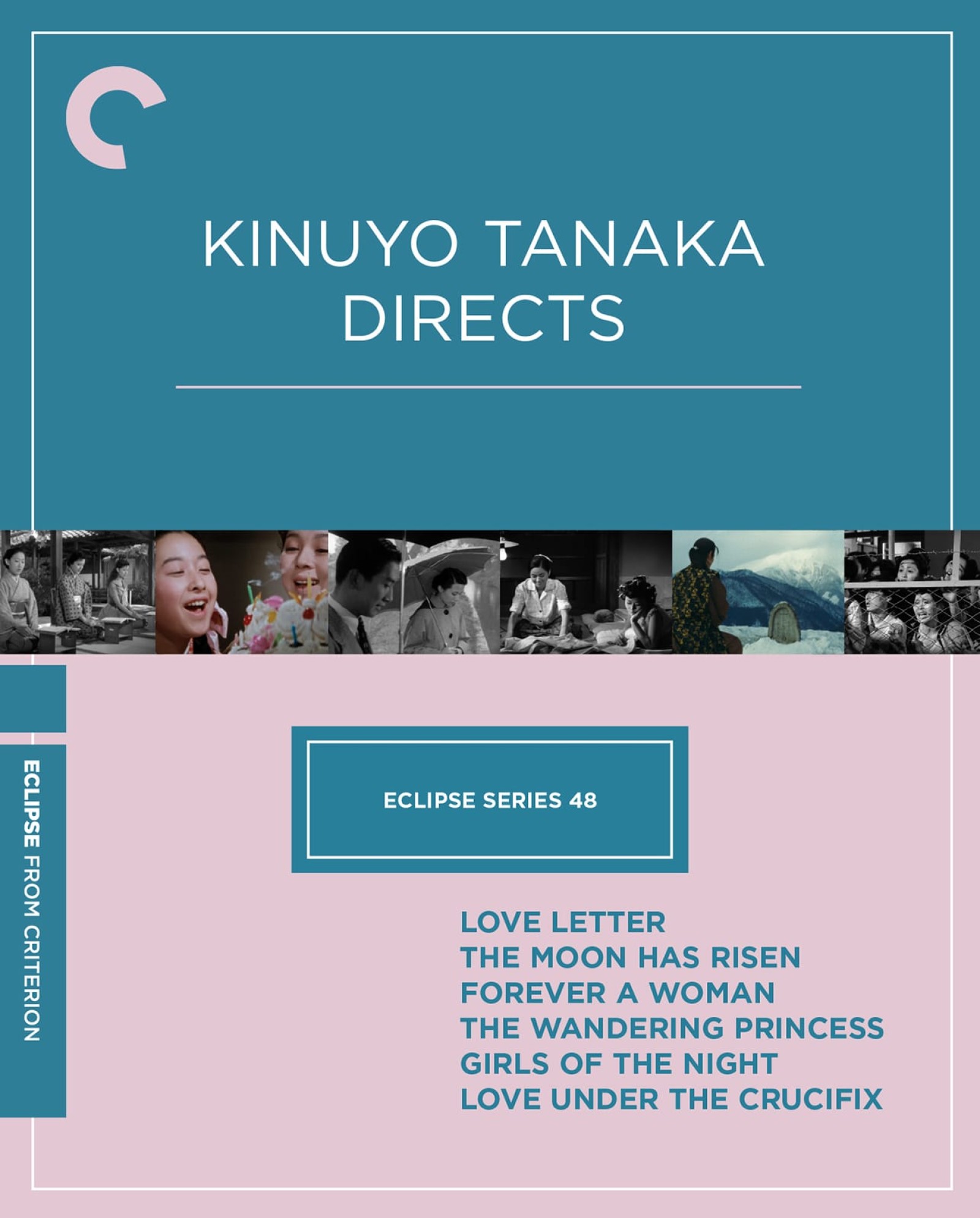
Kinuyo Tanaka was already one of Japan’s greatest actors—celebrated for her collaborations with auteurs such as Kenji Mizoguchi, Yasujiro Ozu, and Mikio Naruse—when she took a brave leap by embarking on a directing career in a studio system that actively discouraged female filmmakers. The six features she made over the course of a decade center on women characters who refuse to conform to restrictive roles as they seek independence. With compassion and insight, Tanaka critiques the social conditions and forces that shape her heroines’ struggles: sex work and social shaming, the expectation of passively entering arranged marriages, taboos surrounding illness and the female body, imperialism, and religious persecution and forbidden love.
Films In This Set
-
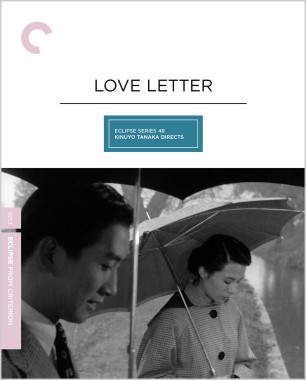 Love Letter 1953
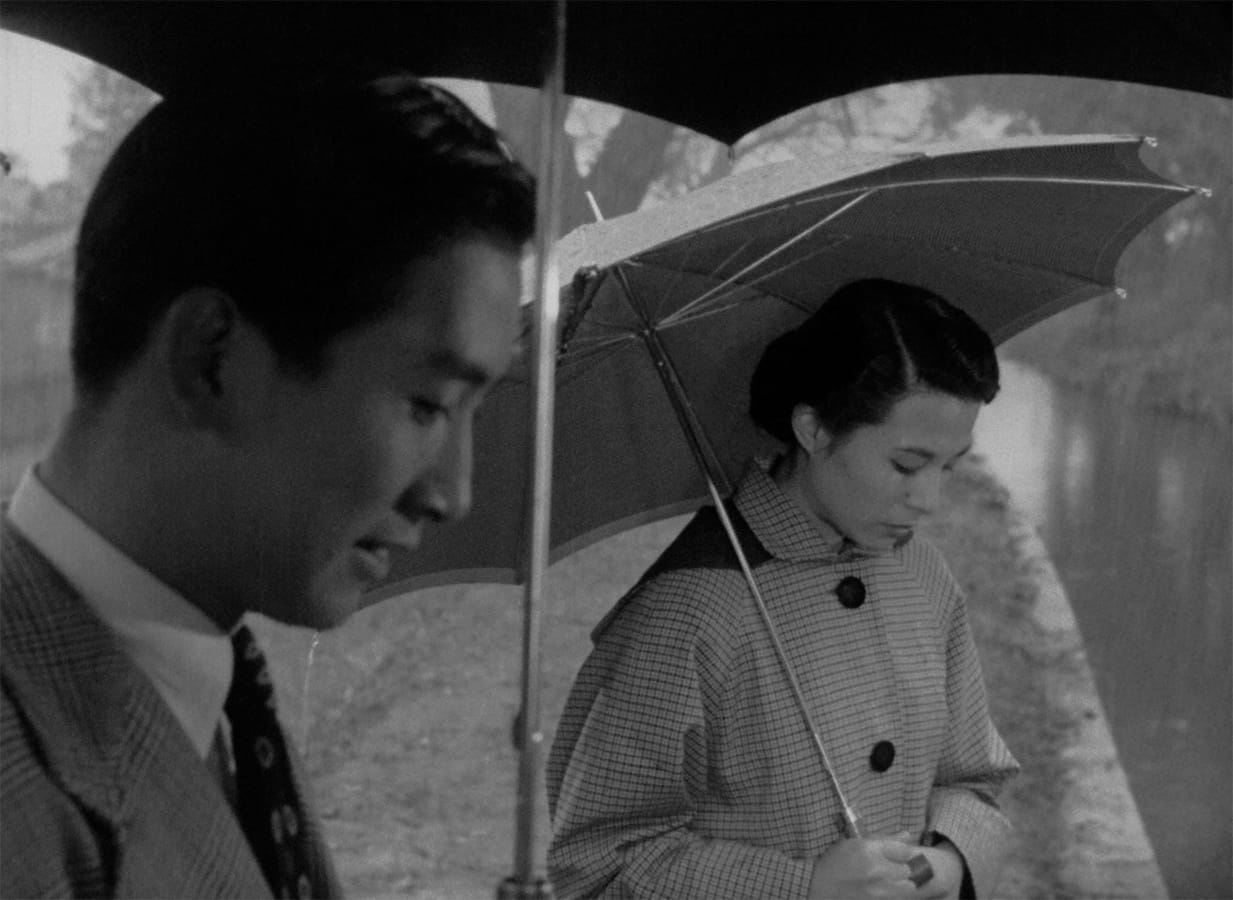
Released a year after the American occupation of Japan ended, Kinuyo Tanaka’s directorial debut explores the professional and personal conflicts of Reikichi (Masayuki Mori), a repatriated veteran who searches for his lost love (Yoshiko Kuga) while translating romantic letters from Japanese women to American GIs. Adapted from a novel by Fumio Niwa, Love Letter depicts with incisive complexity Japanese soldiers struggling to adapt to a changed society, as well as the moral condemnation of Japanese women who became involved with the enemy.
Love Letter was restored in 4K resolution by Kokusai Hoei, Co. Ltd. in cooperation with The Japan Foundation. -
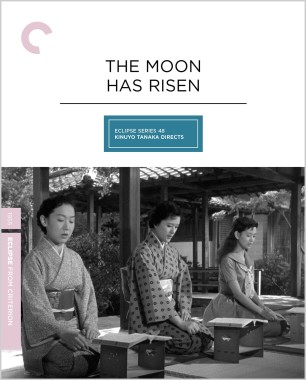 The Moon Has Risen 1955
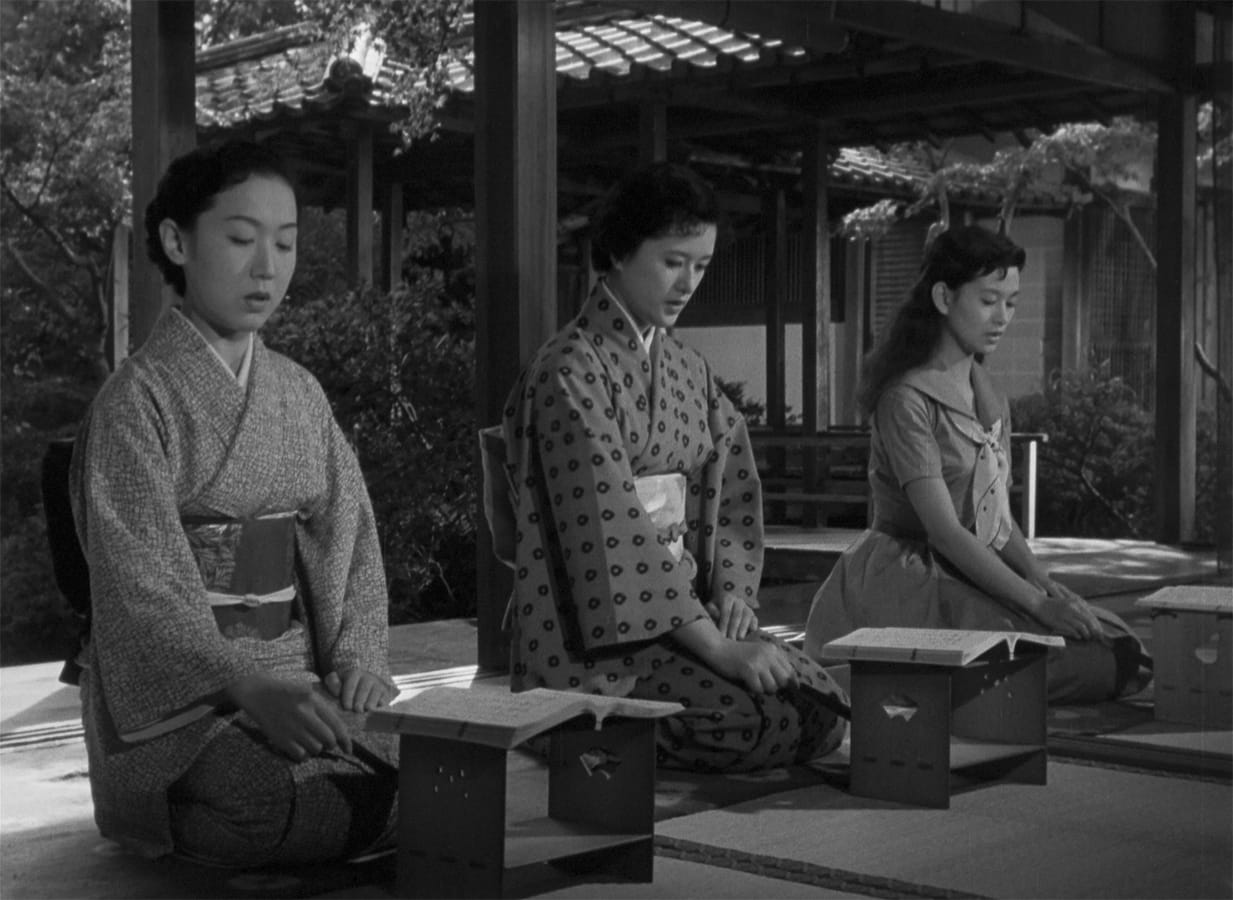
For her second film, Kinuyo Tanaka directed a script by legendary filmmaker Yasujiro Ozu, one of her mentors. Though informed by Ozu’s singular take on familial relationships, The Moon Has Risen also possesses Tanaka’s lively and elegant comic sensibility in its portrait of a widower (Chishu Ryu) who lives with his three daughters (Hisako Yamane, Yoko Sugi, and Mie Kitahara). Kitahara shines as the spirited youngest sister, whose matchmaking schemes force the family to confront—with amusing bewilderment—Japanese society’s rapidly evolving mores.
The Moon Has Risen was restored in 4K resolution by Nikkatsu Corporation in cooperation with The Japan Foundation. -
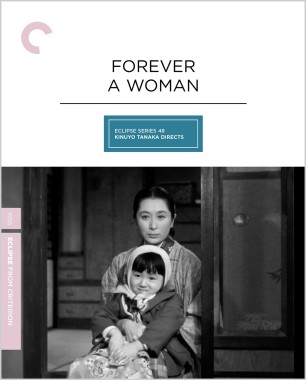 Forever a Woman 1955
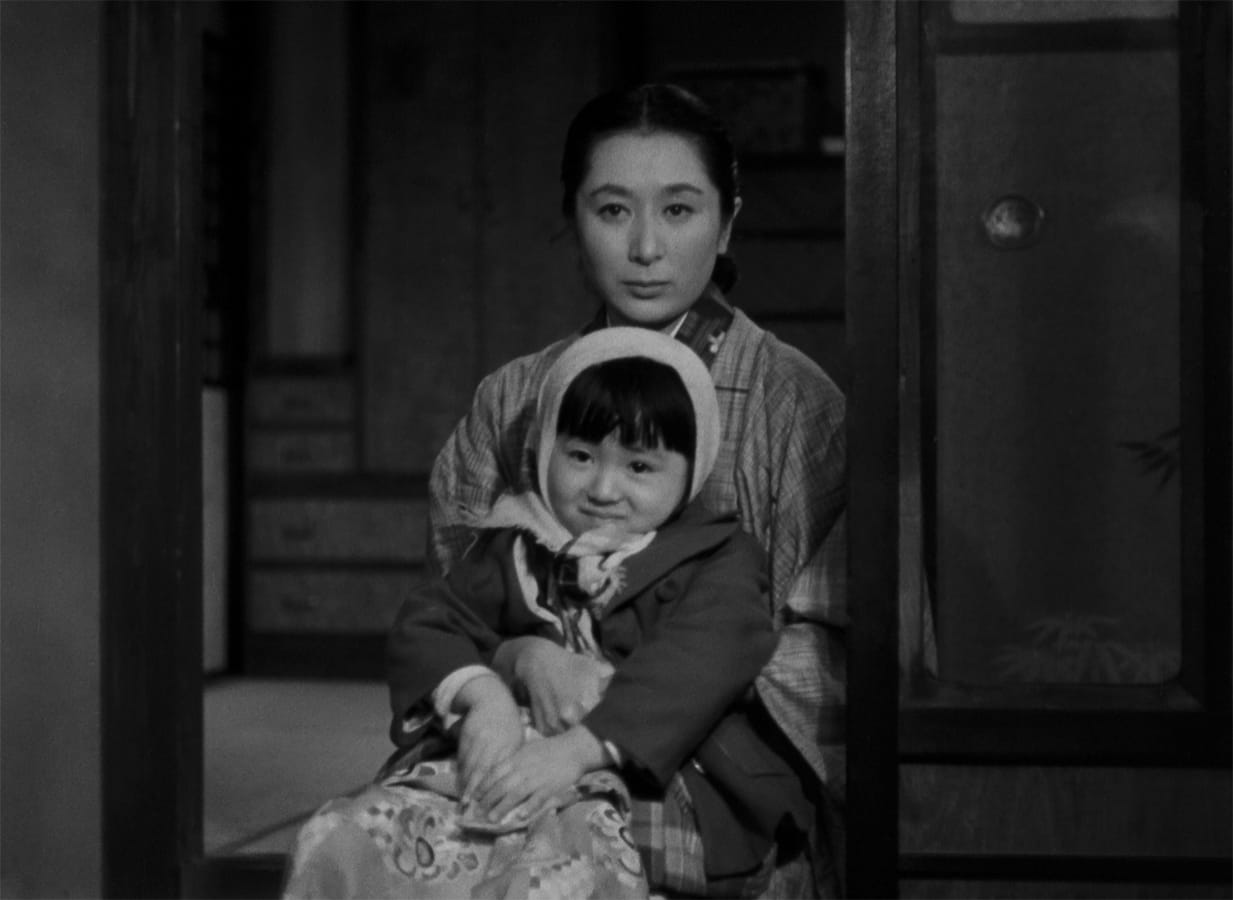
Generally regarded as Kinuyo Tanaka’s masterpiece, as well as her first personal film, Forever a Woman tells the story of a recent divorcée (Yumeji Tsukioka) who is diagnosed with late-stage breast cancer. In adapting the real-life story of poet Fumiko Nakajo, Tanaka and screenwriter Sumie Tanaka (a longtime collaborator of Mikio Naruse’s, though of no familial relation to Kinuyo) investigate issues of mortality, sexuality, and female independence with a frankness and audacity unprecedented in postwar Japanese cinema.
Forever a Woman was restored in 4K resolution by Nikkatsu Corporation in cooperation with The Japan Foundation. -
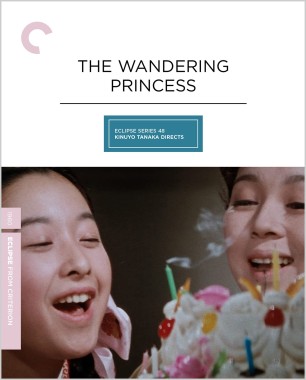 The Wandering Princess 1960
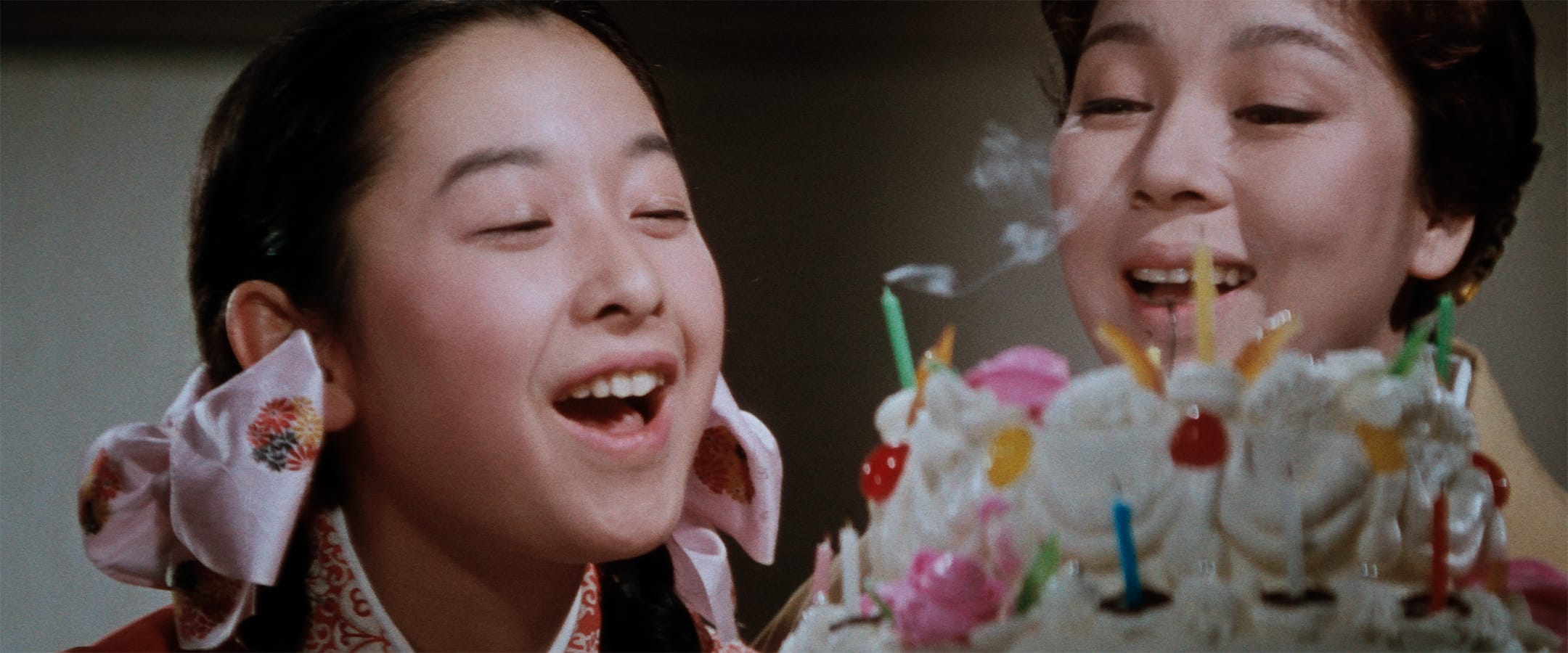
Kinuyo Tanaka’s first film in both color and CinemaScope is an epic about a woman caught in the torrents of history. Based on the memoirs of Hiro Saga, The Wandering Princess tells the story of Ryuko (Machiko Kyo), an aristocrat who, at the outset of World War II, enters an arranged marriage with Futetsu (Eiji Funakoshi), the younger brother of a soon-to-be-deposed monarch. With the story of Ryuko’s enmeshment in the Japanese colonization of Manchuria, Tanaka realizes with startling depth her ambition to relate a historical saga from a critical female perspective.
The Wandering Princess was restored in 4K resolution by Kadokawa Corporation in cooperation with The Japan Foundation. -
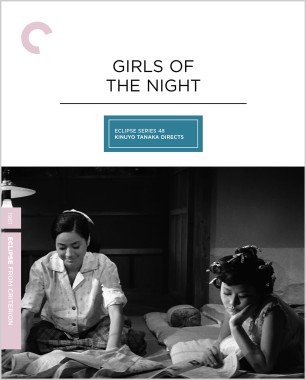 Girls of the Night 1961
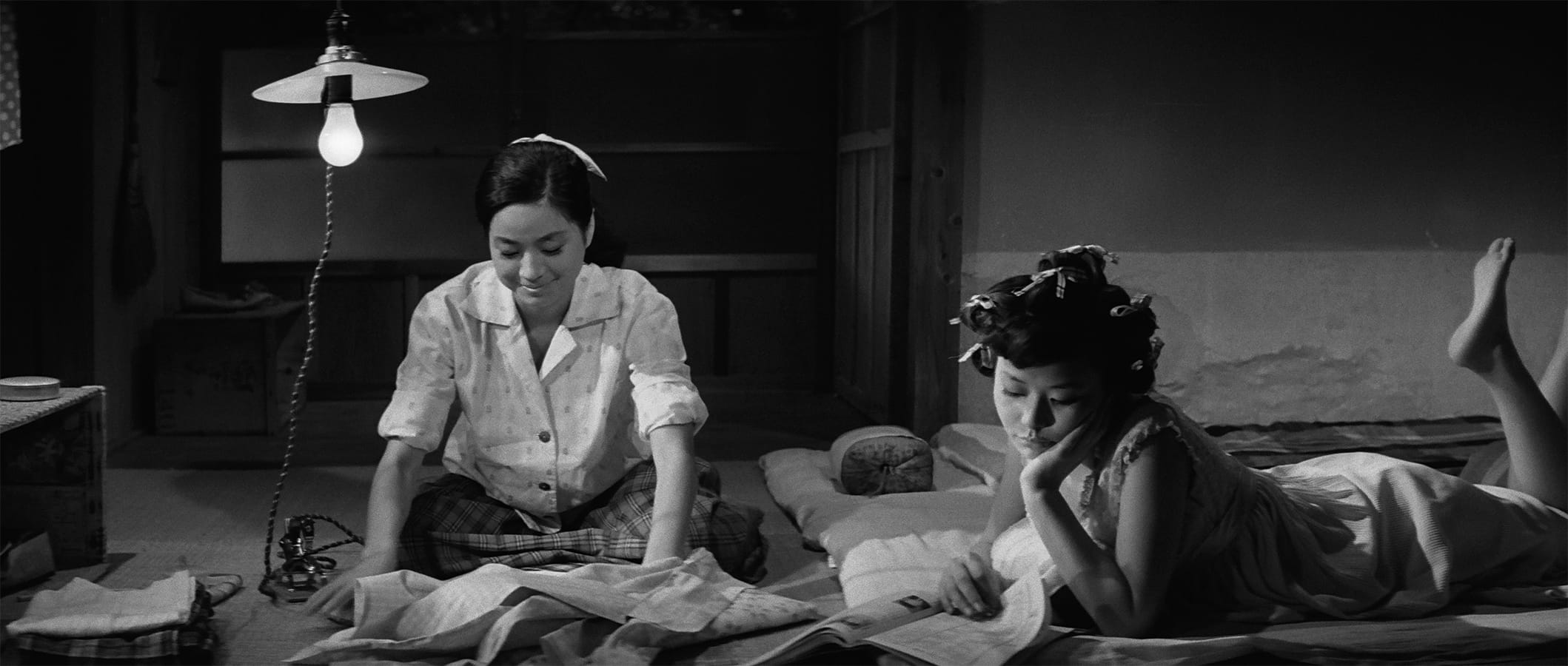
With Girls of the Night, Kinuyo Tanaka reunited with screenwriter Sumie Tanaka to explore Japan’s attempted reformation of former sex workers. The film follows Kuniko (Chisako Hara), who enters a rehabilitation center after the Prostitution Prevention Law prohibits her line of work. But creating a new life proves treacherous—wherever Kuniko goes, the past catches up with her. In once again taking on challenging subject matter, Kinuyo Tanaka paints an empathetic portrait of a fragile community of outcasts.
Girls of the Night was restored in 4K resolution by Toho Co., Ltd. in cooperation with The Japan Foundation. -
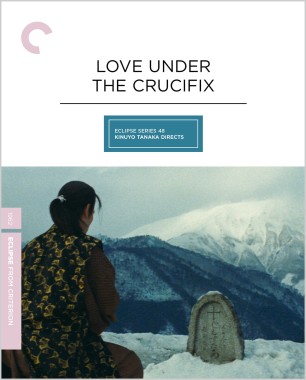 Love Under the Crucifix 1962
Kinuyo Tanaka’s final work as a director is a large-scale, sixteenth-century-set costume drama in the style of the golden age of Japanese cinema. Produced by the independent production company Ninjin Kurabu, Love Under the Crucifix centers on the forbidden romance between Ogin (Ineko Arima), daughter of a famous tea master, and Ukon (Tatsuya Nakadai), a married samurai. The ruling power’s prohibition of Ukon’s Christian faith forces the lovers to fight against the prejudices of an oppressive society while finding their way to mutual devotion.
Love Under the Crucifix was restored in 4K resolution by Shochiku, Co, Ltd. in cooperation with The Japan Foundation.
Special Features
- An essay by critic Imogen Sara Smith
Films In This Set
-
Love Letter 1953
Released a year after the American occupation of Japan ended, Kinuyo Tanaka’s directorial debut explores the professional and personal conflicts of Reikichi (Masayuki Mori), a repatriated veteran who searches for his lost love (Yoshiko Kuga) while translating romantic letters from Japanese women to American GIs. Adapted from a novel by Fumio Niwa, Love Letter depicts with incisive complexity Japanese soldiers struggling to adapt to a changed society, as well as the moral condemnation of Japanese women who became involved with the enemy.
Love Letter was restored in 4K resolution by Kokusai Hoei, Co. Ltd. in cooperation with The Japan Foundation. -
The Moon Has Risen 1955
For her second film, Kinuyo Tanaka directed a script by legendary filmmaker Yasujiro Ozu, one of her mentors. Though informed by Ozu’s singular take on familial relationships, The Moon Has Risen also possesses Tanaka’s lively and elegant comic sensibility in its portrait of a widower (Chishu Ryu) who lives with his three daughters (Hisako Yamane, Yoko Sugi, and Mie Kitahara). Kitahara shines as the spirited youngest sister, whose matchmaking schemes force the family to confront—with amusing bewilderment—Japanese society’s rapidly evolving mores.
The Moon Has Risen was restored in 4K resolution by Nikkatsu Corporation in cooperation with The Japan Foundation. -
Forever a Woman 1955
Generally regarded as Kinuyo Tanaka’s masterpiece, as well as her first personal film, Forever a Woman tells the story of a recent divorcée (Yumeji Tsukioka) who is diagnosed with late-stage breast cancer. In adapting the real-life story of poet Fumiko Nakajo, Tanaka and screenwriter Sumie Tanaka (a longtime collaborator of Mikio Naruse’s, though of no familial relation to Kinuyo) investigate issues of mortality, sexuality, and female independence with a frankness and audacity unprecedented in postwar Japanese cinema.
Forever a Woman was restored in 4K resolution by Nikkatsu Corporation in cooperation with The Japan Foundation. -
The Wandering Princess 1960
Kinuyo Tanaka’s first film in both color and CinemaScope is an epic about a woman caught in the torrents of history. Based on the memoirs of Hiro Saga, The Wandering Princess tells the story of Ryuko (Machiko Kyo), an aristocrat who, at the outset of World War II, enters an arranged marriage with Futetsu (Eiji Funakoshi), the younger brother of a soon-to-be-deposed monarch. With the story of Ryuko’s enmeshment in the Japanese colonization of Manchuria, Tanaka realizes with startling depth her ambition to relate a historical saga from a critical female perspective.
The Wandering Princess was restored in 4K resolution by Kadokawa Corporation in cooperation with The Japan Foundation. -
Girls of the Night 1961
With Girls of the Night, Kinuyo Tanaka reunited with screenwriter Sumie Tanaka to explore Japan’s attempted reformation of former sex workers. The film follows Kuniko (Chisako Hara), who enters a rehabilitation center after the Prostitution Prevention Law prohibits her line of work. But creating a new life proves treacherous—wherever Kuniko goes, the past catches up with her. In once again taking on challenging subject matter, Kinuyo Tanaka paints an empathetic portrait of a fragile community of outcasts.
Girls of the Night was restored in 4K resolution by Toho Co., Ltd. in cooperation with The Japan Foundation. -
Love Under the Crucifix 1962
Kinuyo Tanaka’s final work as a director is a large-scale, sixteenth-century-set costume drama in the style of the golden age of Japanese cinema. Produced by the independent production company Ninjin Kurabu, Love Under the Crucifix centers on the forbidden romance between Ogin (Ineko Arima), daughter of a famous tea master, and Ukon (Tatsuya Nakadai), a married samurai. The ruling power’s prohibition of Ukon’s Christian faith forces the lovers to fight against the prejudices of an oppressive society while finding their way to mutual devotion.
Love Under the Crucifix was restored in 4K resolution by Shochiku, Co, Ltd. in cooperation with The Japan Foundation.
Special Features
- An essay by critic Imogen Sara Smith
Trailer for Eclipse Series 48: Kinuyo Tanaka Directs
Love Letter
The Moon Has Risen
Forever a Woman
The Wandering Princess
Girls of the Night
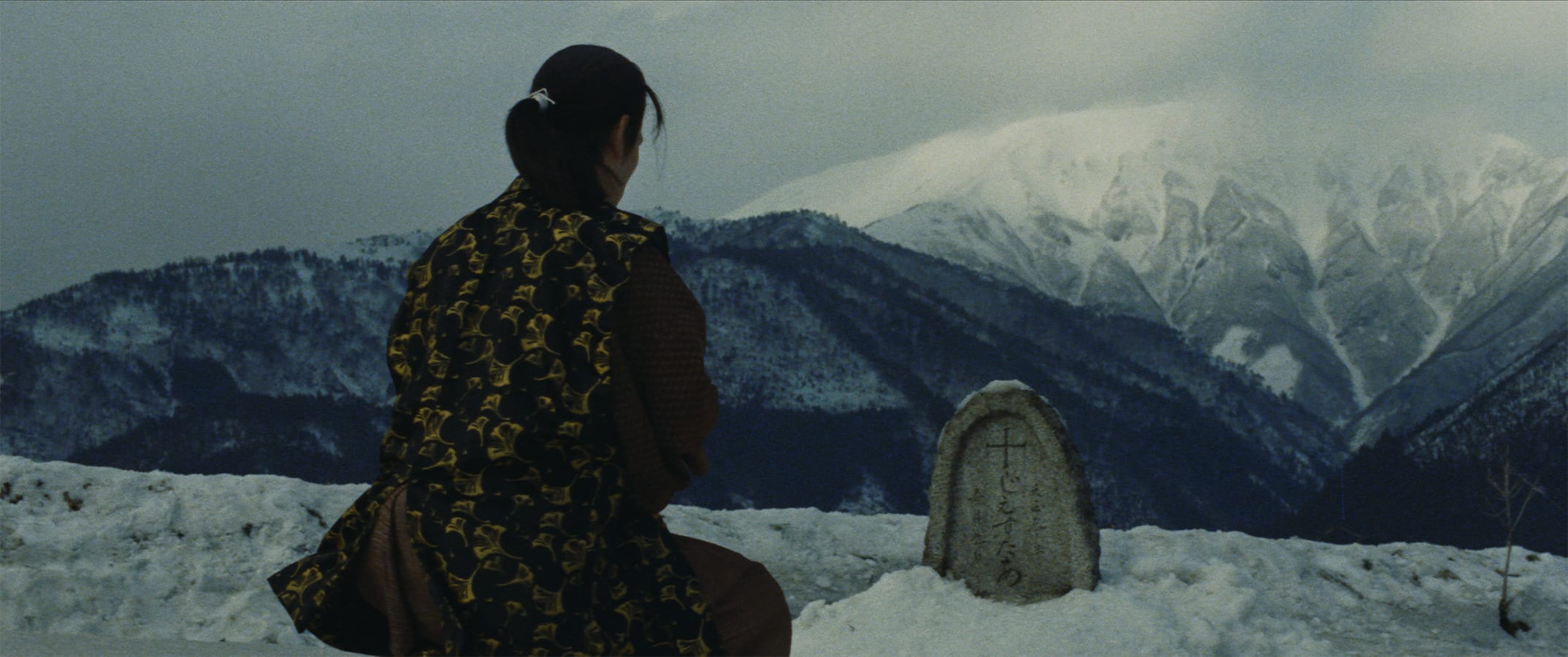
Love Under the Crucifix