Shiguehiko Hasumi Selects
Share
In his video introduction to Shiguehiko Hasumi: Another History of the Movie in America and Japan, a series opening today and running through October 18 at Japan Society in New York, Ryusuke Hamaguchi (Drive My Car, Evil Does Not Exist) says that it was through reading Hasumi’s works of criticism that “I feel like I received a fundamental, essential training in seeing—training that is crucial for a filmmaker, and I have a profound sense of gratitude for that.”
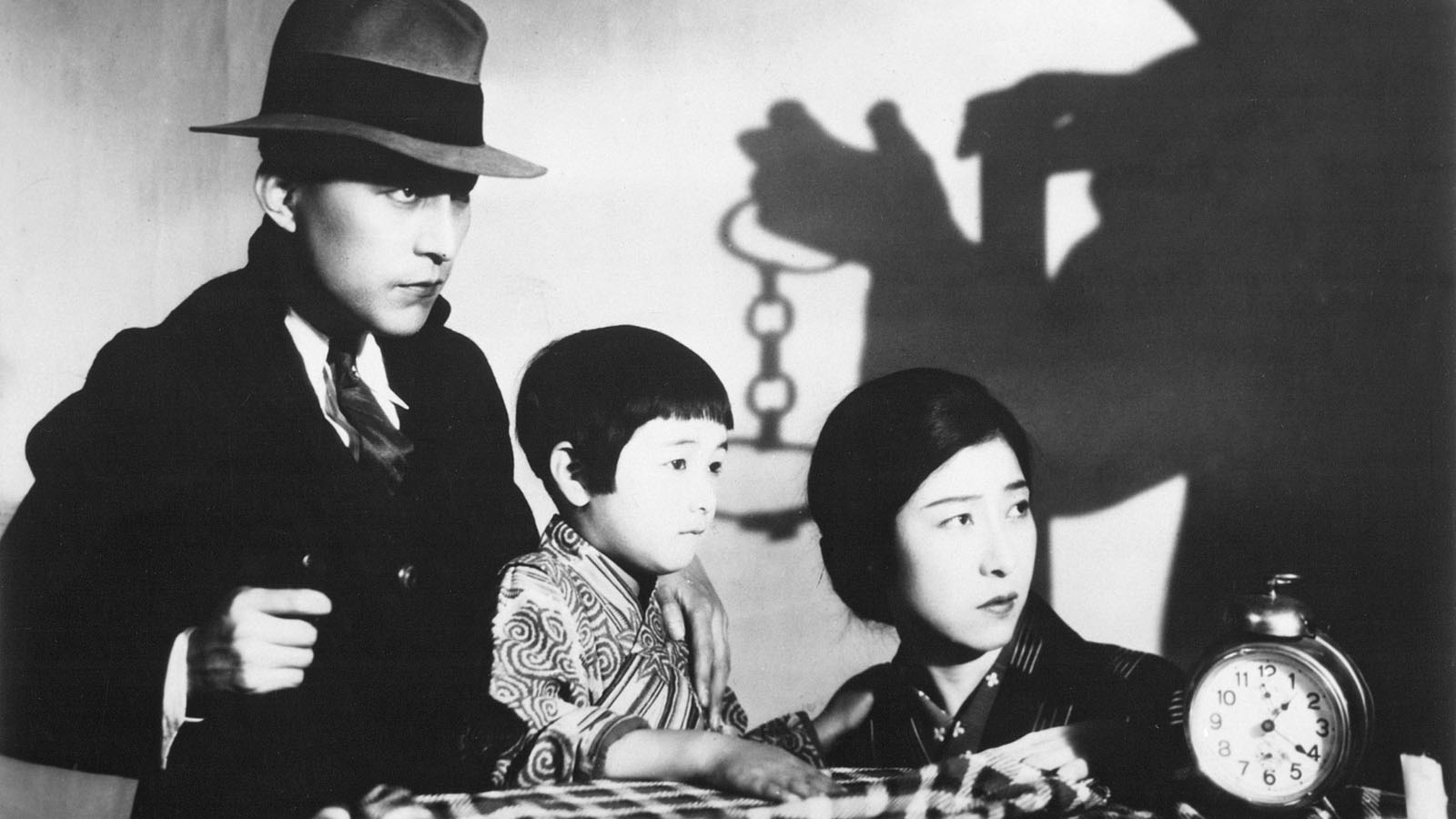
Hamaguchi especially recommends pairing a viewing of Yasujiro Ozu’s That Night’s Wife (1930)—screening Saturday after Hamaguchi’s own Wheel of Fortune and Fantasy (2021)—with a reading of Directed by Yasujiro Ozu, the first of Hasumi’s long-form works to appear in English. First published in Japan in 1983, translated by Ryan Cook, and released last year with an introduction by Aaron Gerow, Directed by Yasujiro Ozu is “one of the most influential Japanese film books ever written,” wrote K. F. Watanabe when he visited Hasumi in Tokyo and interviewed him for Notebook.
“I’d like everyone to forget that Ozu is a Japanese director,” Hasumi told Watanabe. “Of course Ozu was born and raised as a Japanese person, but what he loved most of all was Hollywood films. Truly good auteurs transcend gender and nationality.” Japan Society notes that That Night’s Wife, “Ozu’s penumbral silent, set over the course of a single night, is Hasumi’s favorite for its ‘very Hollywoodian’ properties.”
Having studied French literature at the Sorbonne, Hasumi’s translations of Roland Barthes, Gilles Deleuze, and Michel Foucault played a key role in the introduction of post-structuralist philosophy in Japan. But Hasumi is best known for his film criticism and the classes he taught at the University of Tokyo that drew such students as Kiyoshi Kurosawa and Shinji Aoyama.
“If Hasumi is someone that every critic and film lover should read, it’s for his insights on how a body moves and its implications for a director’s work,” said Moeko Fujii in a conversation with Carlos Valladares that ran last year in Gagosian Quarterly. “Cinema is said to be sculpting in time, and if you don’t consider how the body sculpts in time too, you’re missing this crucial part of cinema. Hasumi, like Vilém Flusser, is just in a league of his own in developing a philosophy of the body in motion. There are these pivotal moments in film where dancing or gesture is the key to understanding how the director operates. And that’s how Directed by Yasujiro Ozu is structured, too, via gerunds as chapter headings—‘Changing Clothes,’ ‘Laughing,’ ‘Eating,’ ‘Holding Still.’ Reading Hasumi is like walking through a museum of gestures.”
Writer and curator Emerson Goo has put together an invaluable collection of links to writing in English both by and about Hasumi. One of them leads to a dossier that ran in the final issue of Lola (November 2016) that includes a piece by Pedro Costa (Colossal Youth): “We could say that Hasumi doesn’t write from a critic’s point of view; he writes from a filmmaker’s point of view. In every text, about whichever film, we really feel that he is speaking from ‘inside’ the film, not from a distance or from the outside. It’s our own, filmmaker’s work he’s doing when he is thinking and writing about a film.”
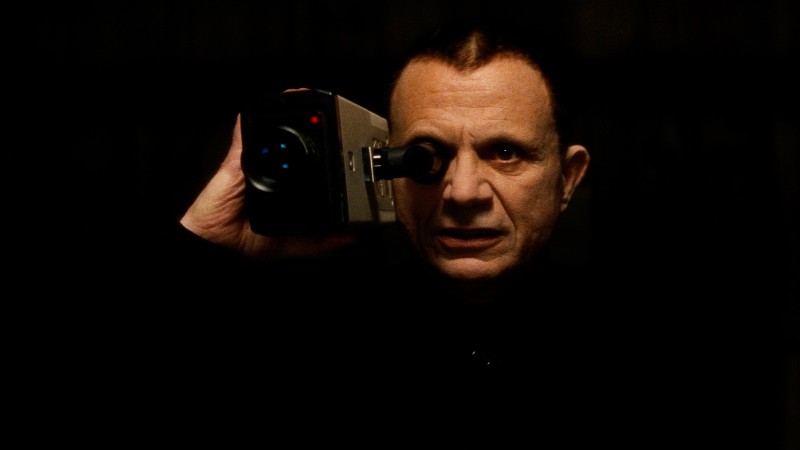
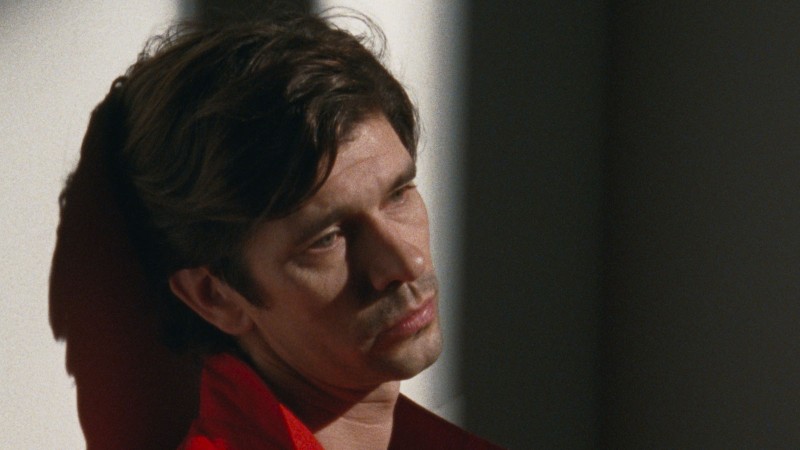
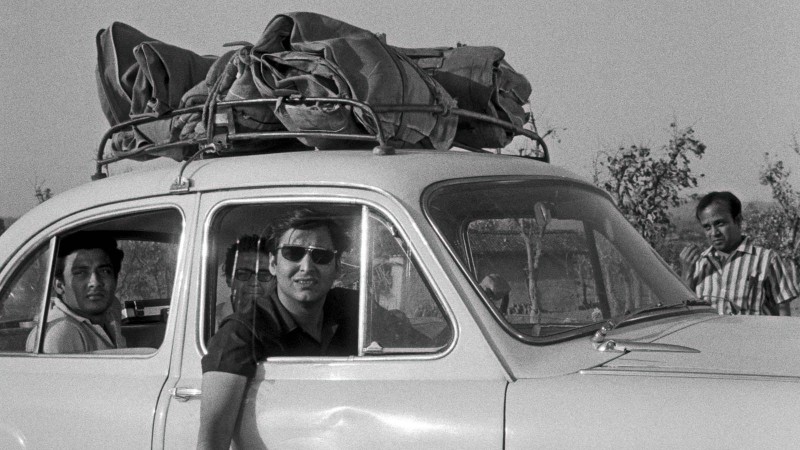
The Japan Society series is curated by Hasumi himself, and it features films by Michael Mann, Seijun Suzuki, Nicholas Ray, Kenji Mizoguchi, Robert Aldrich, and Mikio Naruse. As Ryusuke Hamaguchi emphasizes, a highlight of the program is the free event that wraps the series, beginning with a talk by Sho Miyake, who won the Golden Leopard in Locarno in August for Two Seasons, Two Strangers. The talk will be followed by a pre-recorded lecture and a screening of John Ford and Throwing: Complete Edition (2022), an hourlong study codirected by Hasumi and Miyake.
Don’t miss out on your Daily briefing! Subscribe to the RSS feed.